Digger isn’t the only high-profile original movie stumbling at the box office this season. Watching non-franchise titles struggle can feel alarming, especially when major studios use soft ticket sales to claim that general audiences only care about superhero reboots, animated sequels, and legacy IP.
However, the real issue isn’t a lack of audience appetite for fresh ideas. As breakout original hits like Obsession, Project Hail Mary, and The Backrooms have repeatedly proven over the past year, moviegoers will show up for original cinema. The true crisis lies in studio accounting: Hollywood is greenlighting risky, non-commercial auteur concepts at summer blockbuster price tags.
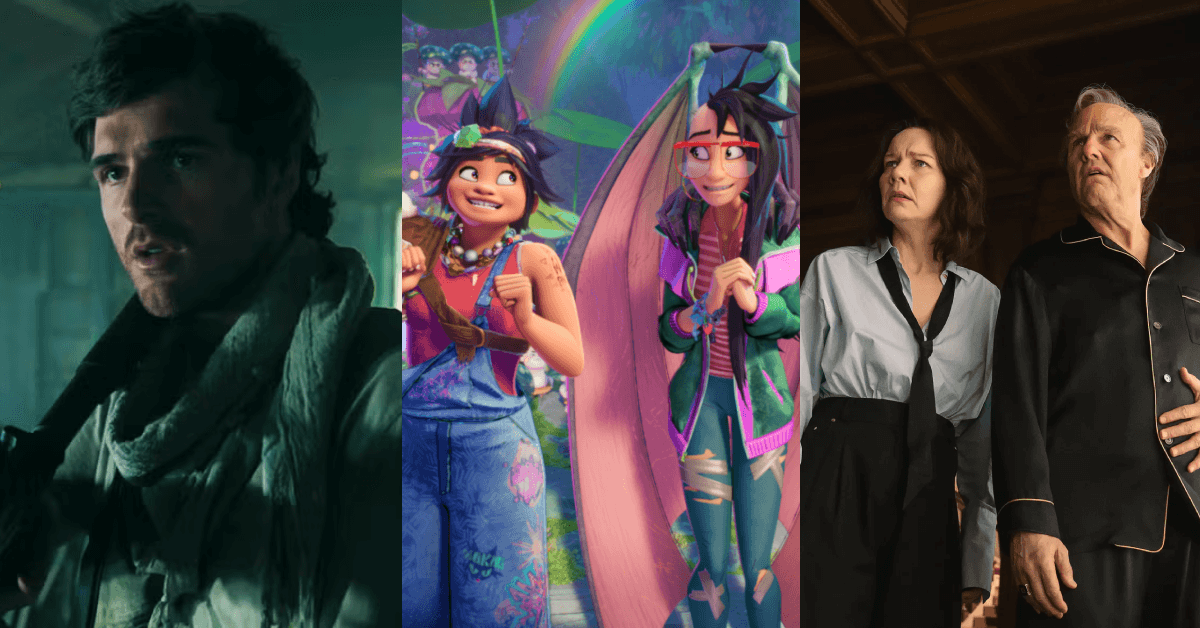
A closer look at recent original theatrical releases—Alejandro G. Iñárritu’s Digger, Ridley Scott’s The Dog Stars, and DreamWorks’ animated feature Forgotten Island—reveals a clear trend. These unique, non-IP projects didn’t fail simply because they lacked a franchise label; they failed because their bloated budgets required massive, four-quadrant Marvel-sized turnouts just to break even.
The $100M+ Auteur Traps (‘Digger’ & ‘The Dog Stars’)
This autumn brought two highly anticipated original films from legendary, Academy Award-winning directors. But instead of producing these distinct visions through lean, controlled models, studios handed them massive tentpole budgets for concepts that were never designed for universal mass appeal.
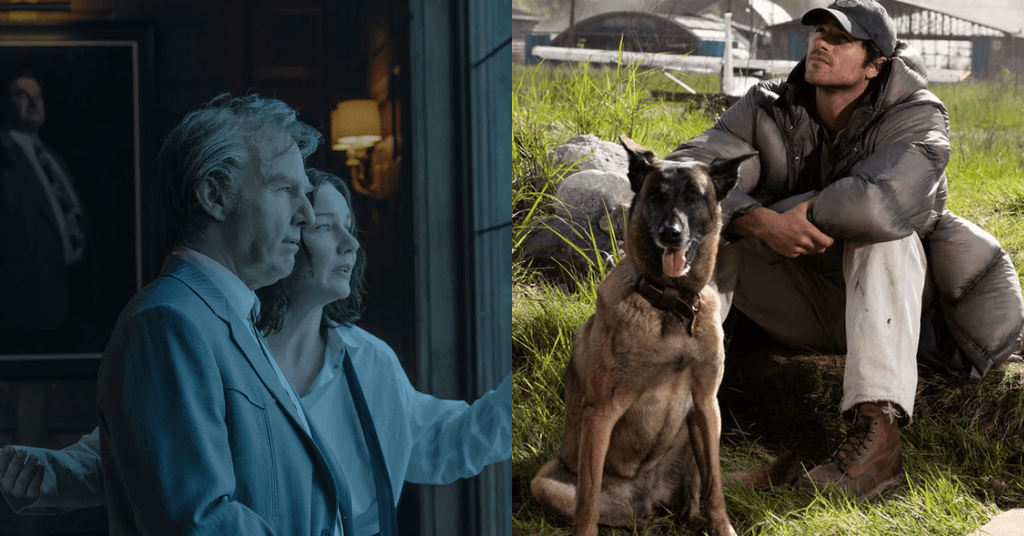
Ridley Scott’s The Dog Stars: The sci-fi survival drama finished its theatrical run at a dismal $39 million worldwide against a $110 million budget. Lukewarm reviews and a bleak, post-apocalyptic tone made it impossible to justify its blockbuster cost.
Alejandro G. Iñárritu’s Digger: Tom Cruise’s dark environmental satire opened to a painful $20 million global weekend against a reported $160M–$180M budget, severely hindered by a polarizing 52% Rotten Tomatoes score. While Cruise noted in a recent interview that he made the film for its long-term cinematic legacy rather than its opening weekend, the studio is left absorbing a massive short-term loss.
The Pattern: Handing blank checks to visionary directors for dark, polarizing, or non-commercial ideas leaves zero financial margin for error when word-of-mouth stays lukewarm.
The Tragic Case of ‘Forgotten Island’
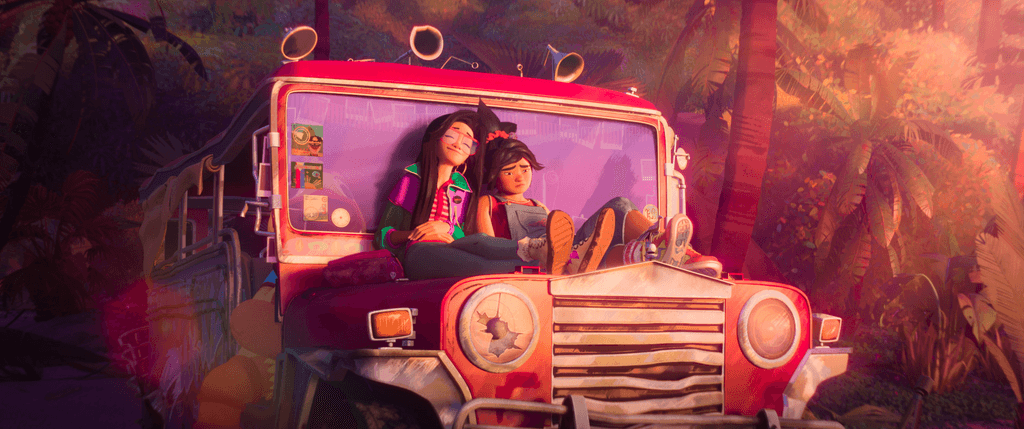
The most heartbreaking example of this budgetary disconnect is DreamWorks’ animated feature Forgotten Island. Unlike Digger or The Dog Stars, this original story earned universal acclaim from both critics and audiences for its stunning visual invention and emotional depth.
Crossing $40 million worldwide is a respectable achievement for a completely new, unbranded animated concept. However, its $80 million production budget (plus global marketing costs) means that even a critically beloved film will struggle to find theatrical profitability. While strong word-of-mouth could give it long-term legs, Forgotten Island illustrates how hard it is for original animation to recover high production costs without a pre-existing brand name.
Tom Cruise Reveals What He Had in Mind When Making Digger as the Movie Flops at the Box Office
The Verdict & What Hollywood Must LearnAbout Original Movies
Original cinema isn’t dead, nor does it need to be put on life support—it simply requires a disciplined fiscal model. Greenlighting a polarizing, $160M+ dark satire like Digger makes no sense at tentpole prices, but that exact same film produced for $30 million to $40 million becomes an acceptable, prestige-driven creative risk.
Capping production costs on original concepts gives directors the freedom to take bold creative swings without needing $250 million at the global box office just to reach breakeven. Hits like Obsession (movie that we recently talked about here)—which cost under $1 million and exploded into a $400M+ global phenomenon—prove beyond a doubt that audiences crave originality. It’s time for Hollywood to stop blaming audiences for ignoring original movies and start budgeting them responsibly.
Do you think Hollywood should keep granting $100M+ budgets to original non-franchise films, or should studios scale back costs to keep original cinema alive? Sound off in the comments below!