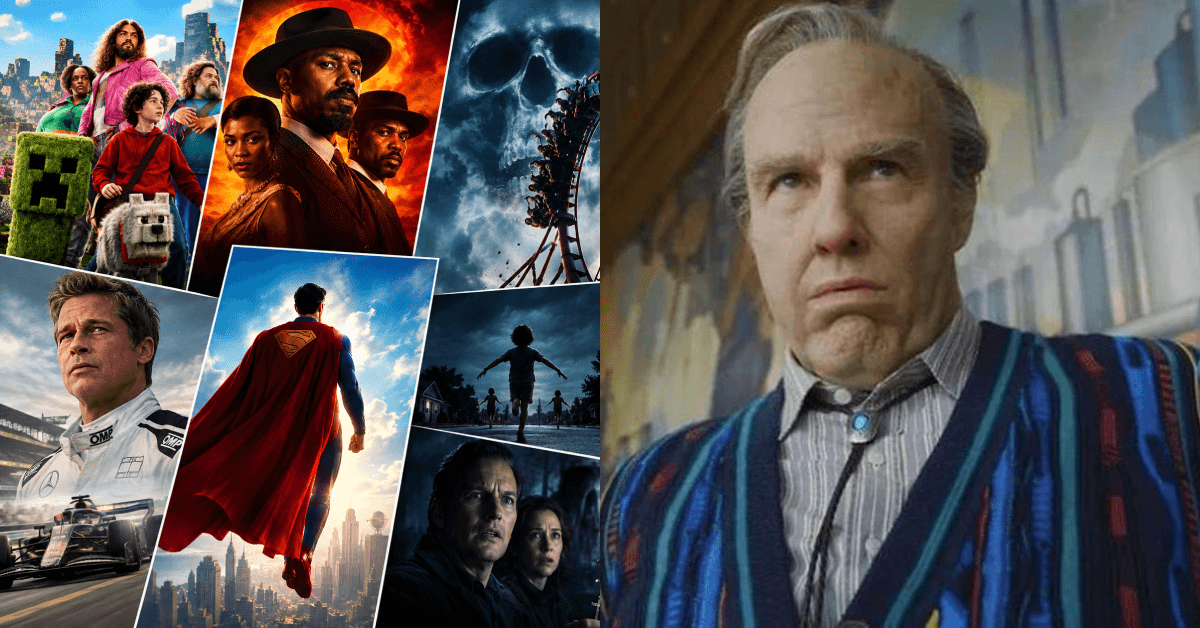
Just twelve months ago, Warner Bros. looked like it had rediscovered the exact blueprint to Hollywood dominance. After years of uneven theatrical results, the studio pulled off one of the most remarkable box-office runs of the modern era. From April through September 2025, Warner Bros. released seven consecutive movies that opened above $40 million domestically—a feat no major studio had accomplished in the post-pandemic era.
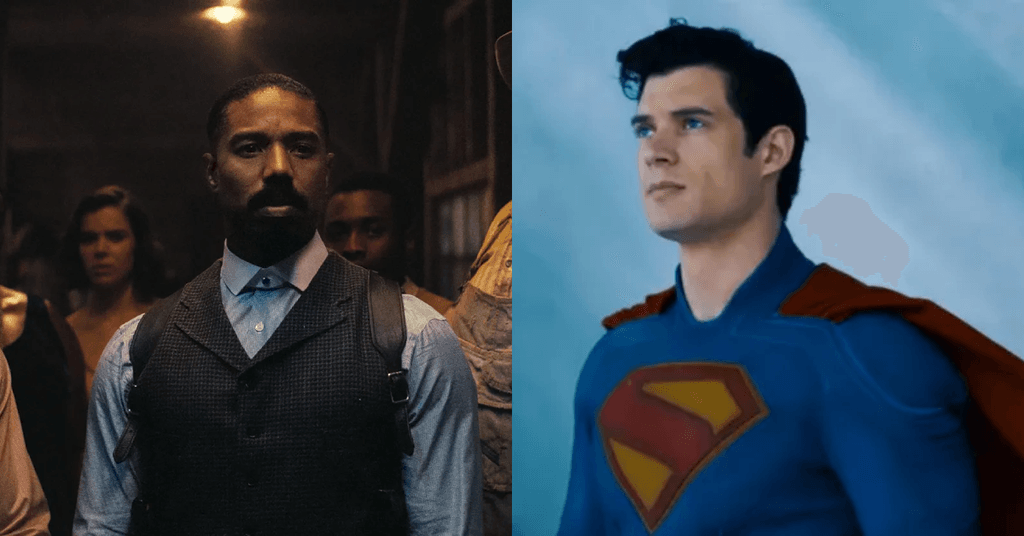
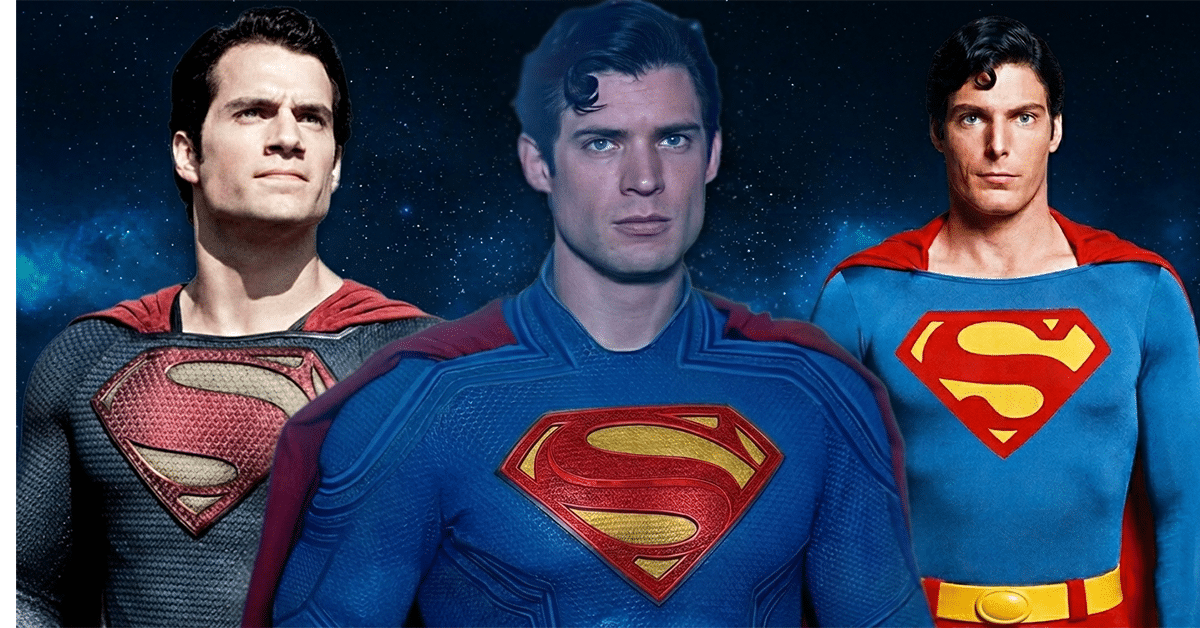
The 2025 streak was an incredible mix of variety: A Minecraft Movie ($163M domestic opening, $950M+ global), Ryan Coogler’s Sinners, Final Destination: Bloodlines, F1: The Movie, James Gunn’s Superman ($125M opening), Weapons ($38M budget turned into a $270M global hit), and The Conjuring: Last Rites ($83M–$84M debut). Warner Bros. Discovery ultimately reported $4.4 billion in global box-office receipts for its Studios business in 2025. It was the kind of year that made a studio look completely invincible.
Flash-forward to October 2026, and the story on the Burbank lot is dramatically different.
The 2026 Misfires and Financial Reality
The studio enters the final quarter of 2026 facing a stark theatrical reversal:
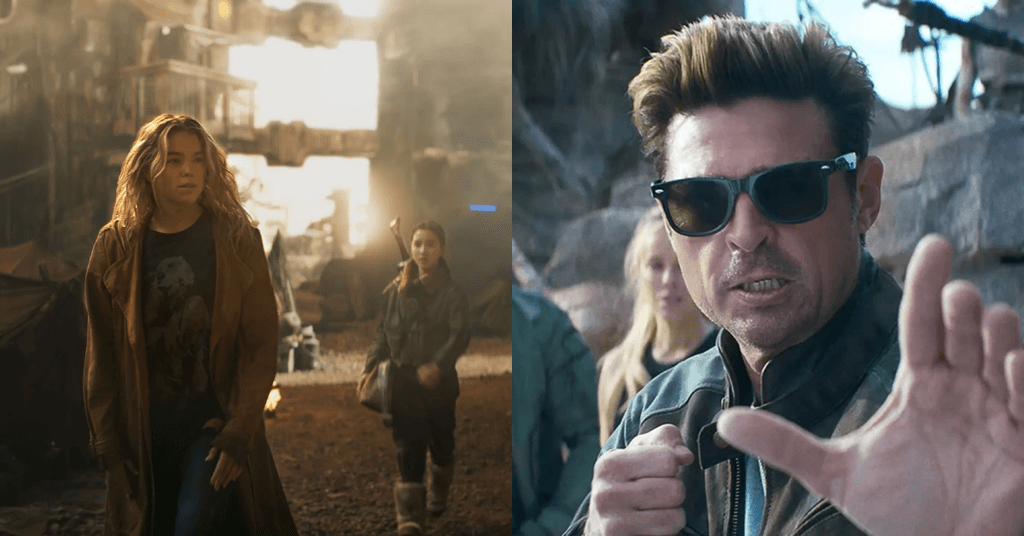
The Bride! Collapse: Opened to a disastrous $7 million domestically, finishing under $24 million worldwide.
They Will Kill You Stumble: Managed under $20 million globally against a $20 million budget.
Mortal Kombat II Miss: Opened at $38.5 million domestically and $130 million worldwide against an $80 million production budget.
Supergirl Disappointment: Despite being one of DC’s flagship summer releases, it opened to just $37.1 million domestically and $126 million worldwide against a $170 million budget—projected to lose over $85 million theatrically.
Warner’s own financial reports highlight the damage: Q2 Studios revenue dropped 39%, while theatrical revenue plunged 46%, with executives specifically citing the weaker performance of the 2026 slate compared to 2025’s massive blockbusters.
And Now Comes ‘Digger’
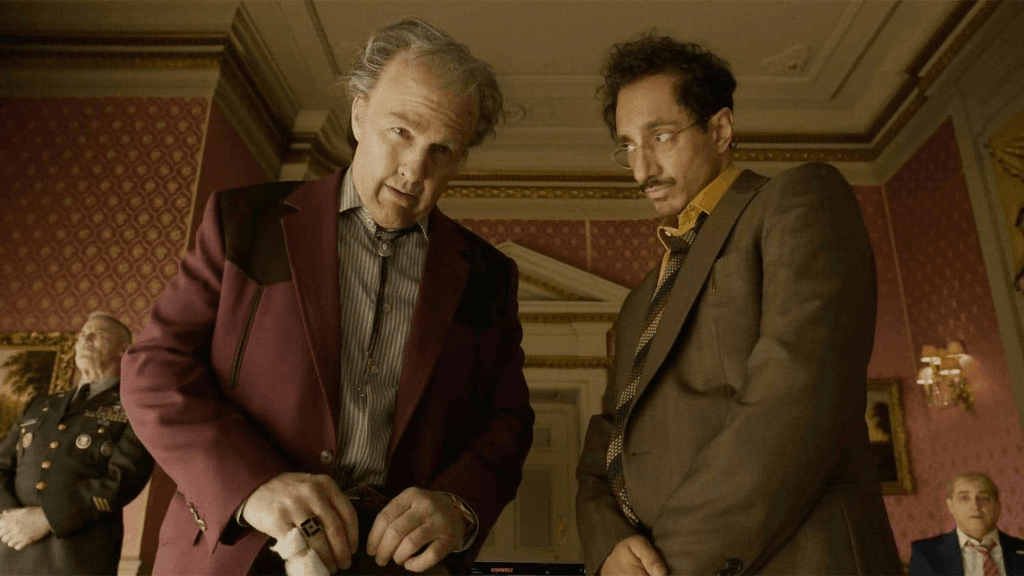
The Tom Cruise and Alejandro González Iñárritu movie arrives in theaters this weekend carrying enormous expectations—and an absurd price tag. Current tracking has the R-rated original comedy opening at a painful $12 million–$15 million domestically, with some estimates dipping even lower. That is a remarkably weak start for a film starring one of the world’s premier action stars and directed by a two-time Best Picture winner.
[Reported Production Budget]: $160M–$180M (After Delays)
[Marketing Spend]:           ~$100M Global P&A
[Theatrical Break-Even]:     $300M–$350M Worldwide
[Projected Debut]:           $12M–$15M Domestic
Warner reportedly greenlit Digger at $125 million, but production sources indicate costs ballooned to between $160 million and $180 million after going over schedule. Paired with a $100 million marketing campaign, the film requires $300 million to $350 million worldwide just to break even. Digger isn’t just another weekend release; it has become the ultimate symbol of WB’s 2026 struggles.
From Iñárritu’s blank check to Cruise’s non-action gamble, here is how the $160M satire stumbled at the multiplex.
The 2025 Formula Wasn’t One Formula at All
The temptation is to look back at 2025 and assume WB had a single magic trick. But the reality is far more interesting: Warner didn’t succeed because every movie was a pre-existing mega-franchise. It succeeded because every slate entry gave audiences a genuine, distinct reason to care.
A Minecraft Movie brought one of gaming’s biggest brands to life.
Sinners combined Ryan Coogler, Michael B. Jordan, and an original concept that drove incredible word-of-mouth.
F1 brought Brad Pitt, Formula 1 spectacle, and Apple Original Films backing to PLF screens.
Weapons proved that a lean $38 million original horror concept could become a global $270 million event.
The common denominator wasn’t simply “IP”—it was intense audience interest. 2026 has exposed what happens when a studio fails to consistently generate that spark. Outside of Wuthering Heights ($242M global against an $80M budget), performance has been undeniably cold.
The Paramount Merger Makes the Timing Critical
These box-office struggles are unfolding at a historic juncture for Warner Bros. Discovery. Paramount Skydance’s acquisition of WBD has officially cleared its final legal hurdle, with a federal judge approving the settlement with 12 state attorneys general and the WGA settling its litigation. The deal—valuing WBD at $81 billion in equity value and $110 billion in enterprise value including debt—is set to close on October 6, 2026.
Incoming leadership, with David Ellison as CEO and former Mattel CEO Ynon Kreiz as Co-CEO, will inherit this exact business environment. While the new team won’t overhaul day-to-day strategy overnight, WB’s 2026 performance provides immediate material for a full-scale audit of production budgets, talent deals, and release strategies.
The lesson from the last two years isn’t that Warner Bros. should abandon auteur-driven, original filmmaking. It is that expensive movies need a clear path to a massive audience. A $38 million risk like Weapons can thrive on mid-tier numbers, but an R-rated $180 million satire sitting at a divisive 51% on Rotten Tomatoes leaves zero safety net.
2025 proved that Warner Bros. can build unstoppable cinematic momentum. 2026 has shown how fast that momentum can vanish. Now, with Digger entering theaters and Denis Villeneuve’s Dune: Part Three waiting in December, the incoming Paramount-Warner leadership has very little room left for another major misfire.
Do you think the incoming Paramount-Skydance leadership can restore Warner Bros.’ 2025 box office magic? Or was 2025 an anomaly that will be hard to replicate? Share your thoughts in the comments below!