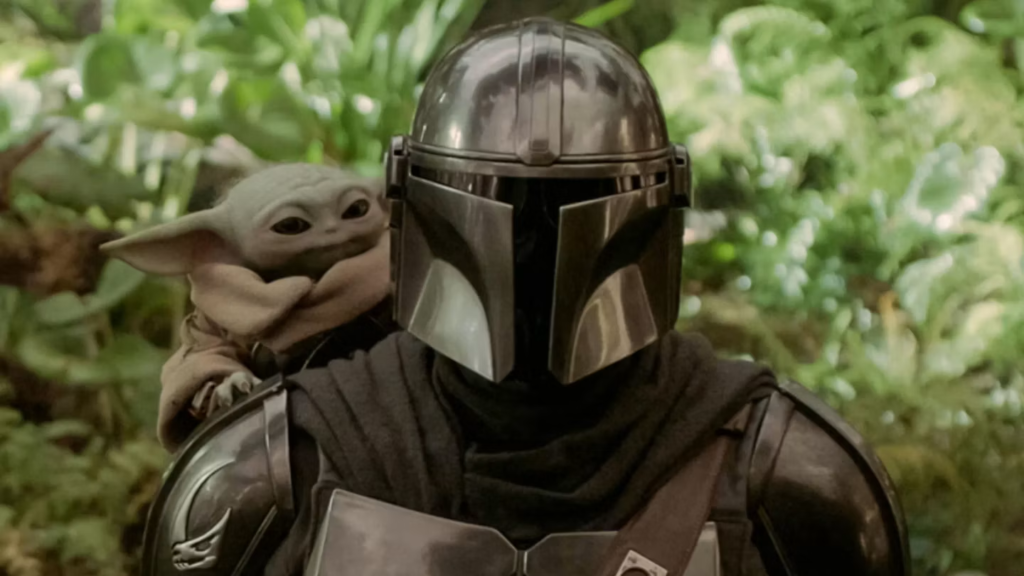
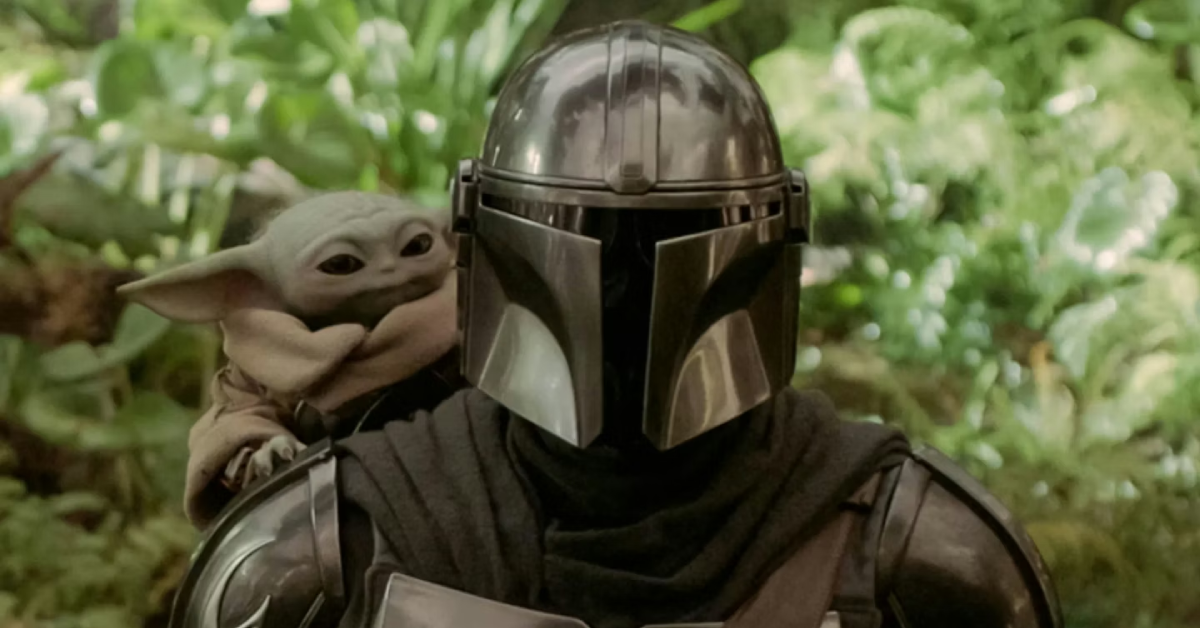
Over the historic weekend of May 29, 2026, the traditional Hollywood studio power structure cracked down the middle. While Disney’s The Mandalorian and Grogu suffered a steep 69% second-weekend drop, two micro-budget horror films directed by internet-native creators completely set the global box office on fire.
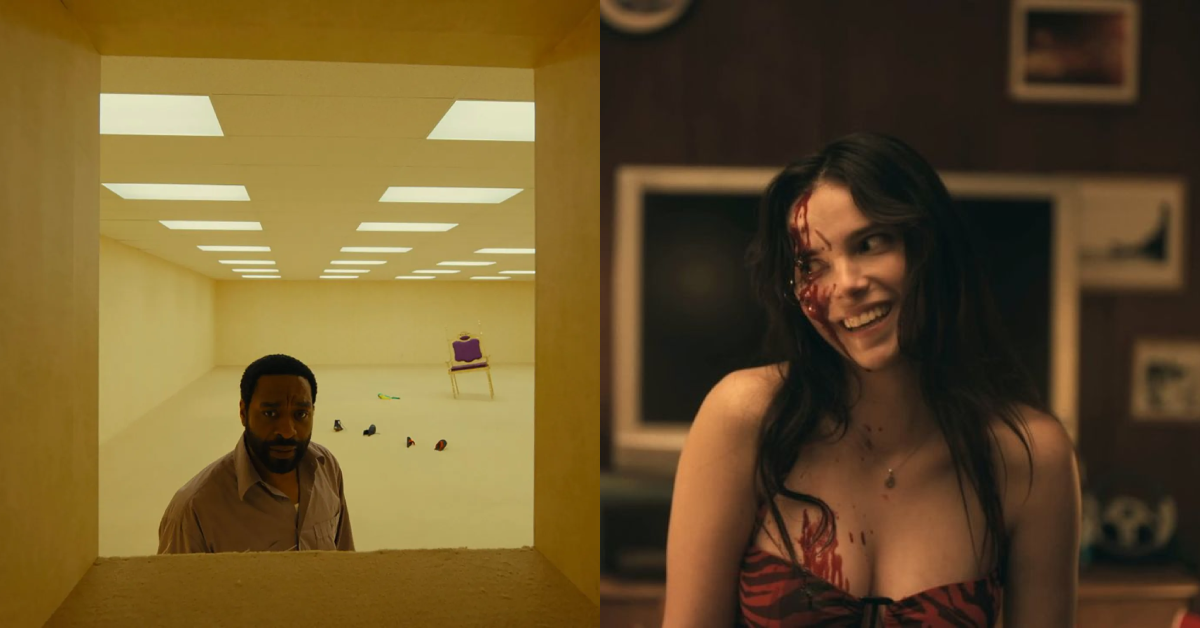
Kane Parsons’ Backrooms pulled in a historic, record-shattering $81.5 million domestic opening weekend for A24, making him the youngest director in history to secure a global number one film. Meanwhile, Curry Barker’s psychological phenomenon Obsession crossed a staggering $148 million worldwide, tracking toward a $250 million total haul on a shoestring $750,000 production budget.
The major Hollywood trades are calling this an unprecedented Gen-Z horror boom. But as a director looking at the mechanics behind the curtain, this isn’t just a passing trend—this is the total, permanent democratization of the cinematic craft. For years, major studios have bet exclusively on known IP, bloated franchises, and massive budgets. In 2026, Hollywood received a massive wake-up call: the new generation of filmgoers is actively searching for original concepts born from the digital spaces they inhabit every day.
The Flicksnpop Analysis: Inside the New Takeover
1. The Death of the Traditional Gatekeeper
For a century, becoming a studio-sanctioned feature director required a highly specific, gatekept path: an expensive film school degree, years of unpaid networking, and decades of climbing the assistant ladder. Kane Parsons shattered that template. He began making his original The Backrooms shorts on his YouTube channel using free 3D animation software Blender when he was just a teenager. He didn’t ask a studio executive for permission; he mastered spatial tension and gathered a loyal audience of millions from his bedroom.
When A24 handed him a scaled-up $10 million budget, Parsons didn’t try to direct like a legacy filmmaker. He maintained his internet-native visual grammar, anchoring the eerie, yellow-hued labyrinth with powerhouse dramatic performances from Chiwetel Ejiofor and Renate Reinsve. By ignoring Hollywood’s traditional rulebook, he proved that mastery of digital assets can outshine classical production pipelines.
2. Concept and Atmosphere Over Star Power
Look at the economics of Curry Barker’s Obsession. Focus Features broke film festival records by buying the film out of Toronto for $14 million, and it has already returned their investment tenfold, becoming the highest-grossing title in the distributor’s history.
Following his viral YouTube micro-budget success Milk and Serial, Barker crafted Obsession as a dark, twisted take on modern dating anxieties using a supernatural “One Wish Willow.” Starring Inde Navarrette in a terrifyingly physical, double-natured performance, the film relies entirely on atmospheric dread, social awkwardness, and visceral tension rather than expensive stars or green-screen spectacles. It proves that audiences are starving for pure, concept-driven narratives that tap into the collective cultural subconscious.
The Generational Shift: Star Wars vs. The Manosphere
The steep drop of The Mandalorian and Groguhighlights a deeper cultural reality: Gen-Z and younger Millennial audiences are no longer automatically impressed by legacy brands like Star Wars. While George Lucas’s universe changed cinema forever forty-nine years ago, the modern streaming-to-theater pipeline has diluted its mythic status.
New audiences are looking for content that speaks to their contemporary realities. Obsession succeeds because it takes the terrifying, hyper-fixated language of modern online culture and holds a troubling mirror up to current dating fears. It feels immediate, urgent, and recognizable. The fact that younger crowds are choosing independent horror over multi-million-dollar space battles is a sign that the cinematic landscape has fundamentally evolved.
Conclusion: A Blueprint for the Future
This box office revolution is bound to stir things up across the industry. With Focus Features already fast-tracking Curry Barker’s next horror project, Anything But Ghosts, alongside Blumhouse and Atomic Monster, major studios are realizing they need to stop over-allocating funds to bloated blockbusters. Betting on modest budgets with fresh, internet-fluent directors yields much higher returns.
While superhero movies and legacy franchises will always have a place in the exhibition ecosystem, the triumph of Backrooms and Obsession proves that variety, conceptual originality, and grassroots word-of-mouth are the true future of movie theaters. The era of the Blender auteur has officially arrived, and cinema is much more exciting for it.
What do you think about the new generation of directors coming from YouTube? Let us know your thoughts in the comments!