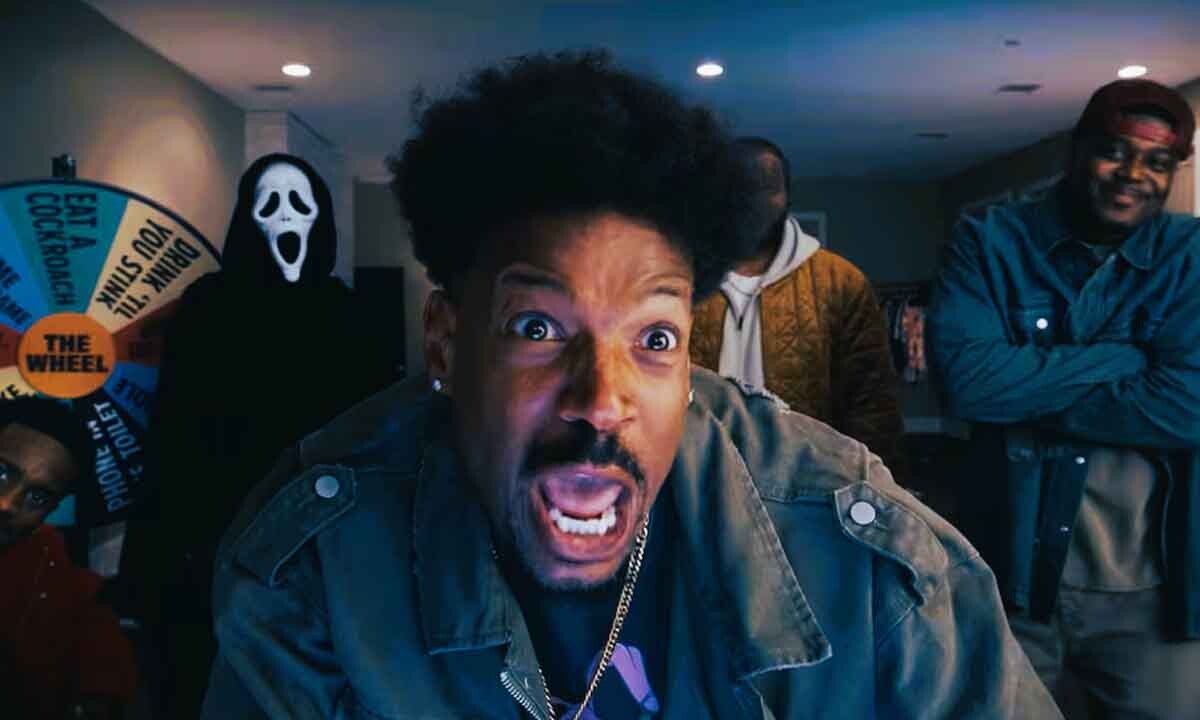
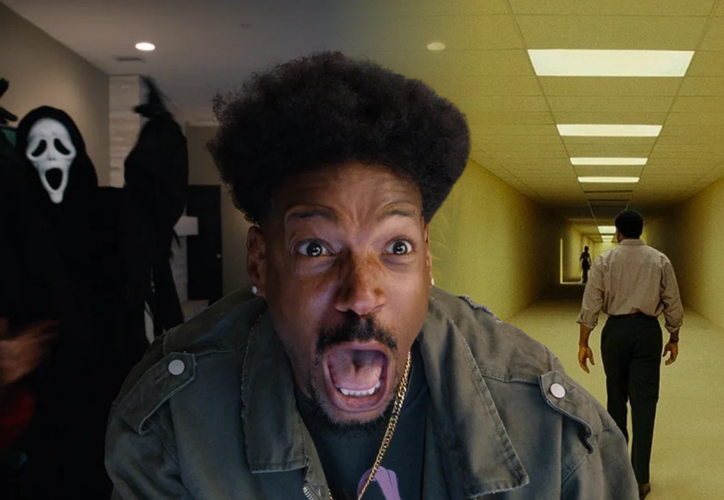
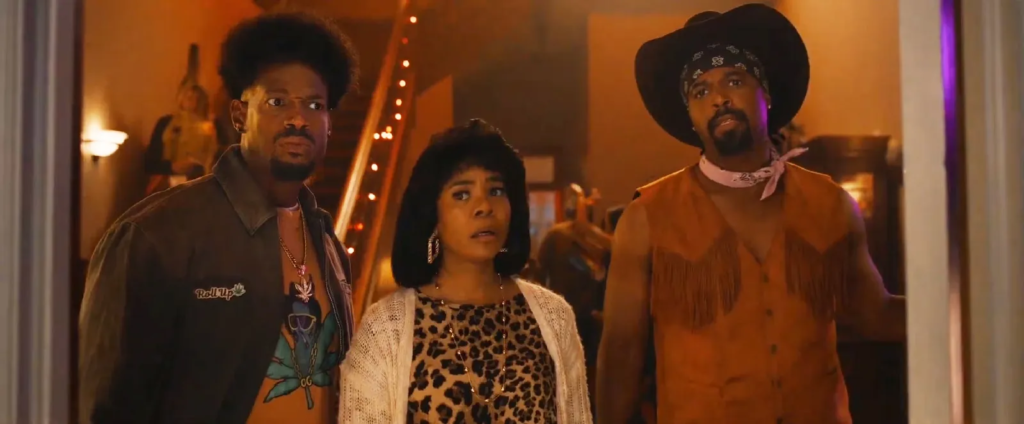
This weekend, Paramount and Miramax are betting big on theatrical nostalgia by dropping Scary Movie 6 (colloquially titled simply Scary Movie). The “rebooquel” reunites the legendary Wayans brothers—Marlon, Shawn, and Keenen Ivory—alongside franchise icons Anna Faris and Regina Hall for a projected $45 million to $55 million domestic opening explosion.
Industry analysts are calling this highly anticipated tracking performance a desperate, much-needed rescue mission for the seemingly dying R-rated theatrical comedy. But if you look closely at the box office charts over the last few years, comedy didn’t actually die—it just wore a mask. It disguised itself as horror.
Even when horror and comedy seem to occupy opposite sides of the cinematic landscape, they are sister genres sharing an immense amount of DNA. Historically, both are routinely dismissed by high-brow critics, both comfortably inhabit the lower-to-mid-budget spectrum, and both remain the industry’s most reliable crowd-pleasers. More importantly, they are two of the most technically difficult genres to execute properly. Engineering a genuine jump scare or making a cynical audience laugh out loud requires absolute mathematical precision.
The Filmmaker’s Insight: The Mechanics of the Involuntary Reflex
1. The Shared Skeleton of Tension
As a director, you quickly learn that standard drama is largely intellectual, requiring the audience to contemplate themes and character motivations. Conversely, horror and comedy are purely mechanical, physiological triggers designed to bypass the brain. They share the exact same structural skeleton: Setup, Tension, and Release.
A great joke relies entirely on narrative misdirection and a sudden punchline to surprise the brain into an involuntary laugh. A classic jump scare relies on specific anamorphic framing, careful editorial pacing, and a dynamic sound design shift to surprise the nervous system into an involuntary scream.
They are fundamental bedfellows because both demand a communal, packed theater experience to function perfectly. Laughter and terror are highly contagious social behaviors; neither genre reaches its full potential when watched alone on a laptop screen.
2. Why the New Guard Mastered Both Seamlessly
Look no further than the massive, historic box office numbers behind Curry Barker’s Obsession and Kane Parsons’ Backrooms over the past few weeks and how they are changing the game. Before pivoting into psychological feature horror, Barker spent years honing his storytelling, framing, and pacing mechanics by creating viral sketch comedy videos on YouTube.
This crossover isn’t an anomaly—it’s the blueprint. Jordan Peele famously transitioned from an Emmy-winning sketch comedy icon into an Oscar-winning horror auteur with Get Out. The transition is seamless because the technical disciplines are identical. If a creator knows exactly how to manipulate a room full of people to laugh at a specific frame or a sudden cut, they already possess the precise spatial timing required to terrify them.
Why the Return of the Wayans Family Matters in 2026
Despite Scary Movie 6 launching to alukewarm 34% critical score on Rotten Tomatoes, the film’s projected box office numbers are an absolute triumph for the comedy landscape. To put its $50 million tracking in perspective, a debut of that size places it neck-and-neck with high-profile, multi-million-dollar superhero blockbusters like DC’s upcoming Supergirl.
For years, Hollywood executives have been visibly afraid to finance raw, unapologetic comedic features due to an era dominated by hyper-sensitivity and studio risk-aversion. Marlon Wayans openly countered this trend ahead of the premiere, explicitly stating that the film’s creative goal was to confidently “cancel cancel culture.”
The audience’s massive, walk-up heavy demand proves there is an intense hunger for unfiltered, transgressive humor. Furthermore, the timing of the release couldn’t be more perfect. Following the immense cultural saturation of high-concept, atmospheric horror like Longlegs, M3GAN, and A24’s Backrooms, filmgoers are actively looking for an outlet to laugh at the very tropes that have kept them awake at night.
Conclusion: The Mask is Off
While Scary Movie 6 might skewer recent cinematic targets with its classic, rat-a-tat spoof formula, its box office victory serves a much larger purpose. It forces the industry to recognize that comedy never lost its commercial viability—it was simply operating under a different genre label. Whether an audience is gripping their armrests in terror or dropping their popcorn in laughter, they are chasing the exact same cinematic high. By blending the mechanics of both worlds, the Wayans family hasn’t just resurrected a beloved franchise; they’ve reminded Hollywood exactly how to make going to the movies fun again.
Are you a fan of the Scary Movie franchise? Are you planning to watch the sixth film?