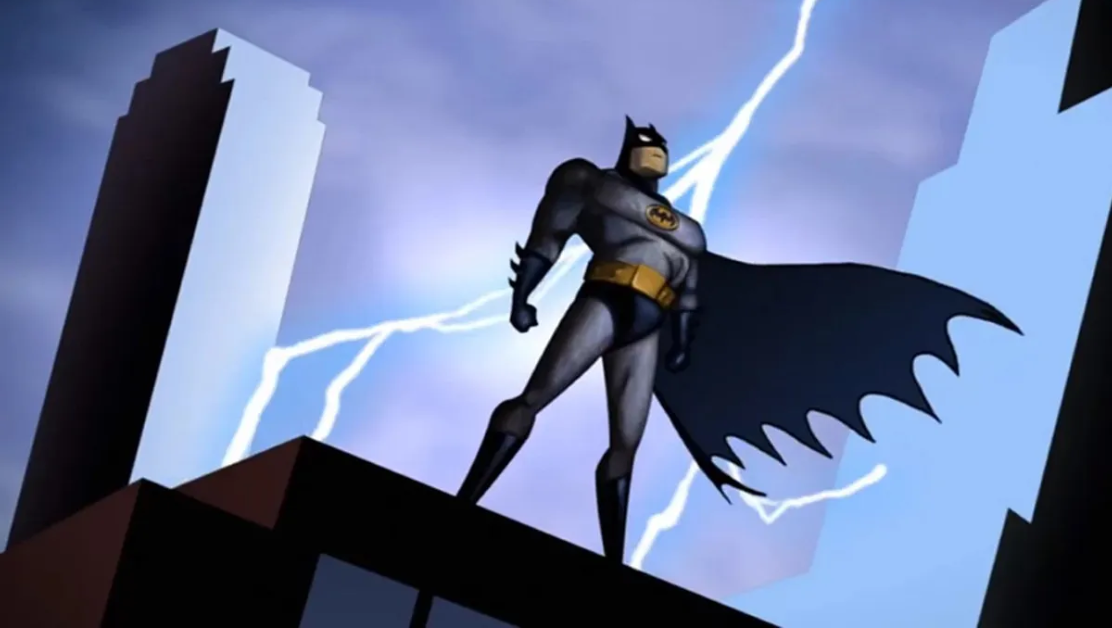
For anyone who grew up in the late ’80s or ’90s, Batman: The Animated Series wasn’t just another cartoon — it was formative. Airing in the early ’90s, BTAS became one of those rare shows that defined an entire generation’s understanding of a character. Even decades later, it remains one of the most respected and influential adaptations of Batman ever put on screen.
What made Batman: The Animated Series so special is that it never felt like a kids’ show, even though it aired in a children’s time slot. It understood Batman on a fundamental level and treated its audience with respect, trusting viewers — young and old — to engage with complex themes, moral ambiguity, and emotional depth.
A Cartoon That Never Talked Down to Its Audience
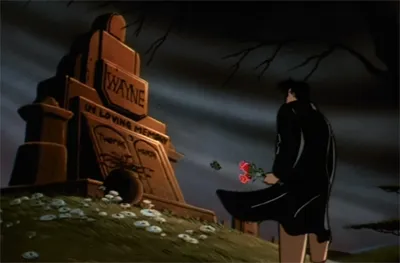
Based on DC Comics’ Batman and his extensive rogues’ gallery, BTAS stood out because of its storytelling maturity. The series dealt openly with themes such as grief, trauma, obsession, mental illness, corruption, identity, and loss — subjects that were almost unheard of in animated television aimed at children at the time.
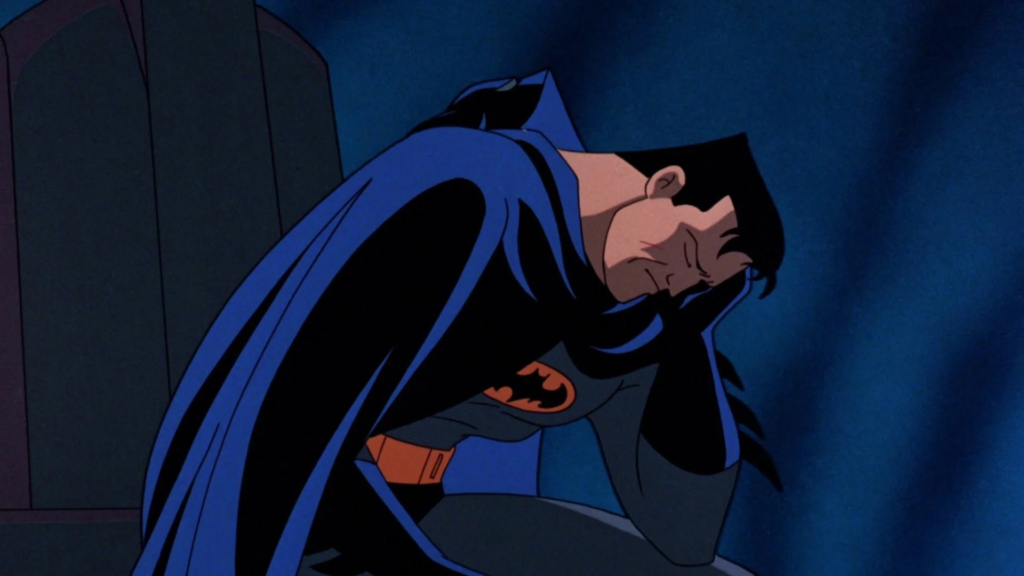
Rather than relying on slapstick humor or simple good-vs-evil narratives, the show embraced noir-inspired storytelling. Episodes often ended on bittersweet or unresolved notes, allowing sadness and moral uncertainty to exist without a neat reset button. That emotional honesty helped the show resonate not only with kids, but also with adults — many of whom watched it alongside their children.
A Defining Tone for Batman
One of BTAS’s greatest achievements was perfectly defining Batman’s tone — something that even many live-action films have struggled to do. The show struck a rare balance: dark but not grim, serious but not joyless, stylish without being goofy, and grounded without losing its mythic quality.
This balance became the blueprint for Batman across all media. Modern films, comics, and video games — especially the Arkham series — still borrow heavily from BTAS’s emotional and narrative DNA. It didn’t just influence Batman adaptations; it set the standard.
Iconic Visual Style Ahead of Its Time
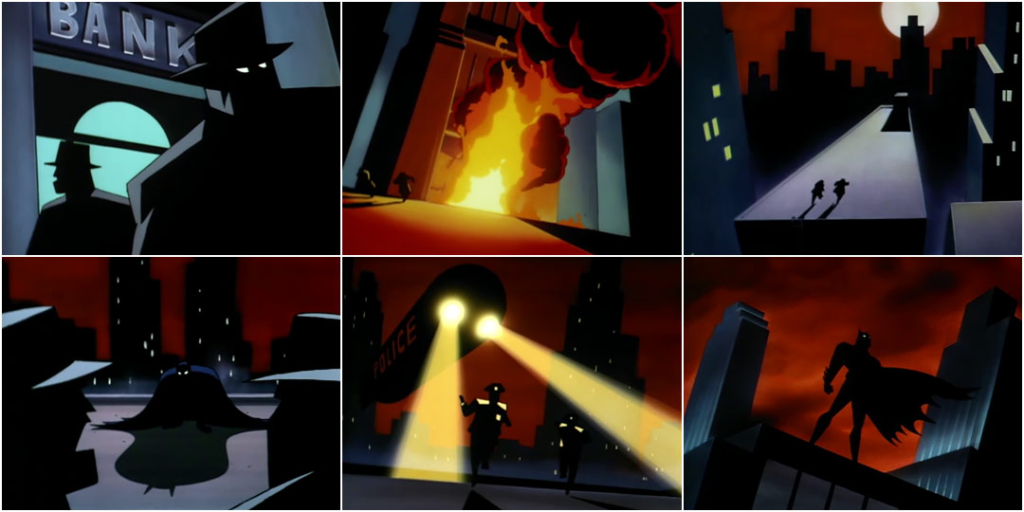
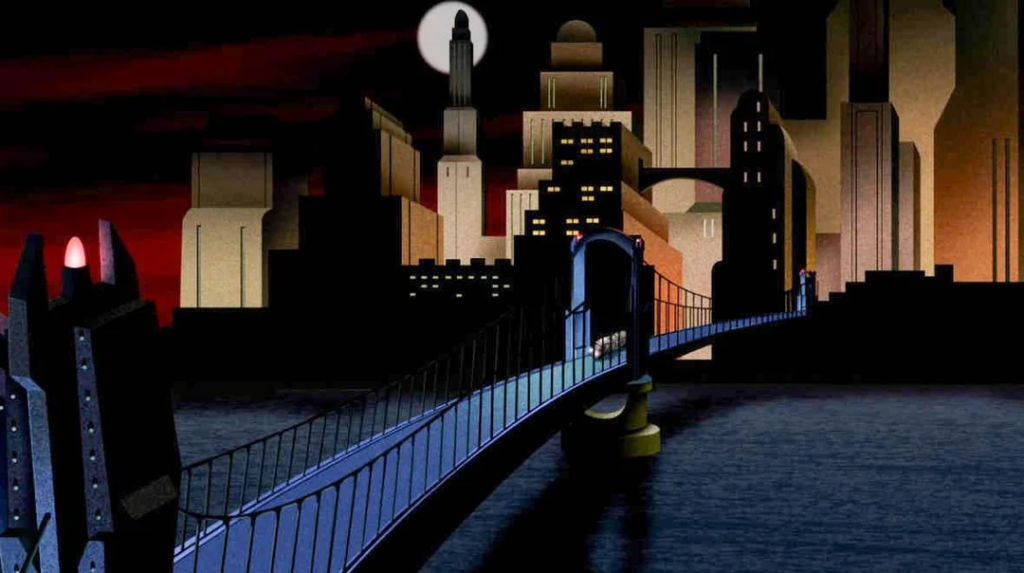
Visually, Batman: The Animated Series was revolutionary. Its art direction combined art deco, noir, and retro-futurism, creating a Gotham City that felt timeless rather than locked into a specific era. The city itself became a character — looming, oppressive, and unforgettable.
The production team famously painted on black paper instead of white to force heavy shadows and contrast, a technique almost unheard of in television animation at the time. This commitment to atmosphere gave the show a cinematic look that still holds up decades later and continues to be studied in animation circles.
The Best Treatment of Batman’s Villains
Another key reason BTAS endures is how it redefined Batman’s villains. Rather than one-note antagonists, the show portrayed them as fully realized, three-dimensional characters with understandable motivations and tragic backstories.
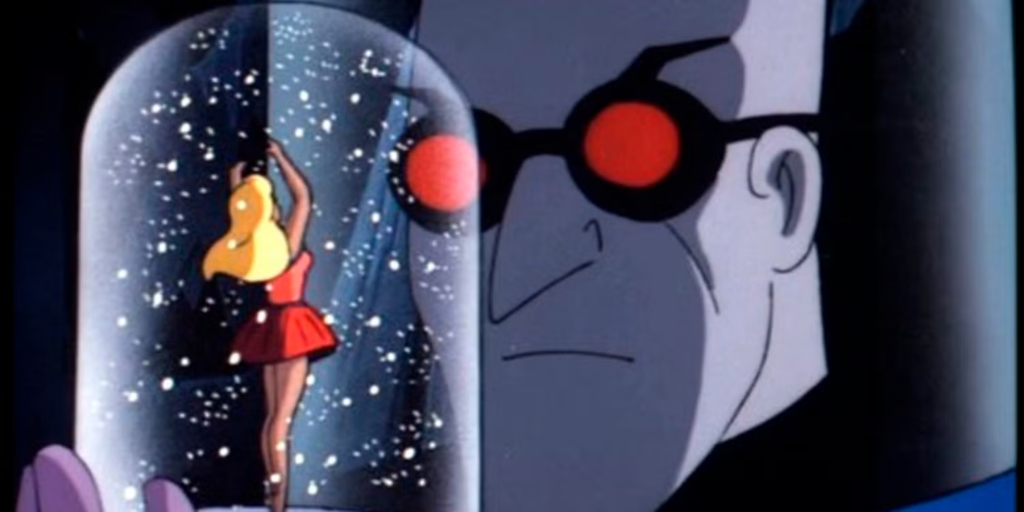
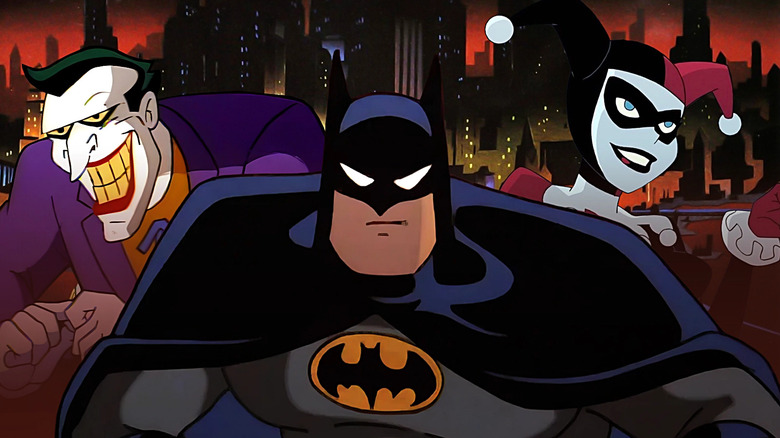
The series famously created Harley Quinn, a character who became so popular she was later integrated into the comics and eventually the big screen. It also transformed Mr. Freeze from a joke villain into a tragic figure in the iconic episode “Heart of Ice”, an episode still considered one of the best pieces of superhero storytelling ever made.
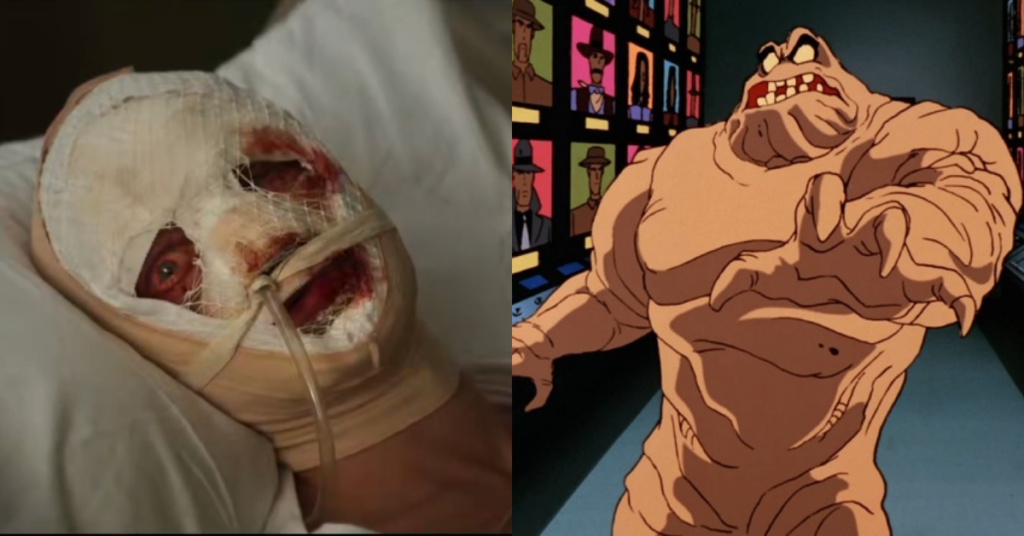
Villains like Two-Face, Clayface, and the Mad Hatter were humanized, their descent into villainy portrayed with empathy rather than mockery. It’s no coincidence that upcoming Batman projects — including rumored takes on Clayface — continue to draw heavily from BTAS’s interpretations.
Legendary Voice Performances
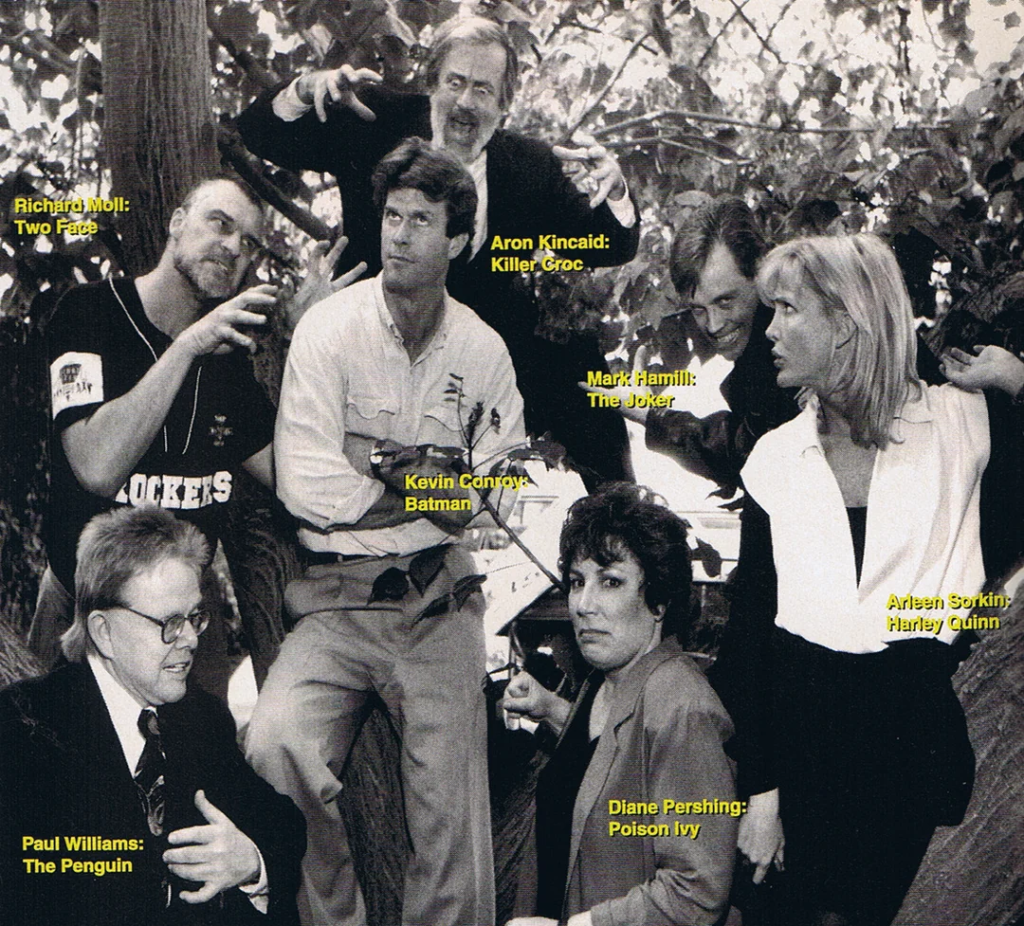
No discussion of Batman: The Animated Series is complete without mentioning its voice cast. Kevin Conroy became the definitive voice of Batman, portraying both Bruce Wayne and the Dark Knight with subtlety and emotional weight. His performance defined the character for generations.
Opposite him, Mark Hamill’s Joker became instantly iconic — unpredictable, terrifying, and darkly humorous. Together, Conroy and Hamill created one of the most enduring hero-villain dynamics in pop culture history, returning to their roles across films, games, and series for decades.
Perfect Storytelling in 22 Minutes
One of the most impressive aspects of BTAS is its ability to deliver complete, emotionally resonant stories in just 22 minutes. Most episodes functioned as standalone narratives, yet consistently landed powerful thematic and emotional punches.
Episodes like “Heart of Ice,” “Almost Got ’Im,” “Perchance to Dream,” and “Robin’s Reckoning” are still analyzed today in writing and animation courses. They prove that strong writing, clear themes, and emotional depth matter far more than runtime.
Why Batman: The Animated Series Still Matters
Batman: The Animated Series understood something fundamental about the character: Batman doesn’t win by fixing Gotham — he wins by enduring it. The show allowed pain, loss, and moral complexity to exist without easy solutions.
It didn’t just adapt Batman — it understood him.
The Living Legacy: Reimagining Gotham’s Tragedies for 2026
The ultimate testament to the show’s enduring relevance isn’t just nostalgia—it’s how it actively shapes modern cinema. Look no further than DC Studios’ upcoming body horror film, Clayface, slated for October 2026. In original comic lore, Matt Hagen was simply a treasure hunter who stumbled into a pool of radioactive protoplasm. But when writers Mike Flanagan and Hossein Amini pitched this new standalone tragedy, they bypassed the comics entirely to draw directly from BTAS’s legendary two-part episode, ‘Feat of Clay’.
By keeping the animated series’ brilliant reinvention—reimagining Hagen as a desperate, disfigured Hollywood actor using a corrupt substance to preserve his identity—the film proves a fundamental truth. The definitive, most emotionally devastating versions of these characters didn’t originate on the comic book page; they were born in 1992 on a rainy Saturday morning, proving that we are still living in the cinematic shadow of this animated masterpiece.
Final Verdict
Decades later, Batman: The Animated Series remains the gold standard for superhero storytelling. Its influence is everywhere, its themes are timeless, and its emotional honesty is still rare even today.
Rating: 9/10 Verdict: A true masterpiece and one of the greatest animated series ever made.