Talking about the most controversial TV series finales is nothing new. Lists like these have existed for years, and every time a beloved show ends, the conversation resurfaces. Still, here at Flicks n Pop, we wanted to give our own take on the subject — not just by pointing fingers, but by exploring why certain endings failed to meet expectations and why they continue to spark debate long after they aired.
These are finales that carried enormous cultural weight. Shows that shaped television, defined eras, and built passionate fanbases — only to stumble at the very end. While recent endings like Stranger Things received more mixed or lukewarm reactions, the finales on this list went a step further, actively dividing audiences and, in many cases, angering them.
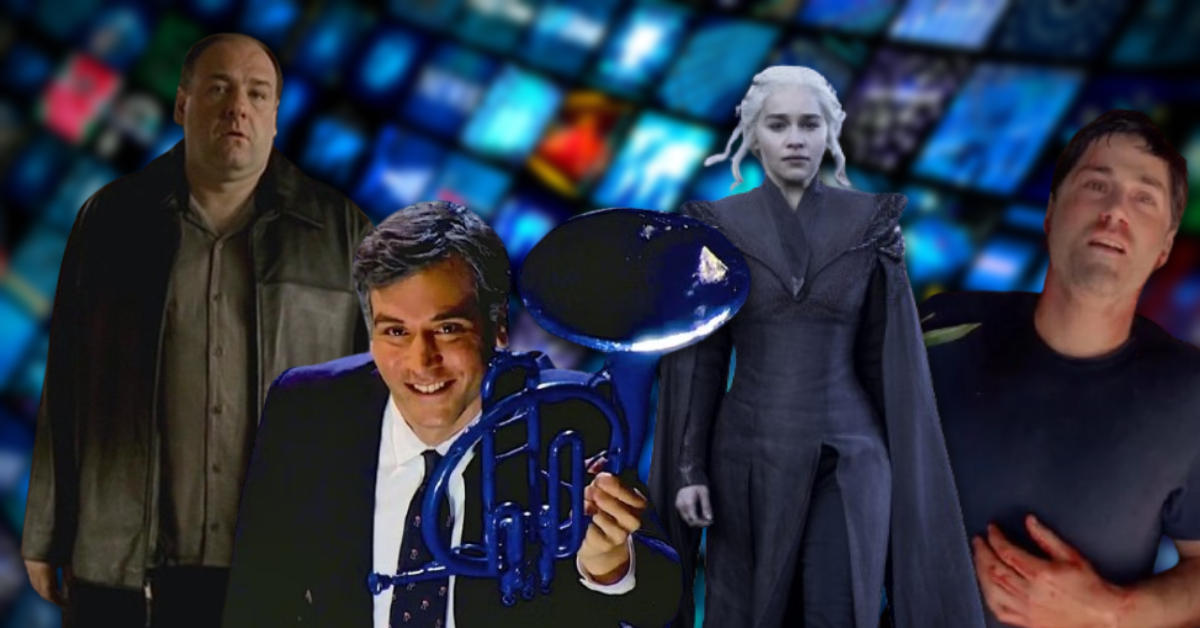
Despite that, their legacy remains intact. Many of these shows are still considered among the greatest TV series of all time. With that in mind, here are five series finales that divided fans more than almost any others in television history.
5. Seinfeld (1989–1998)
Seinfeld is widely regarded as one of the greatest sitcoms ever made, standing alongside cultural giants like Friends and The Simpsons. Its influence on comedy is undeniable, and even decades later, its humor still resonates. However, when the series finale aired in May 1998 — watched by over 76 million viewers — the reaction was far from celebratory.
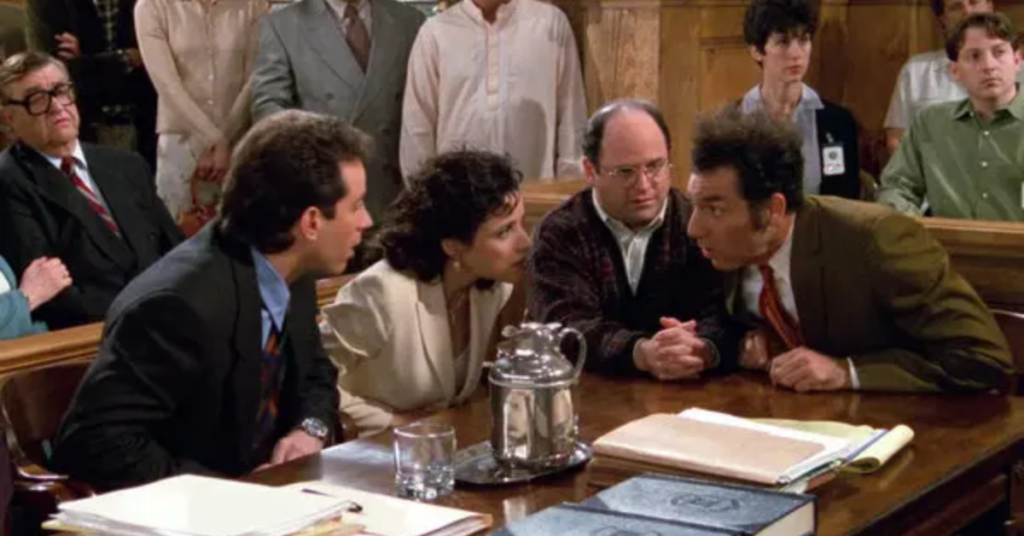
Instead of a traditional farewell, the finale saw Jerry, Elaine, George, and Kramer arrested under a “Good Samaritan” law and put on trial, with characters from the show’s past returning to testify against them. The episode concluded with the group sentenced to a year in jail. For many fans, this moral reckoning felt off-brand for a show famously built on the rule of “no hugging, no learning.”
Critics called the episode bloated and anticlimactic, and it frequently appears on lists of the worst TV finales ever. Even Jerry Seinfeld later admitted that the backlash bothered him, though he still stands by the decision. While some viewers now see the ending as a self-aware joke about the characters’ selfishness, many fans continue to feel that Seinfeld deserved a finale that better reflected its comedic brilliance.
4. Lost (2004–2010)
Few shows defined 2000s television like Lost. Created by J.J. Abrams and Damon Lindelof, the series became a global phenomenon thanks to its layered mythology, mysterious island, and endless unanswered questions. Viewers theorized endlessly, convinced that every detail would eventually pay off.
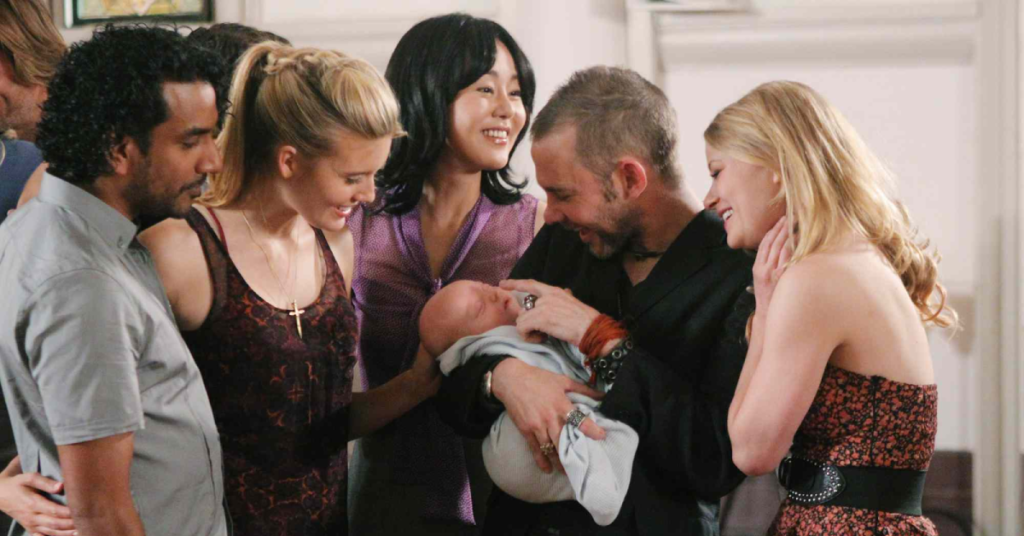
The finale, however, shifted focus. Rather than resolving the show’s many mysteries, it leaned heavily into emotional and spiritual closure. For fans deeply invested in the sci-fi mythology and puzzle-solving aspect, this felt like a betrayal of the show’s original promise.
The controversy wasn’t simply about unanswered questions — it was about expectations. Lost asked viewers to stop caring about how the island worked and instead focus on the characters’ emotional journeys. For some, this was beautiful. For others, it felt like changing the rules at the very end. That fundamental divide is why the Lost finale remains one of the most hotly debated in TV history.
3. The Sopranos (1999–2007)
Often cited as one of the greatest television series ever made, The Sopranos didn’t just tell a story — it redefined what television could be. Like The Godfather did for cinema, David Chase’s series elevated its medium through complex characters, psychological depth, and moral ambiguity.
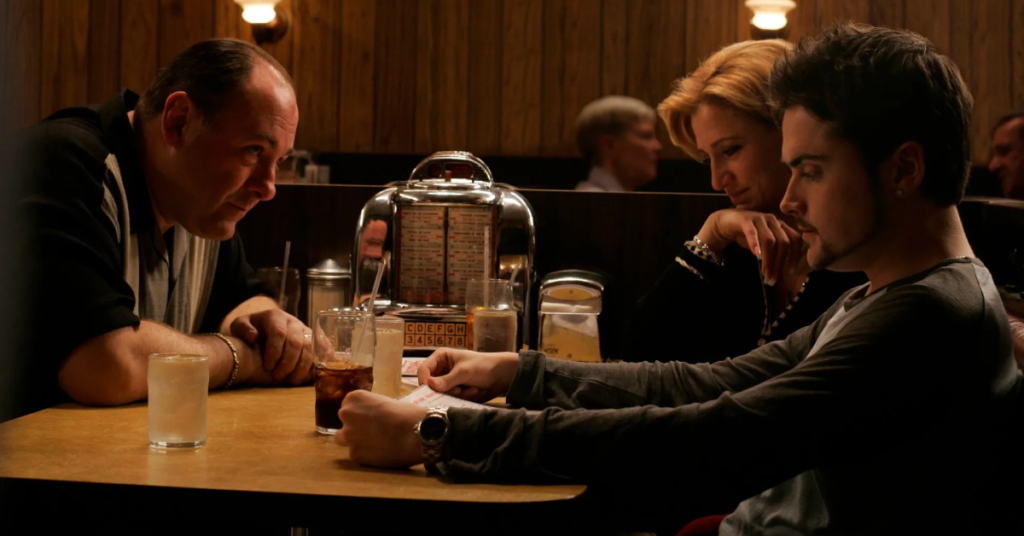
That’s why expectations for the finale were sky-high. When the final episode ended abruptly with a cut to black, confusion spread instantly. Many viewers initially thought their TVs had malfunctioned. Instead of closure, audiences were left with silence.
Over time, theories emerged — most famously that the cut to black represents Tony Soprano’s death — but the lack of confirmation frustrated viewers who wanted definitive answers. Years later, the finale has aged better, often praised as a bold artistic statement rather than a failure. Still, at the time, it deeply divided fans and remains one of television’s most daring — and controversial — endings.
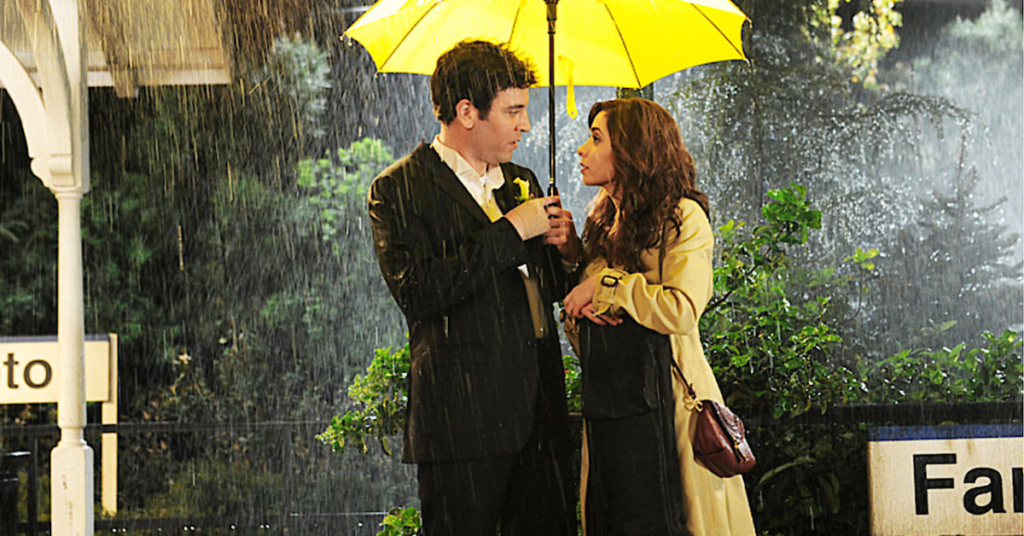
2. How I Met Your Mother (2005–2014)
Unlike the other entries on this list, How I Met Your Mother was a sitcom — but one that pushed the genre forward with cinematic storytelling and a long-form narrative structure. The entire premise revolved around Ted Mosby telling his children the story of how he met their mother.
Ironically, that premise became the show’s downfall. Because the child actors would age, the creators filmed the ending during the early seasons, locking themselves into a conclusion long before the story naturally evolved. As the series progressed, character development began pointing in a different direction — especially with the introduction of the Mother, who quickly became a fan favorite.
Her sudden death in the finale, followed by Ted ending up with Robin, felt to many like a betrayal of years of emotional investment. What was meant to feel bittersweet instead felt forced and disconnected from the journey. The result was a finale that split the fanbase and solidified itself as one of the most disappointing endings in sitcom history.
As we noted in our look at Sitcoms Like Friends, the ‘Found Family’ dynamic is fragile; if you break the heart of that family in the final hour, the audience rarely forgives you.
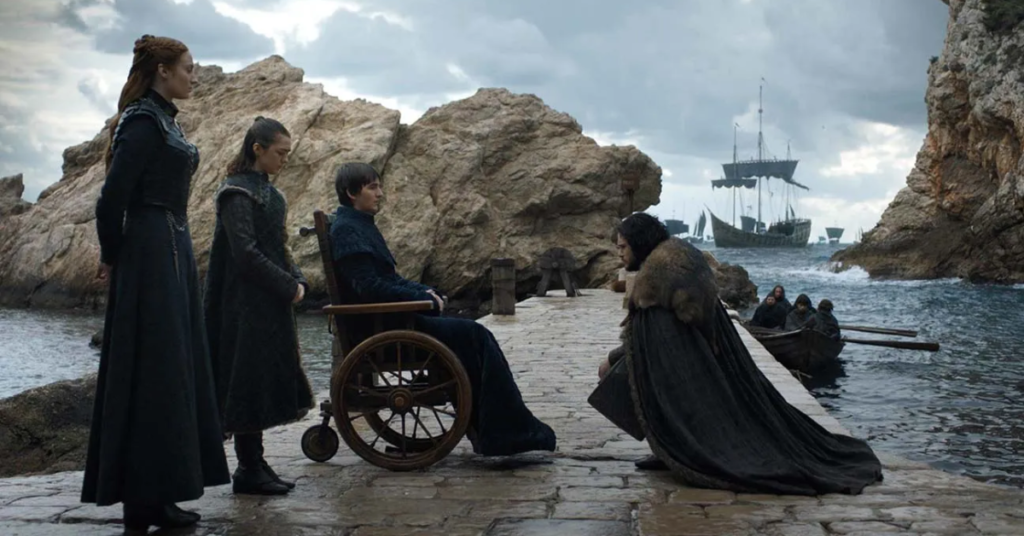
1. Game of Thrones (2011–2019)
No television finale in recent memory sparked as much backlash as Game of Thrones. What began as a gritty, politically charged fantasy series evolved into a global pop culture juggernaut. Its early seasons were praised for sharp writing, complex characters, and shocking yet logical twists.
The final season, however, told a different story. With only six episodes to conclude a massive narrative — and without finished source material from George R. R. Martin — the ending felt rushed and underdeveloped. Major character arcs, particularly Daenerys Targaryen’s descent into villainy, were widely criticized for lacking proper buildup.
Bran Stark becoming king baffled many viewers, and what should have been a tragic, powerful conclusion instead felt hollow. While it’s possible that Game of Thrones was never going to deliver an ending everyone loved, the final season left many fans feeling that a once-masterful series ended on a low note rather than a legendary one.
The rushed pacing of the final season stands in stark contrast to the patient, visual storytelling found in masterpieces like Children of Men.
The Producer’s Trap: Hitting the “Moving Target”
From a production standpoint, these finales often suffer from what I call the “Moving Target” problem. In the case of How I Met Your Mother, the creators were locked into a pre-shot ending from Season 2, failing to realize that 9 years of character growth had moved the target.
Conversely, Game of Thrones suffered from “Production Fatigue”—the scale became so massive that the narrative pacing was sacrificed for spectacle. As a director, these shows teach us a vital lesson: you cannot film an ending for the fans you had; you have to film it for the characters they’ve become.
Final Thoughtson the Most Controversial TV Series Finales
These finales didn’t erase the impact of their shows — far from it. If anything, the fact that they’re still debated years later proves how deeply these series embedded themselves into pop culture. Love them or hate them, their endings continue to spark conversation.
Now it’s your turn: which TV series finale disappointed you the most? And which controversial ending do you secretly defend?


2 thoughts on “Beyond the Cut to Black: 5 Series Finales That Still Divide Fans in 2026”