When it was announced that Aaron Sorkin was returning to the Facebook universe for an unofficial spiritual sequel to 2010’s The Social Network, expectations were sky-high. However, instead of reteaming with David Fincher, Sorkin stepped into the director’s chair himself. Ahead of its October 9, 2026 theatrical debut, review embargoes lifted today for The Social Reckoning—and the critical consensus is surprisingly lukewarm.
Sitting at a modest 52 Metacritic score and a 64% on Rotten Tomatoes, the film pales in comparison to the universally acclaimed 96% rating earned by its predecessor. While praised for Sorkin’s trademark rapid-fire dialogue and standout performances from Mikey Madison, Jeremy Allen White, and Jeremy Strong, critics overwhelmingly agree that the film struggles to match the propulsive cinematic magic of the original.
A Different Genre Focus: From College Drama to Journalism Thriller
To be fair to Sorkin, The Social Reckoning isn’t attempting to be a beat-for-beat retread of The Social Network. Where the 2010 masterpiece focused on backstabbing, college ambition, and the messy birth of a tech empire, this new chapter takes the shape of a grounded, journalism-centered whistleblower thriller.
The story dives into the real-world fallout of social media algorithms, political polarization, and internal Facebook leaks detailing the societal dangers of the platform. It is a noble, urgent premise—yet one that frequently gets bogged down in Sorkin’s preachy impulses.
Sorkin has previously proven himself to be a capable director with solid entries like Molly’s Game, The Trial of the Chicago 7, and Being the Ricardos. However, The Social Reckoning exposes his limitations as a visual stylist.
Without David Fincher’s sleek, dark, meticulously calculated camera movement and Trent Reznor/Atticus Ross’s anxious, propulsive score, Sorkin’s staging feels theatrical and static. Critics note that what should have felt like an urgent, high-stakes investigative thriller frequently devolves into a series of “didactic lectures” where characters speak in hyper-articulate Sorkin-isms rather than feeling like real people.
2. Standout Performances Across the Board
If there is a universal bright spot in the early reviews, it is the incredible cast:
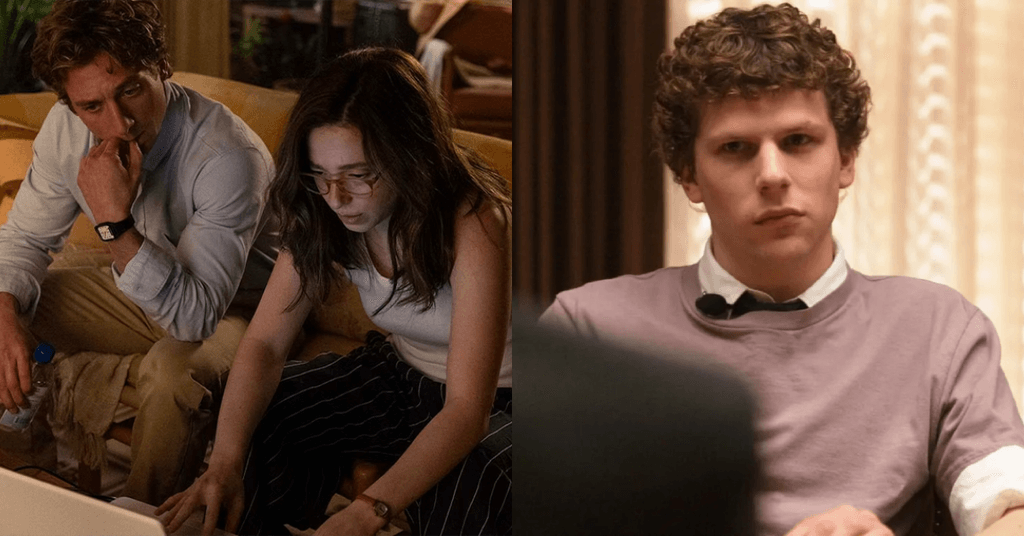
Mikey Madison: Delivers a fierce, emotionally grounded performance as the courageous Facebook whistleblower at the heart of the story.
Jeremy Allen White: Brings intense, kinetic energy as the lead investigative journalist pushing the story into the light.
Jeremy Strong: Takes on the monumental task of filling Jesse Eisenberg’s shoes as Mark Zuckerberg, crafting a colder, more insular, and battle-tested version of the tech mogul.
From Digger to The Dog Stars, here is how inflated budgets are impacting non-franchise cinema at the fall box office.
The Verdict
The Social Reckoning proves once again that while Aaron Sorkin remains a generational screenwriting talent, The Social Network was a once-in-a-generation masterpiece because David Fincher kept Sorkin’s preachy, theatrical tendencies in check.
While The Social Reckoning is far from a bad movie—and remains worth watching for its electric performances and sobering look at Big Tech’s societal impact—it lacks the sharp cinematic bite needed to capture awards-season lightning in a bottle twice.
For many people, The Social Network was not only a tough act to follow but has also become a modern classic. The Social Reckoning may not quite match its predecessor, but it remains an engaging new chapter in Sorkin’s ongoing exploration of Facebook, Big Tech, and the constantly evolving world of social media.
Are you planning to see The Social Reckoning in theaters this weekend, or do you think Aaron Sorkin should have brought David Fincher back to direct? Sound off in the comments below!