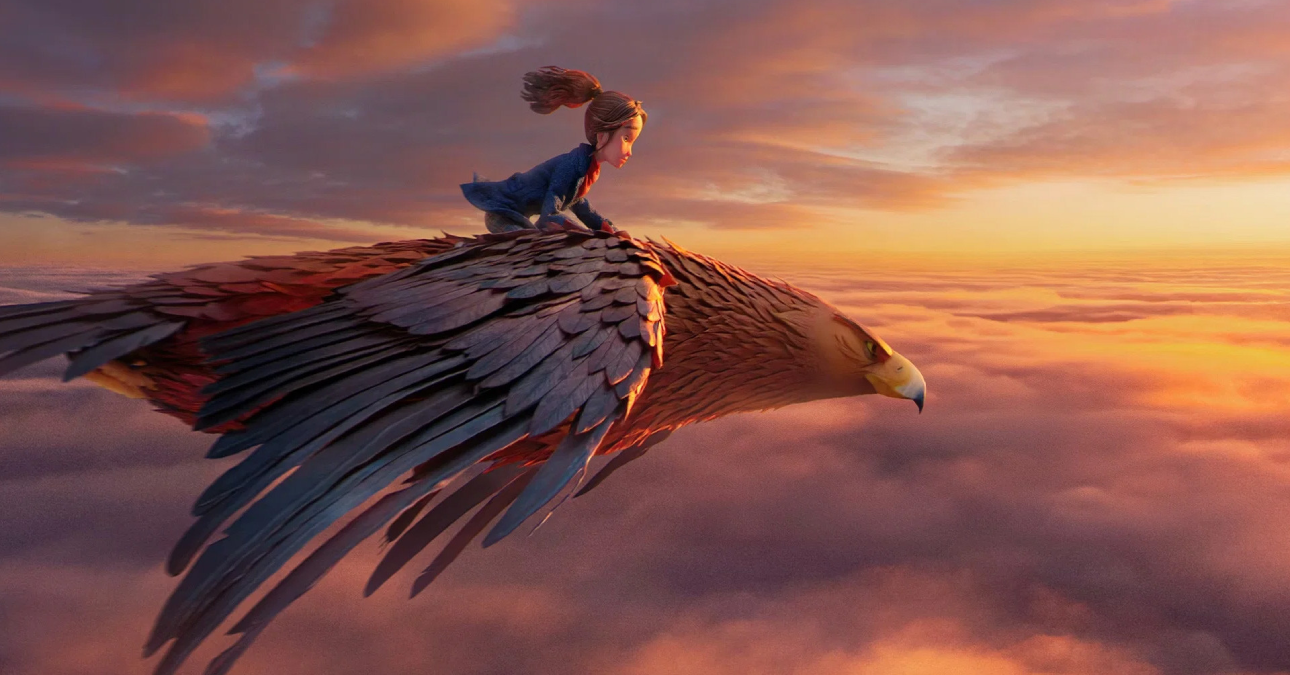
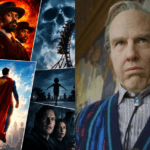
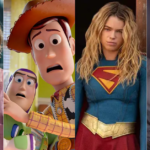
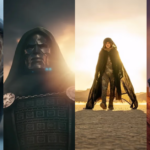
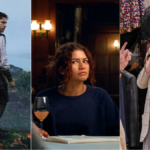
LAIKA’s long-awaited dark fantasy epic Wildwood debuted to a near-perfect 99% Rotten Tomatoes critical score and an A CinemaScore, yet pulled in a dismal ~$12.2 million domestic opening weekend against a massive $100 million budget.
The immediate knee-jerk reaction from studio executives might be that original animated films simply don’t work at the box office anymore. However, the real issue lies in a deeper cultural divide: general audiences continue to view animation primarily as a digital distraction for young children, leaving handcrafted, artistic stop-motion struggling to find a mainstream theatrical crowd.
Even with recent original animation flops like Forgotten Island stumbling earlier this season, Wildwood’s performance shows how difficult it has become to market tactile, frame-by-frame filmmaking as a high-stakes theatrical event rather than a niche “art project.”
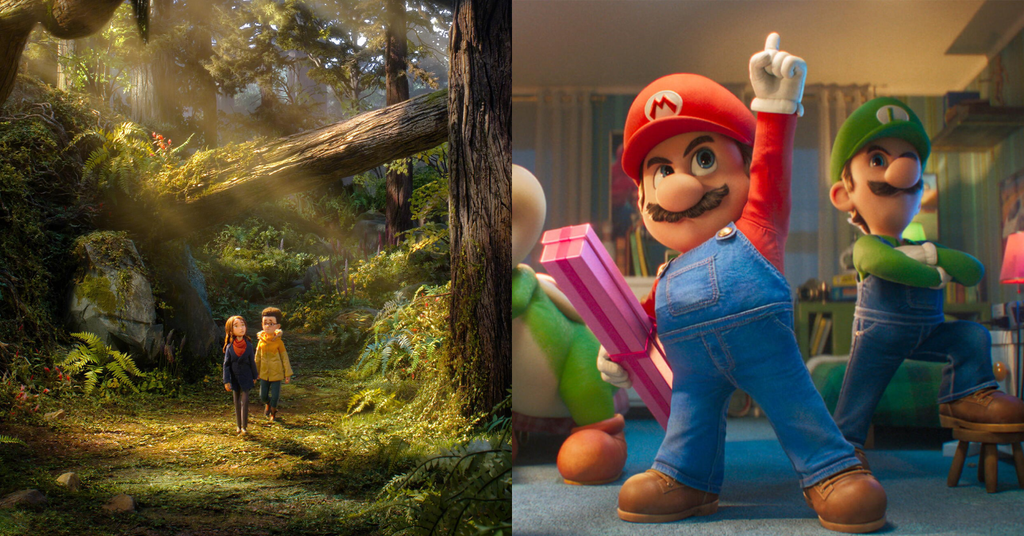
Image composite via LAIKA / Universal Pictures / Illumination
In the modern box office landscape, stop-motion animation has rarely been a billion-dollar juggernaut, despite the staggering artistic labor required to build every set and sculpt every puppet by hand.
The industry is currently splitting into two distinct lanes:
Lean, High-ROI Original Genre Hits: Low-budget, original horror properties like Obsession and The Backrooms are turning massive profits because their production budgets are strictly controlled.
High-Budget Auteur Risks: Massive, non-IP experiments like Iñárritu’s Digger or LAIKA’s $100M Wildwood are getting crushed because their astronomical production costs leave zero room for error if casual audiences hesitate to buy tickets.
Modern moviegoers have been conditioned to treat polished 3D CGI as the default standard for family entertainment. For LAIKA CEO and director Travis Knight—who also faced box office headwinds earlier with Masters of the Universe—Wildwood highlights how difficult it is to sell handcrafted claymation to audiences who expect fast-paced, digital CGI IP franchises.
Rating, Runtime, and Marketing Friction
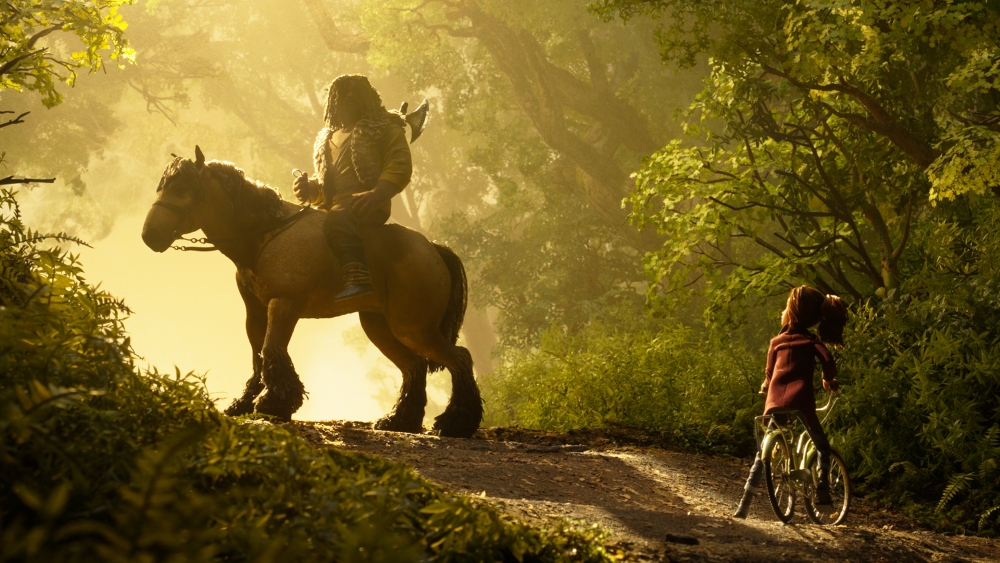
Image via LAIKA Studios
LAIKA didn’t make a sanitized 90-minute distraction for toddlers; they crafted a sprawling, ambitious dark fantasy.
The PG-13 Rating: Marking LAIKA’s first-ever PG-13 rating, the film’s mature, darker fantasy tone scared off parents looking for a safe weekend family outing.
The 131-Minute Runtime: Billed as the longest stop-motion feature ever made, a 2-hour-and-11-minute runtime naturally limits the number of daily theater showtimes, putting a cap on weekend capacity.
Still, this is where LAIKA operates differently than traditional legacy studios. Much like Coraline or Kubo and the Two Strings, Wildwood is built to endure as a timeless cult classic whose financial value will compound over time through physical media, streaming, and theatrical re-releases.
Wildwood is rightfully being praised by critics as an animated masterpiece and a triumph of handcrafted cinema. While its opening weekend box office numbers are undeniably disappointing, LAIKA’s commitment to pure artistry ensures that time will ultimately vindicate the film.
However, with a $100 million price tag, Wildwood‘s theatrical stumble serves as a sobering reminder that Hollywood must figure out how to bridge the gap between high-art stop-motion and general moviegoers.
Why do you think modern filmgoers prefer polished 3D CGI over the handcrafted artistry of stop-motion animation? Is Wildwood a victim of bad marketing, or are changing audience tastes to blame? Let us know your thoughts in the comments below!
Written by Paco Chanona
Paco Chanona is a filmmaker, screenwriter, and founder of Flicks n Pop. A Vancouver Film School alumnus with over 14 years in media production across Canada and Mexico, he covers film analysis, studio box office trends, and industry news.