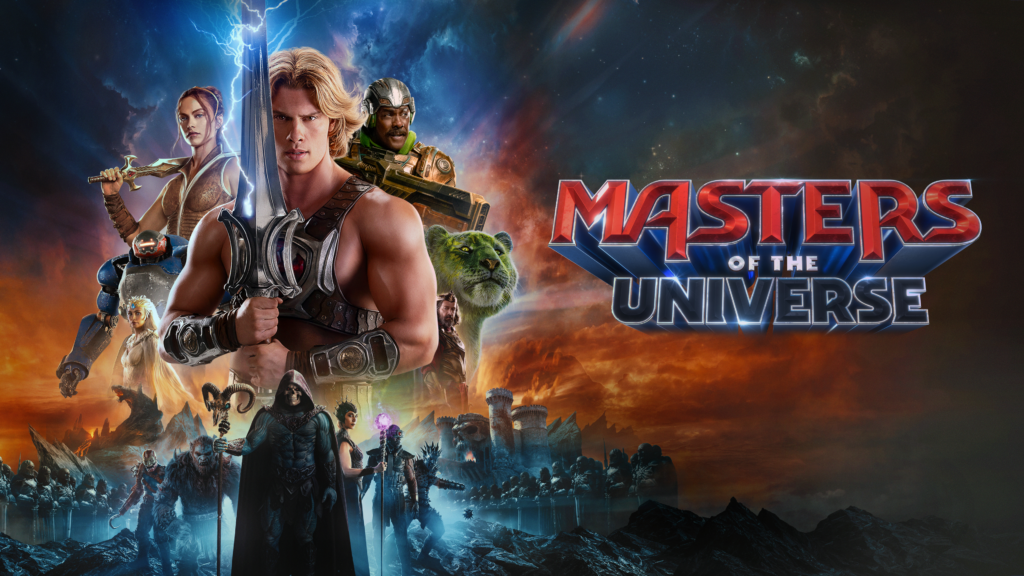
Just one month ago, headline after headline pronounced Travis Knight’s Masters of the Universe dead on arrival. Produced on a reported $170 million to $200 million price tag, its meager $113 million global theatrical haul led trade outlets to instantly brand the He-Man reboot as one of the biggest box office disappointments of the summer.
Most film critics were harsh on the movie, dismissing it as hollow 1980s nostalgia bait that failed to find a modern theatrical audience. Conventional wisdom suggested that the iconic toy line’s glory days were long gone and that neither adults nor kids cared about Eternia anymore. Yet, a closer look at the data told a different story: while critics gave it a mixed reaction, the audience score on Rotten Tomatoes hovered well above 86%—a massive disconnect that set the stage for its eventual digital second life.
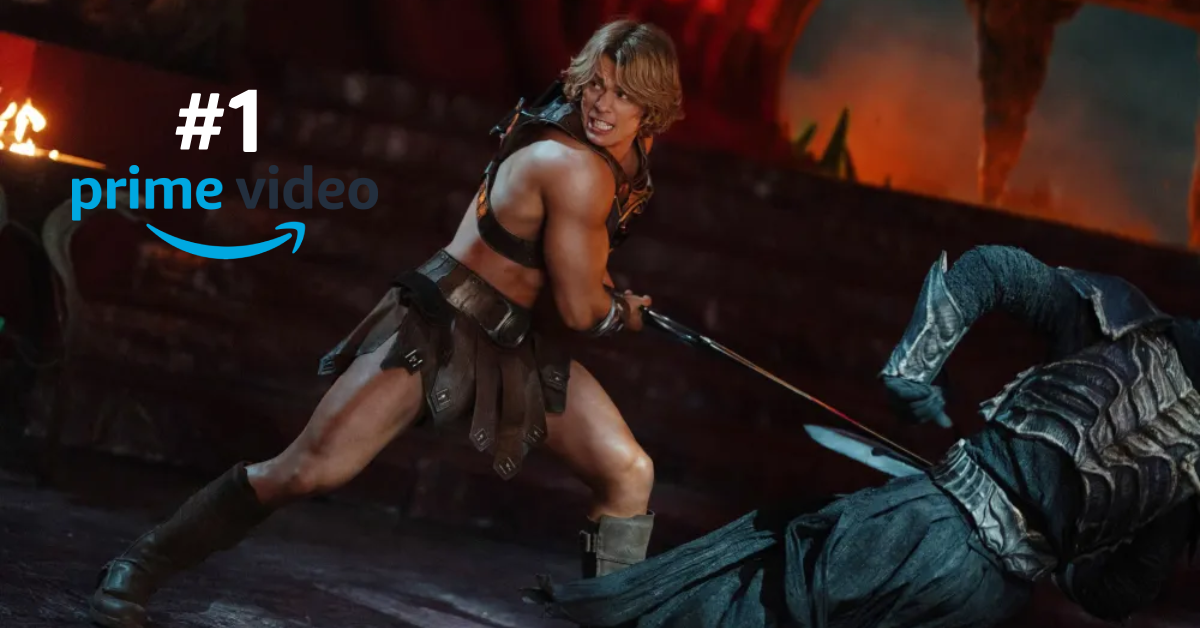
Fast forward less than two months, and a strange phenomenon is taking over the internet. Dropping onto Prime Video this week, Masters of the Universe instantly rocketed to the #1 most-watched movie globally on the platform. Across X, TikTok, and Reddit, viral clips of Jared Leto’s surprisingly unhinged, 80s-camp performance as Skeletor are dominating timelines, accompanied by a growing chorus of viewers admitting the exact same thing: “I actually regret not seeing this in theaters.”
A fascinating shift in perspective is occurring. Fans who loved the film during its brief theatrical run feel vindicated, arguing that the project was always destined to be a massive streaming juggernaut. Viewers are now actively pleading with Amazon for a sequel, claiming it is an earnest, fun fantasy adventure that was unfairly judged by a flawed theatrical marketing campaign.
Some fans have also pointed out that Masters of the Universe was released while Backrooms and Obsession were dominating the box office. As a result, many younger moviegoers may have skipped it in theaters but are now discovering—or rediscovering—it on streaming.
The Director’s Insight: Is ‘Masters of the Universe’ Getting a Second Chance?
1. The Ticket Price Wall & The “Wait for Streaming” Trap
The immediate streaming success of Masters of the Universe exposes a massive breakdown between studio marketing and modern moviegoing habits. In an era where a single family trip to the theater can easily top $80, general audiences have become hyper-selective about what warrants a big-screen ticket.
Trailers framed Travis Knight’s film as just another generic, CGI-heavy studio blockbuster. That framing caused cautious audiences to hold off. But now that the movie is accessible as part of a Prime subscription, viewers are discovering an uncynical, visually vibrant, and surprisingly fun adventure that actually deserved the theatrical experience.
2. The New Sequel Equation: Does Theatrical Box Office Still Matter to Amazon?
Under the traditional Hollywood framework, a $113 million box office return against a massive budget would instantly kill any franchise aspirations. But Amazon MGM Studios does not operate like a traditional legacy studio. They are a tech ecosystem using theatrical runs as high-profile marketing billboards to drive subscriber engagement.
With Travis Knight already teasing She-Ra in the mid-credits scene and social media mounting an aggressive campaign for a follow-up, Masters of the Universe demonstrates that streaming viewership metrics might ultimately hold the power to save cult-classic blockbusters.
Big-Screen Spectacle in a Streaming World
We are living through a transitional period in Hollywood. Direct-to-streaming movies often lack theatrical scale, while certain theatrical releases fail to find their footing until they hit home screens. Masters of the Universe sits right in the middle of this dilemma.
While its theatrical run was labeled a failure, that very narrative created an underdog curiosity that boosted its streaming numbers. Amazon MGM always knew the property possessed global streaming potential, using the theatrical window to test the waters and generate brand awareness. Now, the lingering question remains: will tech-driven studios continue risking massive theatrical launches, or will they begin sending mid-tier fantasy IP straight to digital platforms?
Conclusion
Masters of the Universe proves that in 2026, a movie’s story doesn’t end when it leaves the multiplex. With Jared Leto’s Skeletor winning over the internet and fans clamoring for Eternia’s return, Amazon might just get the last laugh—and the green light for a sequel.
What do you think about Masters of the Universe underperforming at the box office but becoming Prime Video’s #1 movie worldwide? Does its streaming success change the way you view its theatrical performance? Let us know in the comments!