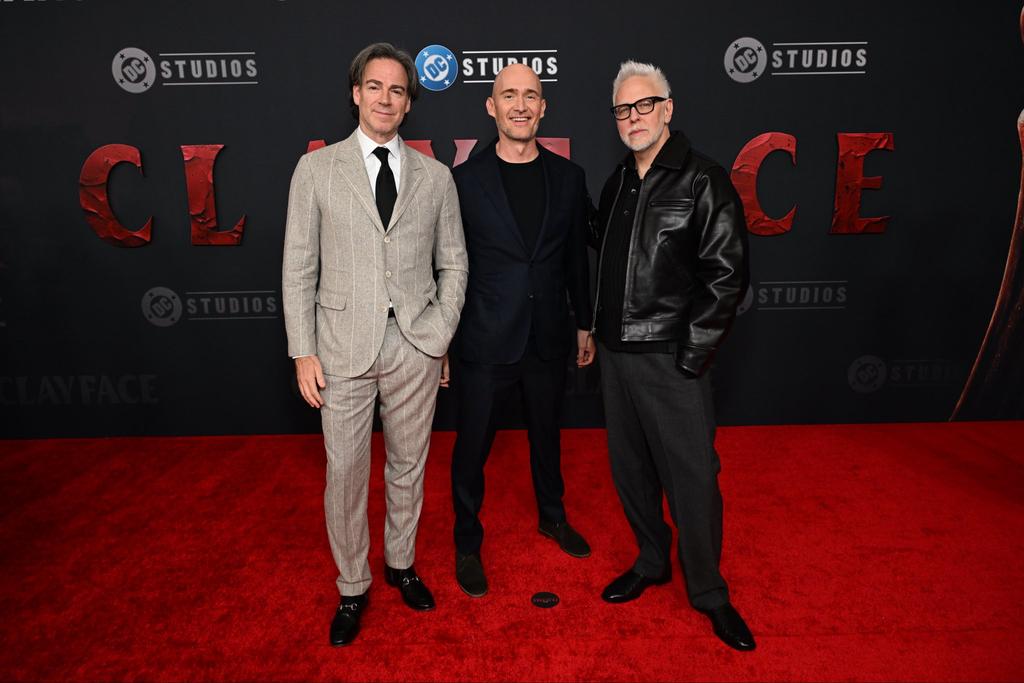
The social media embargo has officially lifted, and DC Studios’ Clayface first reactions are pouring in. Positioned as a lean, mid-budget horror entry rather than a standard, CGI-bloated superhero blockbuster, the film tackles one of Batman’s most iconic rogues.
The early consensus is overwhelmingly enthusiastic—highlighting a crucial storytelling milestone: Clayface treats its title character like an uncompromised villain. Unlike the sanitized, anti-hero transformations seen in Sony’s Spider-Man Universe (e.g., Venom, Morbius, Kraven the Hunter), DC lets Matt Hagen remain a terrifying, tragic monster.
Directed by James Watkins (Speak No Evil) from a screenplay co-written by horror master Mike Flanagan (The Haunting of Hill House, Carrie), Clayface stars Tom Rhys Harries in a breakout lead performance. Critics are calling the film a “shockingly gruesome” hybrid of David Cronenberg’s The Fly and Sam Raimi’s Darkman.
Crucially, the film functions as a self-contained body-horror experience that requires zero prior comic book knowledge or homework to enjoy.
DC’s Hard Villain Approach vs. Sony’s Anti-Hero Trap
The 3 Reasons DC’s ‘Clayface’ Strategy Works Better Than Sony’s
1. No More “Anti-Hero” Compromises
Sony stripped characters like Kraven and Venom of their menacing edge by surrounding them with “noble causes” or comedic banter to keep them likable for mass merch sales. In contrast, Clayface succeeds because DC embraces a true villain-led slasher narrative without apology. While the audience can sympathize with Matt Hagen’s tragic backstory, the story doesn’t sanitize his horrifying spiral into violence.
2. Genre-First Filmmaking over Universe Teasers
Clayface functions first and foremost as a standalone body-horror thriller, and second as a Gotham-adjacent story. Free from forced cameo dumps or world-building teasers for six future spinoffs, it simply delivers a complete, terrifying character study. Even as part of James Gunn and Peter Safran’s grander DCU Chapter One slate, it stands entirely on its own two feet.
3. Trusting the R-Rating & Practical Gore
Leaning into graphic, practical body-horror effects and psychological dread creates an “event” film that attracts core horror moviegoers who traditionally skip standard caped-crusader fare. Furthermore, produced on a disciplined, mid-budget price tag (around $40 million), Clayface avoids the ballooned financial traps that recently plagued oversized studio bets like Digger, giving it a clean path to theatrical profitability.
How veteran auteurs are turning to lean horror budgets to protect creative freedom and box office ROI.
James Gunn Praises ‘Clayface’ at the Premiere
Following the film’s premiere at the Hollywood Legion Theater in Los Angeles, social media erupted with praise from critics and fans alike. DC Studios co-CEO James Gunn posted his enthusiastic support:
“Last night was my favorite premiere in a long time with my favorite film in a long time. Can’t wait for you to see it with a screaming audience!”
Industry observers noted the stark contrast between Gunn’s personal excitement for Clayface and his more reserved post-mortem commentary following the box office stumble of Supergirl earlier this summer being one of the responsibles for recent Warner Bros. Slump.
As an added tease during red-carpet interviews, Gunn briefly addressed fan demand for a live-action Batman Beyond project, hinting that while it remains a long-term dream, DC Studios’ immediate focus remains on nurturing unique, genre-specific entries like Clayface.
The Verdictafter Clayface First Reactions
Clayface proves a fundamental storytelling truth: if you give a comic book villain their own standalone movie, you have to let them be a villain. By prioritizing pure, R-rated body-horror over watered-down, studio-driven universe building, DC Studios is laying down a fresh, exciting blueprint for comic book cinema.
Are you glad DC kept Clayface a dark, hard-R horror movie, or do you prefer the lighter anti-hero approach of Sony’s Venom films? Will you be checking this out in theaters on October 23? Sound off in the comments below!