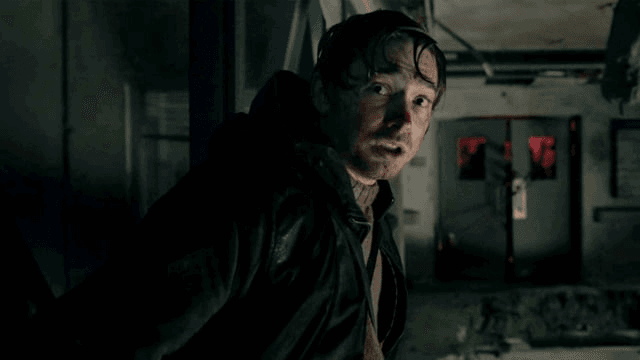
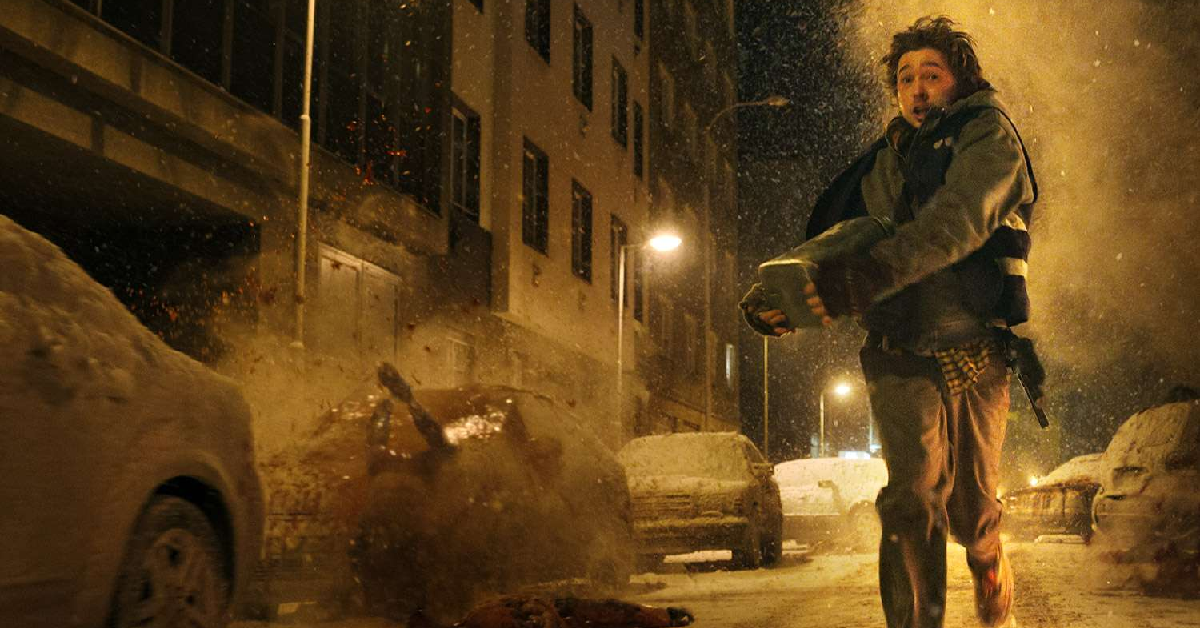
In what many believed was a “dead” film brand, Zach Cregger has done the seemingly impossible: breathe roaring new life into the Resident Evil cinematic universe. The horror reboot delivered the single biggest opening weekend in the entire history of video game adaptations for the franchise, shattering expectations with a massive $108.3 million worldwide debut ($60 million domestic and $48.3 million internationally).
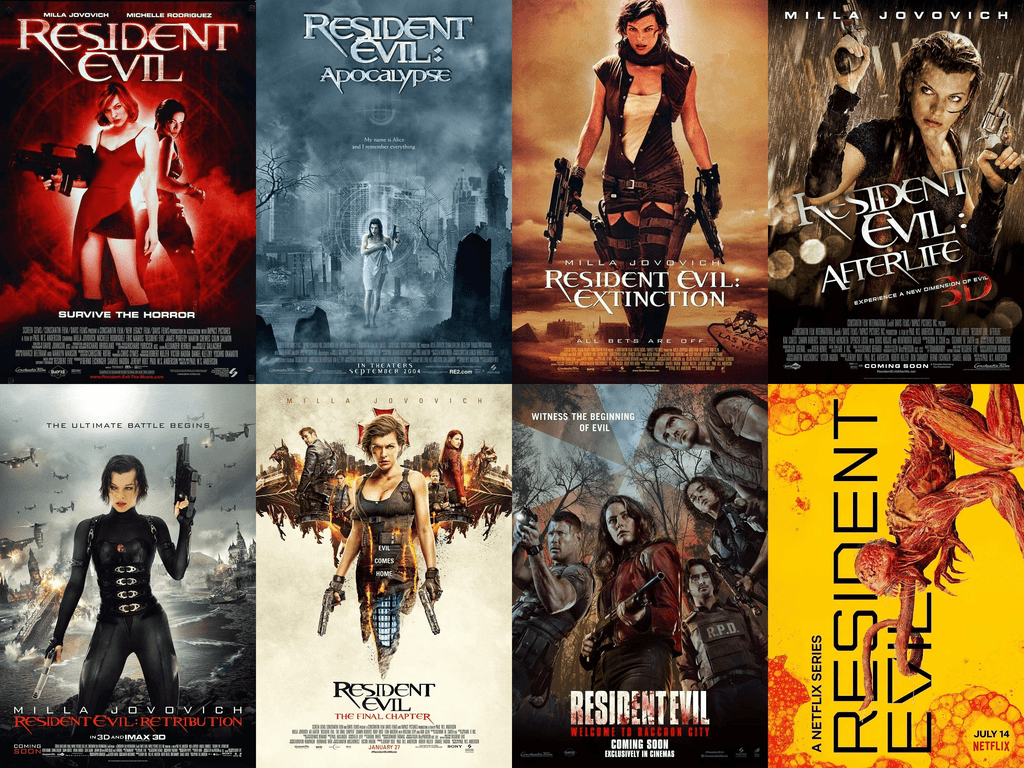
To put that achievement into perspective, Cregger’s movie earned more in its three-day opening weekend than the original 2002 Resident Evil film starring Milla Jovovich and Michelle Rodriguez made during its entire domestic theatrical run ($40.1M). In fact, Cregger is already on pace to challenge the highest-earning global entries in the history of the property.
This is a monumental victory for Sony Pictures and Capcom. They have successfully revitalized one of their prized gaming IPs on the big screen, proving to fans that an adaptation can capture the true, terrifying DNA of the games without relying on forced video game protagonist cameos.
For Zach Cregger, this marks an incredible streak of three consecutive hits (Barbarian, Weapons, and now Resident Evil), cementing his standing as a premiere modern horror director who knows how to execute claustrophobic, hard-R survival horror.
How Cregger’s Debut Compares to the Franchise Openings
The most impressive aspect of Cregger’s Resident Evil isn’t just that it revived a brand after 2021’s Welcome to Raccoon City stumbled to a total worldwide haul of only $42 million; it’s that it completely outpaced the opening weekends of the Paul W.S. Anderson era.
While the Anderson and Jovovich six-film saga grossed over $1.2 billion collectively, its individual opening weekends were far more modest:
The Paul W.S. Anderson Era Peak:Resident Evil: Afterlife (2010) previously held the franchise opening record with $26.65 million domestic, heavily supported by 3D premium ticket surcharges.
The 2021 Misfire:Welcome to Raccoon City managed under $9 million in its opening frame and finished at ~$42M worldwide. Cregger’s reboot more than doubled that entire lifetime run in 72 hours.
The New Benchmark: Cregger’s $60 million domestic debut is comfortably the largest opening frame in Resident Evil film history—more than doubling Afterlife‘s previous record.
The Resident Evil Adaptation Box Office Numbers Comparison
With a production budget of $75 million, Cregger’s Resident Evil is positioned to be immensely profitable for Sony. Here is how the new release compares to the theatrical lifetime totals of every live-action entry in the franchise (data via Box Office Mojo):
Movie Title
Release Year
Domestic Box Office
International Box Office
Worldwide Total
Resident Evil
2002
$40,119,709
$62,865,153
$102,984,862
Resident Evil: Apocalypse
2004
$51,201,453
$78,193,356
$129,394,809
Resident Evil: Extinction
2007
$50,648,679
$97,063,386
$147,712,065
Resident Evil: Afterlife
2010
$60,128,566
$240,099,518
$300,228,084
Resident Evil: Retribution
2012
$42,345,531
$197,658,898
$240,004,429
Resident Evil: The Final Chapter
2016
$26,844,692
$285,412,807
$312,257,499
Resident Evil: Welcome to Raccoon City
2021
$17,000,000
$25,000,000
$42,000,000
Resident Evil (Zach Cregger)
2026
$60,200,000
$48,100,000
$108,300,000 (Opening)
Why Cregger’s Approach Worked (Horror Over Action)
The Formula Shift
The Paul W.S. Anderson sequels gradually abandoned survival horror in favor of stylized, Matrix-inspired superhero action and endless CGI explosion sequences. Cregger completely inverted that blueprint: he stripped away the superhero invincibility and returned the franchise to true survival horror. Audiences were treated to dark corridors, strict resource management, unsettling body horror, and genuine, claustrophobic dread led by Austin Abrams’ grounded performance.
Power of Word-of-Mouth
Instead of suffering from the heavy second-day drop-offs typical of front-loaded horror, Cregger’s film rode an immense wave of positive word-of-mouth. Horror die-hards and gaming purists rushed to social media to celebrate a movie that finally treated the material with respect, creating momentum that carried straight through the weekend.
From anchoring Zach Cregger’s Resident Evil reboot to taking on Brian Duffield’s Whalefall, here is how Austin Abrams is dominating the autumn box office.
What This Means for the Future of Capcom Cinema
The Inevitable Sequel: With a $108.3 million opening weekend against a modest $75 million budget, a sequel greenlight from Sony and Capcom is an absolute certainty. Fans are already speculating whether Cregger will tackle Resident Evil 2‘s police station collapse or dive into the gothic horror of Biohazard. Cregger probably won’t be returning as he said this is the only IP film he plans to direct, at least for now.
The New Genre Blueprint: This massive success provides Hollywood with a clear lesson: video game adaptations thrive when treated as legitimate genre cinema by visionary directors, rather than as soulless, studio-driven cash-ins.
The Verdict
Zach Cregger didn’t just reboot a video game movie; he reclaimed the throne for survival horror at the multiplex. By honoring the tone, tension, and dread of Capcom’s iconic universe, Resident Evil has officially launched a new gold-standard era for gaming cinema.
Where does Zach Cregger’s new reboot rank among your favorite Resident Evil movies? Do you prefer his grounded survival horror approach, or do you still have a soft spot for Milla Jovovich’s action-heavy saga? Let us know in the comments below!