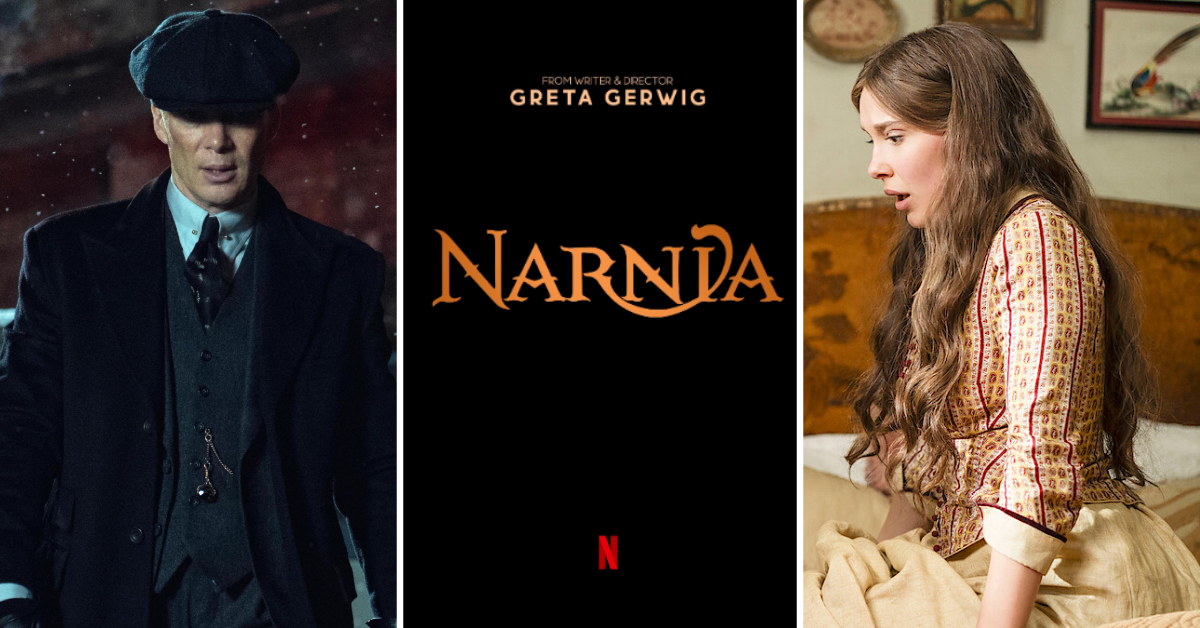
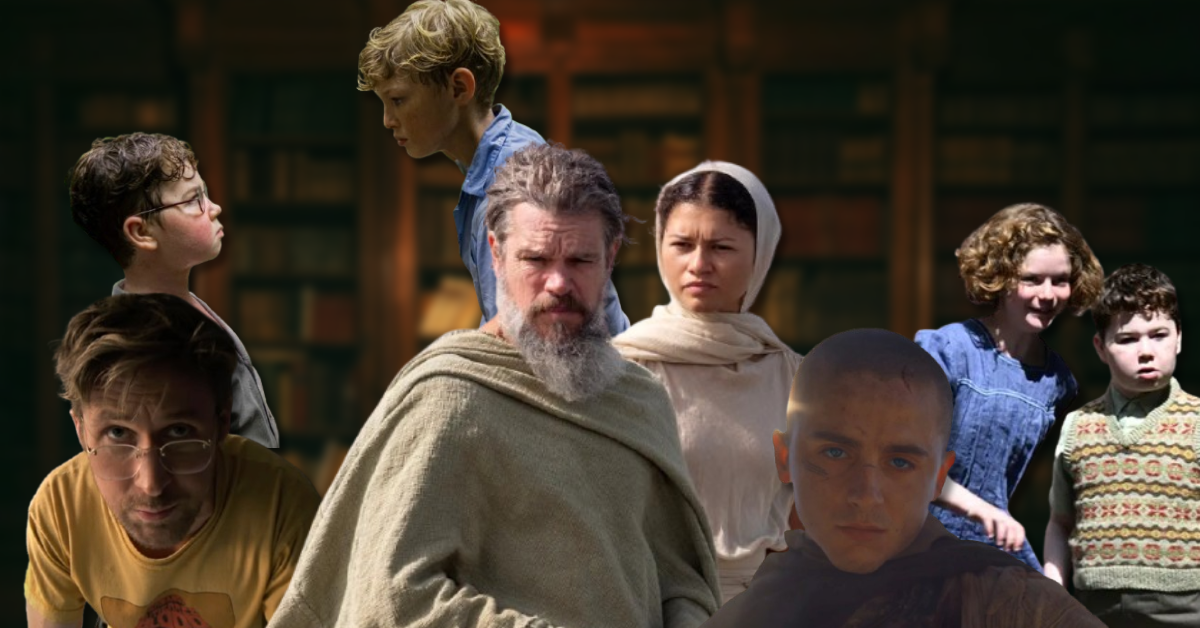
When Empire and Netflix dropped the world-exclusive first look at Greta Gerwig’s highly anticipated adaptation of Narnia: The Magician’s Nephew, the internet did what the internet does best: it went into an absolute, unbridled tailspin.
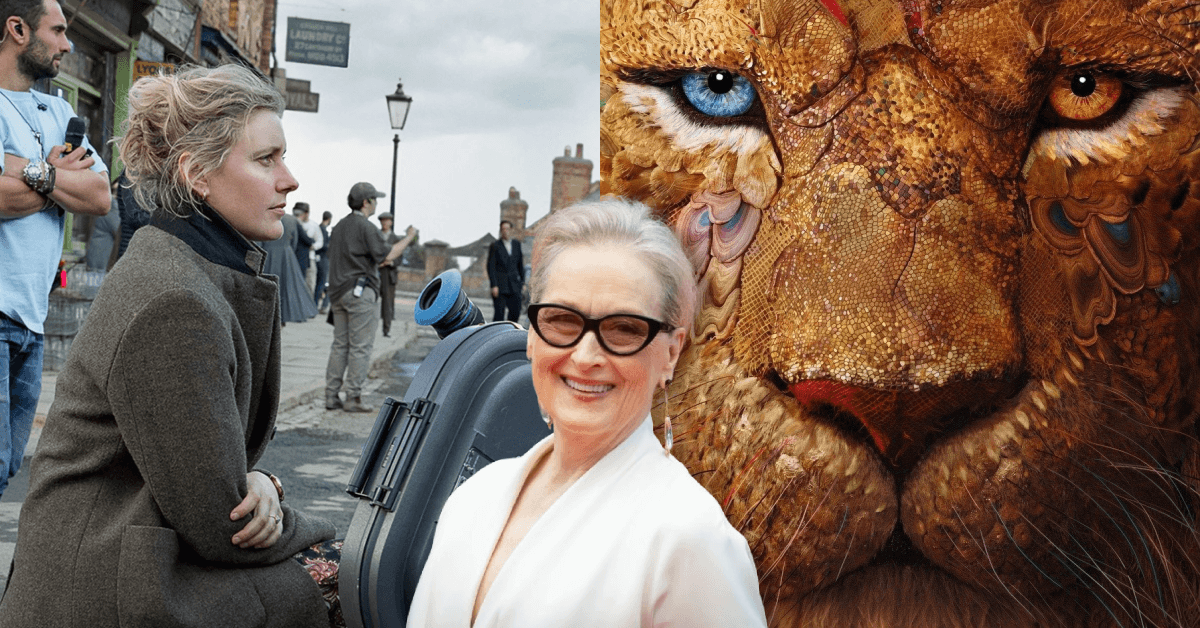
Purists expecting a cozy, straightforward retread of the 2000s Walden Media aesthetic were met with a series of absolute curveballs. Gerwig formally confirmed that three-time Oscar winner Meryl Streep will voice Aslan the Great Lion—bringing a David Bowie-inspired, heterochromic, red-striped visual redesign to the cosmic deity. To make matters even more radical, Gerwig has shifted the Earth-side timeline from C.S. Lewis’s early-1900s Edwardian setting to post-war 1950s Britain, describing her vision for the film as a sweeping “tribute to rock-and-roll” and a thematic “rock opera”.
Predictably, fantasy traditionalists are calling it sacrilege. But here at Flicksnpop, we see the real story: these bold creative swings aren’t a disaster in the making—they are the exact secret weapon Netflix needs.
The Lore Panic vs. The Page-to-Screen Trap
Every time a beloved classic gets a modern makeover, the initial reaction is dominated by knee-jerk outrage over lore changes. But let’s be completely honest about C.S. Lewis’s source material: a hyper-literal, line-by-line adaptation of The Magician’s Nephew in 2027 runs a massive risk of feeling rigid, dusty, and outdated.
The 2000s Walden Media films (The Lion, the Witch and the Wardrobe, Prince Caspian) succeeded early on by leaning into The Lord of the Rings style of epic medieval fantasy. But by the time the franchise reached its end, the formula had gone entirely stale. Doing a safe, standard fantasy retread today would guarantee that Narnia gets lost in the streaming noise alongside countless other forgotten high-budget book adaptations.
The ‘Barbie’ Blueprint: Turning Myth into a Cultural Event
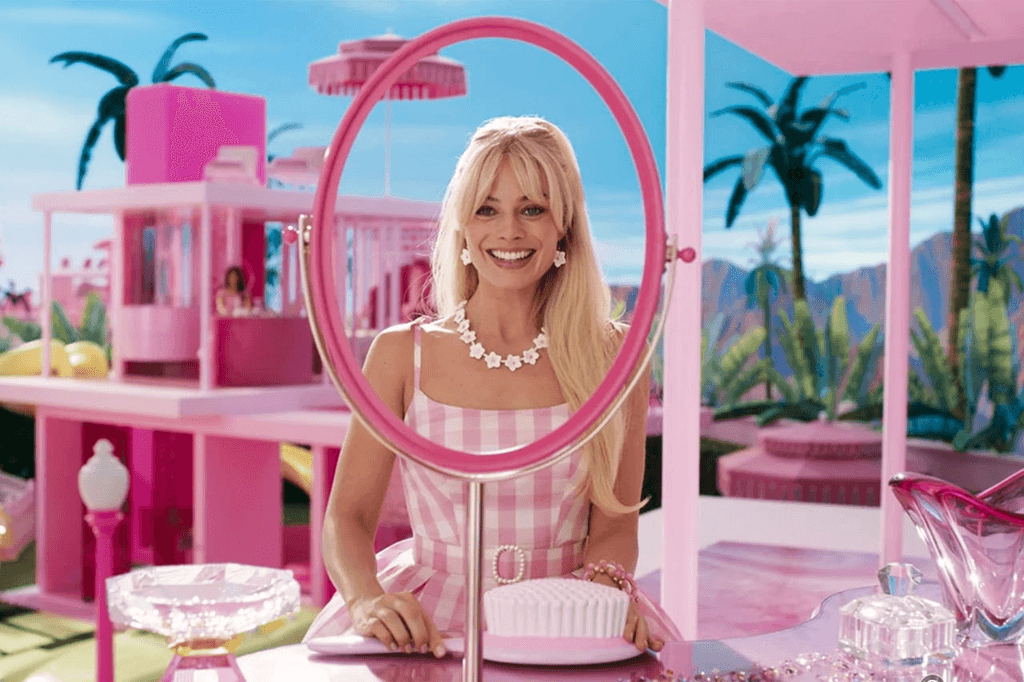
Gerwig is approaching C.S. Lewis the exact same way she approached Barbie: by breaking the rigid corporate formula to turn a legacy IP into a genuine cultural event.
The Rock Opera Logic: In Lewis’s original lore, Aslan literally sings the universe of Narnia into existence out of the void. Connecting that creation myth to the explosive, transformative power of 1950s and 60s rock-and-roll—drawing inspiration from David Bowie, The Who, and Pink Floyd—is a brilliant, thematic translation for cinema.
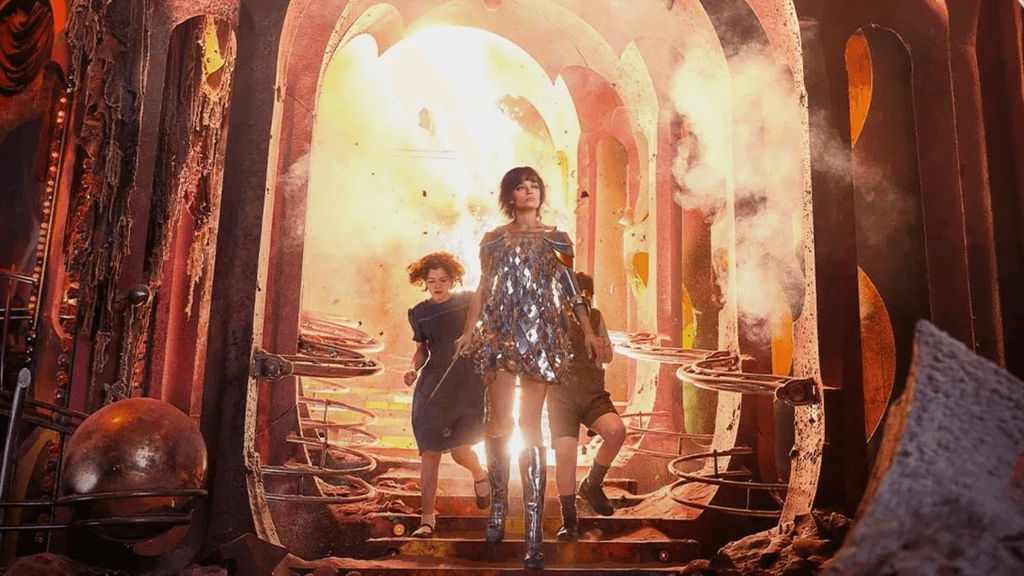
The 1950s Post-War Shift: Shifting young leads Digory (David McKenna) and Polly (Beatrice Campbell) into 1950s post-war London grounds their story in the exact generation that built a new world out of bomb sites and war rubble through art and music.
Meryl Streep as Aslan: Casting an actor with the unmatched gravitas, warmth, and ethereal presence of Meryl Streep gives the cosmic lion a transcendent, divine weight that transcends traditional gender expectations.
The Verdict
Greta Gerwig isn’t trying to make a safe, assembly-line fantasy film to passively run in the background on Netflix; she is building an auteur-driven, big-screen cinematic spectacle. With an exclusive 45-day theatrical launch and IMAX previews set for February 2027 ahead of its streaming debut, Narnia: The Magician’s Nephew promises to be one of the most daring fantasy releases of the decade.
Instead of fearing the changes, fantasy fans should be celebrating a director who actually has the courage to make a classic myth feel dangerous, vibrant, and alive again.
How do you feel about Greta Gerwig’s rock-and-roll vision for Narnia? Are you excited to see Meryl Streep voice Aslan in a mid-century creation myth, or are you holding out for a more traditional adaptation? Let us know in the comments below!