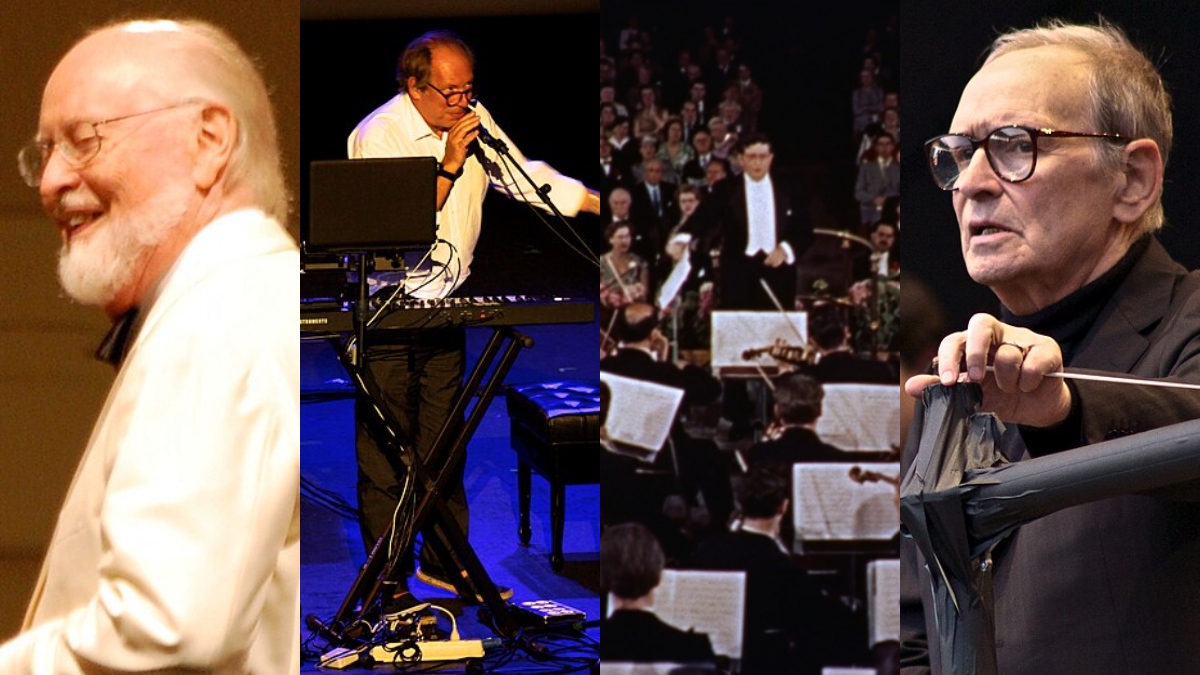
Film scores are often invisible when they work perfectly. They guide our emotions, create tension, elevate performances, and linger in our minds long after the theater screen goes dark. A great composer doesn’t just accompany a movie—they give it its soul.
This list celebrates the legendary composers whose work transcended individual movies and became woven into the fabric of global pop culture itself. While any top ranking carries subjective weight, every name here earned their spot by fundamentally altering how we experience cinema.
Top 10 Film Composers Comparison
Rank
Composer
Defining Signature Style
Signature Works
10
Alan Silvestri
Pure Cinematic Energy & Brass-Led Momentum
Back to the Future, The Avengers, Forrest Gump
9
John Barry
Melancholic Elegance, Restraint & Brass Cool
James Bond (Theme/Goldfinger), Out of Africa, Dances with Wolves
8
Bernard Herrmann
Psychological Dread & Dissonant Strings
Psycho, Vertigo, Taxi Driver
7
Howard Shore
Mythic World-Building & Textural Dark Motifs
The Lord of the Rings Trilogy, The Silence of the Lambs
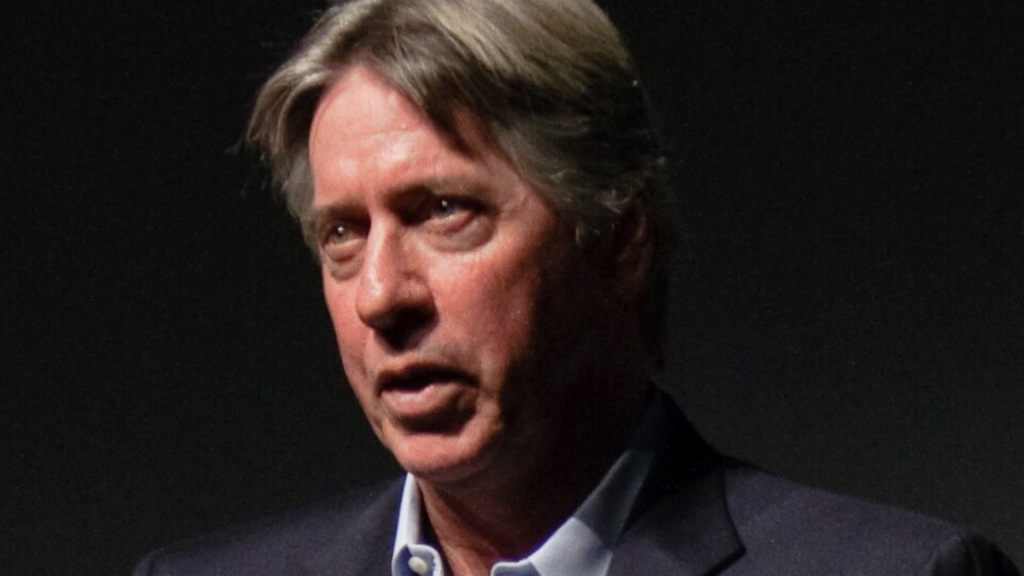
Photo by Anthony Skelton via Wikimedia Commons / Flickr (CC BY 2.0)
Alan Silvestri is responsible for some of the most instantly recognizable, high-octane themes in blockbuster history. From the time-traveling brass fanfares of Back to the Future to the soaring orchestral weight of Forrest Gump and The Avengers, his music understands momentum, wonder, and emotional clarity.
Silvestri’s true superpower lies in accessibility—his themes are bold, memorable, and emotionally direct, jumping effortlessly from intimate character dramas to multi-billion-dollar superhero epics.
9. John Barry – Elegance, restraint, and emotional weight
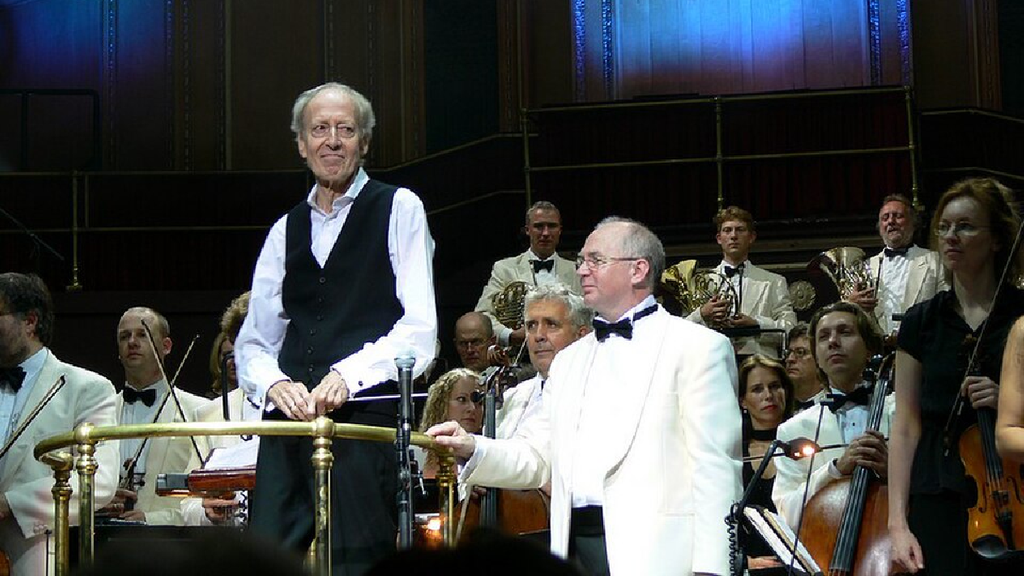
Photo by Geoff Leonard via Wikimedia Commons (CC BY-SA 1.0)
John Barry defined cinematic cool. His long association with the James Bond franchise gave 007 its definitive sonic identity, blending brassy jazz with lush orchestral arrangements.
Yet, Barry’s wider legacy thrives on understatement—long melodic lines, rich harmonies, and a sense of romantic melancholy that lingers beneath the surface. His Oscar-winning scores for Out of Africa, Dances with Wolves, and Somewhere in Time prove that restraint often carries more power than loudness.
8. Bernard Herrmann – The sound of obsession and fear
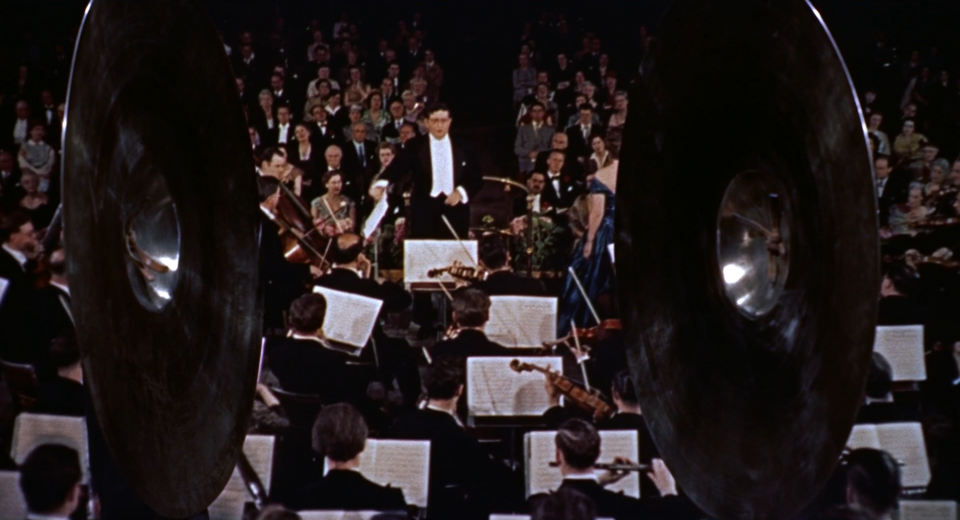
Image via Paramount Pictures / Public Domain
Bernard Herrmann didn’t score films—he psychologically invaded them. Best known for his historic, groundbreaking collaborations with Alfred Hitchcock (Psycho, Vertigo, North by Northwest), Herrmann used music as a narrative weapon to reveal what characters could not speak out loud.
By rejecting traditional, lush Hollywood arrangements in favor of stark, dissonant orchestration—like the screeching all-string ensemble in Psycho—he revolutionized thriller and horror soundscapes forever.
7. Howard Shore – Epic worlds and inner darkness
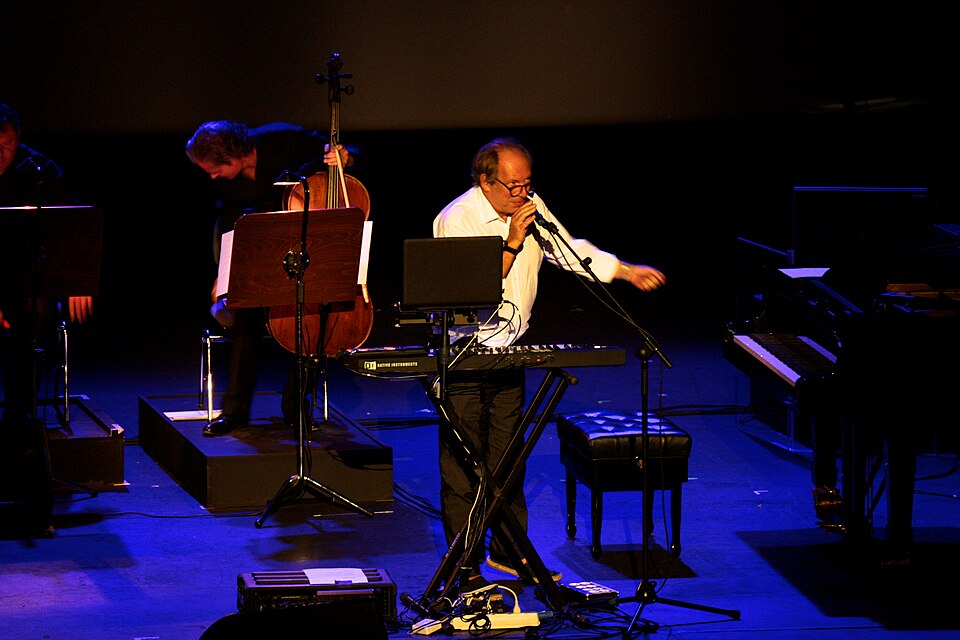
Photo by HelloAnnyong via Wikimedia Commons (CC BY-SA 3.0)
Howard Shore’s monumental score for Peter Jackson’s The Lord of the Rings trilogy stands as one of the greatest achievements in composition history—a sprawling opera utilizing over 80 distinct leitmotifs to build Middle-earth from the ground up.
Yet, Shore’s true gift lies in psychological depth and texture. His decades-long partnership with director David Cronenberg (The Fly, Dead Ringers) proves his unmatched versatility in crafting music that feels deeply unsettling, intimate, and human.
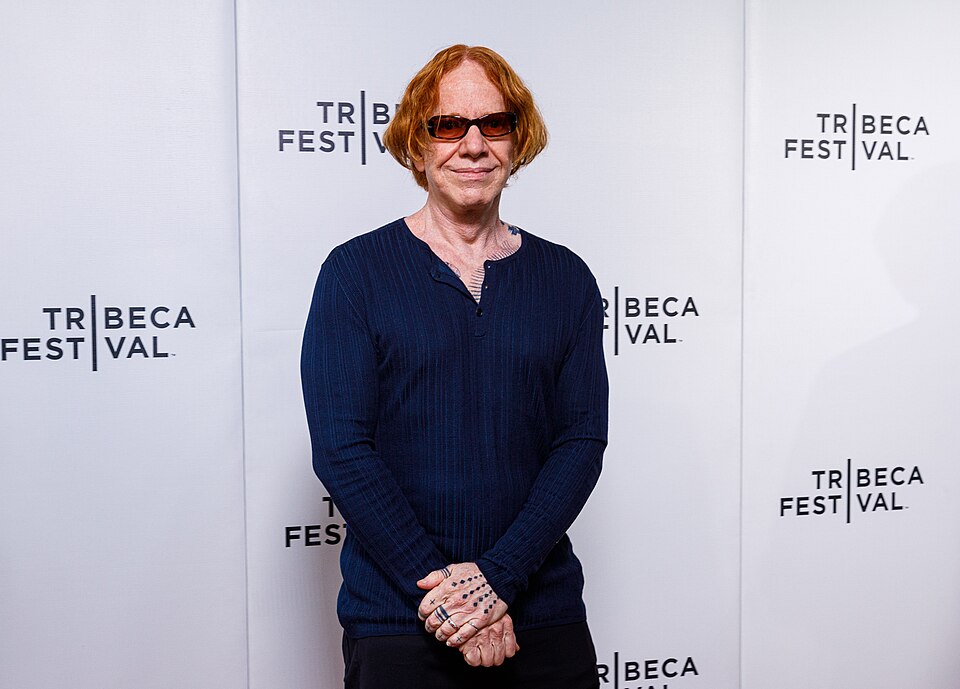
6. Danny Elfman – Gothic whimsy with a pop soul
Photo by Sachyn Mital via Wikimedia Commons (CC BY-SA 3.0)
Danny Elfman’s signature sound is unmistakable—playful, dark, kinetic, and emotionally charged. Bursting out of the new wave scene with Oingo Boingo into full-scale film scoring, his partnership with Tim Burton gave pop culture some of its most iconic sonic identities, including Batman (1989), Edward Scissorhands, and The Nightmare Before Christmas.
Elfman understands tonal balance better than almost anyone, weaving suburban nightmares, comic book heroes, and dark fairytales into vibrant musical tapestries.
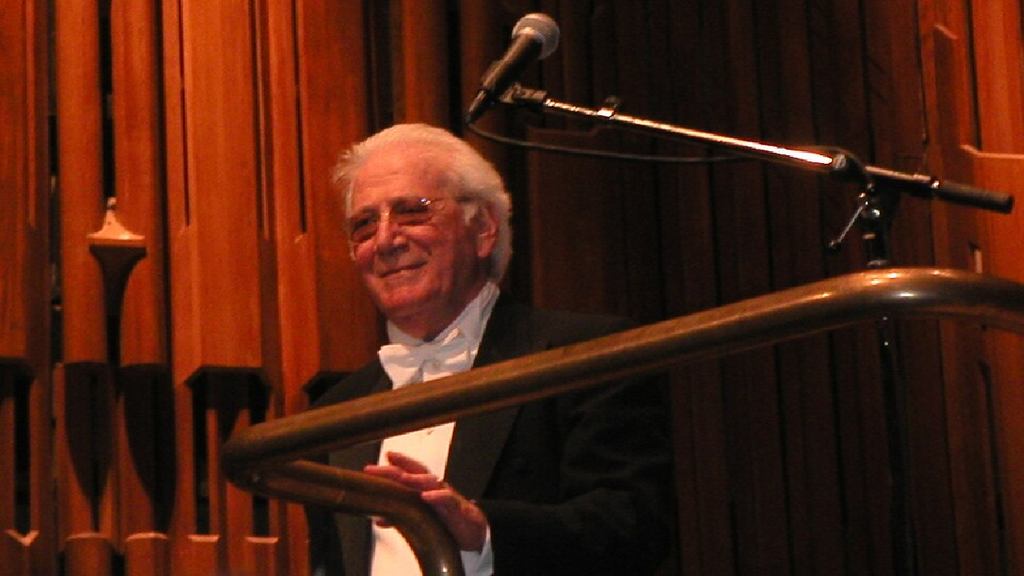
5. Jerry Goldsmith – The most versatile composer who ever lived
Photo by Frantisek Fuka via Wikimedia Commons (CC BY-SA 2.0)
Jerry Goldsmith was a chameleon who could score anything—and do it brilliantly. From the terrifying choral chants of The Omen to the trumpet-driven noir melancholy of Chinatown, the sci-fi majesty of Star Trek: The Motion Picture, and the groundbreaking avant-garde percussion of Planet of the Apes, Goldsmith constantly reinvented himself.
He embraced synthetic electronics, unusual meters, and atonal dissonance decades before it became fashionable in mainstream studio filmmaking.
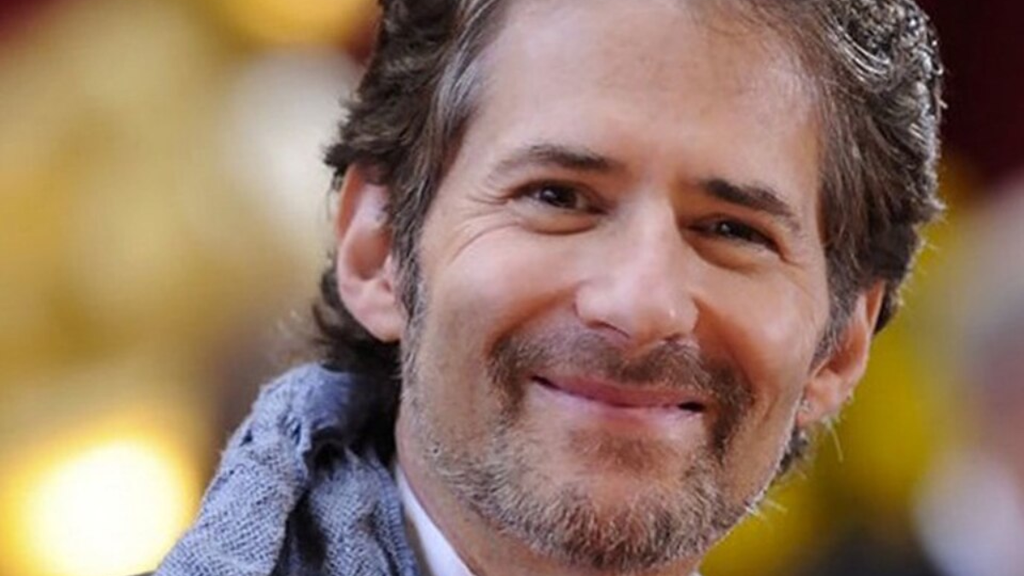
4. James Horner – Emotion at full volume
Photo by FERT98 via Wikimedia Commons (CC BY-SA 4.0)
James Horner possessed a rare instinct for making audiences feel—deeply, overwhelmingly, and unapologetically. His scores for Braveheart, Titanic, Field of Dreams, and Avatar combined sweeping Celtic melodies, intricate woodwinds, and mythic sincerity.
Horner’s music didn’t hold back; it soared straight for the emotional heart of every scene, creating some of the highest-selling orchestral soundtrack albums in record history.
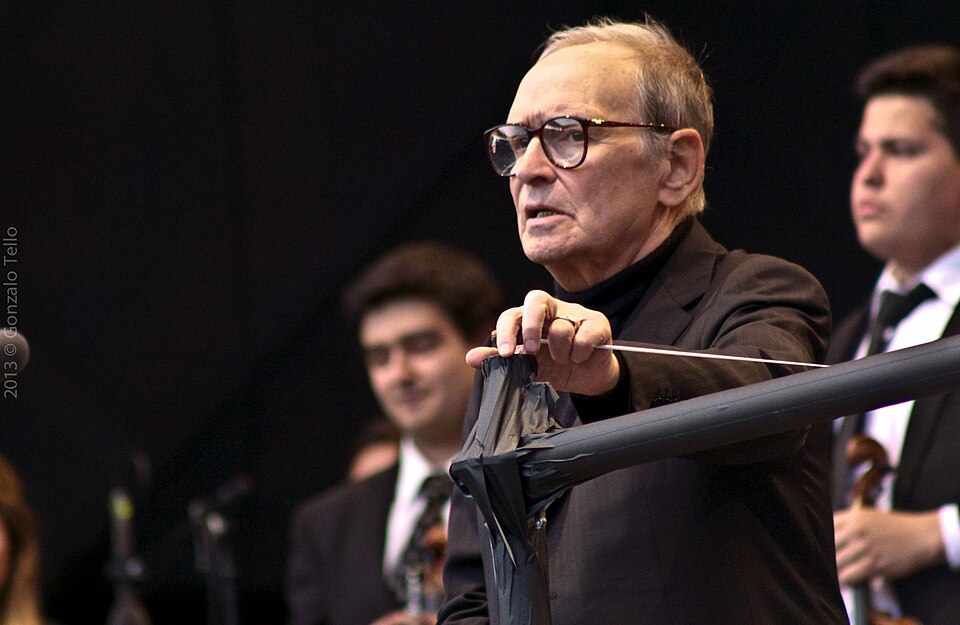
3. Ennio Morricone – Cinema as musical poetry
Photo by Gonzalo Tello via Wikimedia Commons / Flickr (CC BY 2.0)
The late Maestro Ennio Morricone exists in a category entirely his own. Across more than 400 film scores—including The Good, the Bad and the Ugly, Once Upon a Time in the West, The Mission, and Cinema Paradiso—Morricone redefined what a film score could accomplish.
He transformed Sergio Leone’s Spaghetti Westerns using whistling, electric guitars, ocarinas, and operatic vocals, blending experimental avant-garde techniques with heartbreaking melodic beauty. Morricone didn’t just support cinema; he challenged it.
2. Hans Zimmer – The architect of modern blockbusters
Photo by Victor R. Ruiz via Wikimedia Commons / Flickr (CC BY 2.0)
Hans Zimmer fundamentally rewritten the playbook for 21st-century film scoring. Pioneering the integration of electronic synthesizers, custom sound design, and heavy orchestral power, Zimmer’s work on Gladiator, The Dark Knight, Inception, Interstellar, and Dunereshaped the entire blockbuster landscape.
Rather than relying purely on classical melodies, Zimmer constructs massive sonic environments—turning ticking clocks, pipe organs, and distorted basslines into dramatic characters of their own.
1. John Williams – The heartbeat of movie magic
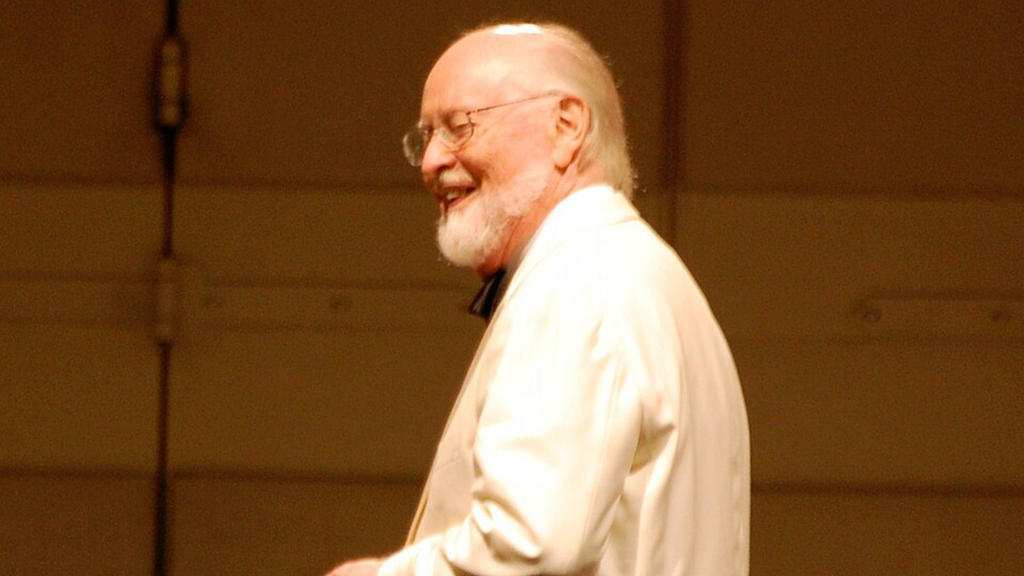
Photo by Alec McNayr via Wikimedia Commons / Flickr (CC BY-SA 2.0)
There is no film composer more deeply embedded in global pop culture than John Williams. Star Wars, Jaws, Indiana Jones, Jurassic Park, E.T., Harry Potter, Schindler’s List—his melodies transcend generations and borders, tapping into something primal, nostalgic, and universal.
Williams is not merely the greatest film composer who ever lived; he stands as one of the definitive orchestral giants in musical history.
Honorable Mentionson Film Composers
Max Steiner: The foundational father of film scoring (Gone with the Wind, Casablanca, King Kong).
Alexandre Desplat: Master of modern elegance and woodwind textures (The Grand Budapest Hotel, The Shape of Water).
Thomas Newman: The king of emotional minimalism and atmospheric piano motifs (American Beauty, The Shawshank Redemption, 1917).
Ludwig Göransson: The modern vanguard bridging hip-hop production, synth design, and classical scoring (Oppenheimer, Black Panther, The Mandalorian).
How legendary auteurs, iconic soundscapes, and timeless character performances shape Hollywood history.
The Verdict
The next time you queue up a movie, take a moment to turn down the distractions and listen closely to the score. Notice how a single brass fanfare can ignite adrenaline, or how a quiet cello motif can break your heart. Long after the credits roll and the screen goes dark, the music is what stays with us forever.
Who is your personal favorite film composer of all time? Is there a iconic score that you listen to outside of watching the movie? Drop your picks in the comments below!
Written by Paco Chanona
Paco Chanona is a filmmaker, screenwriter, and founder of Flicks n Pop. A Vancouver Film School alumnus with over 14 years in media production across Canada and Mexico, he covers film analysis, studio box office trends, and industry news.