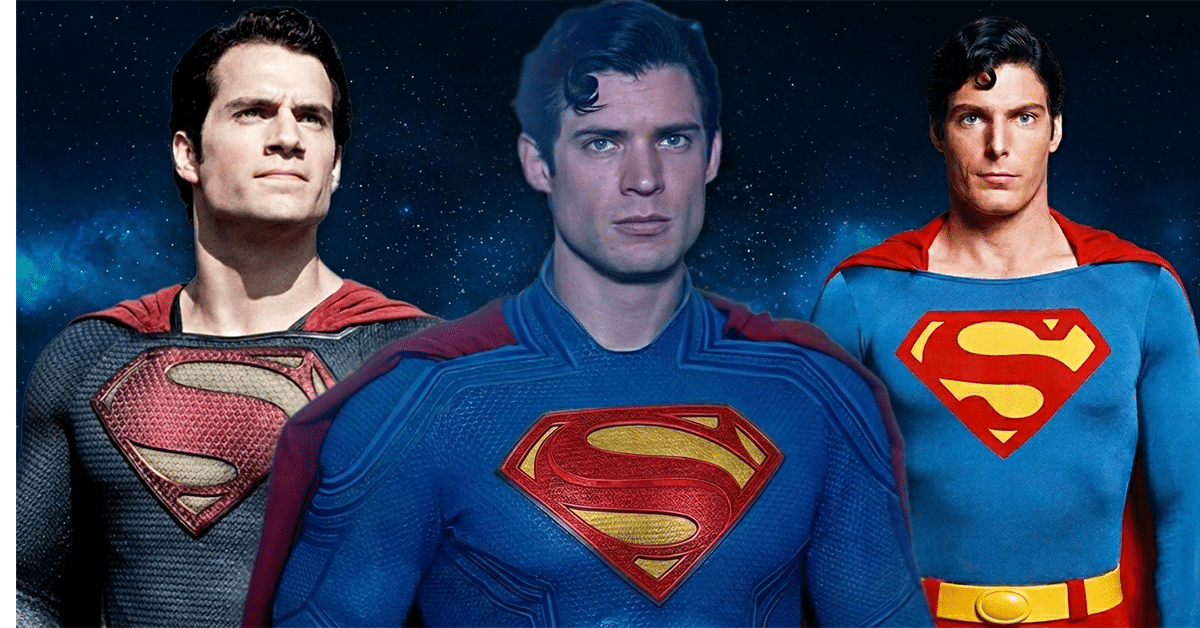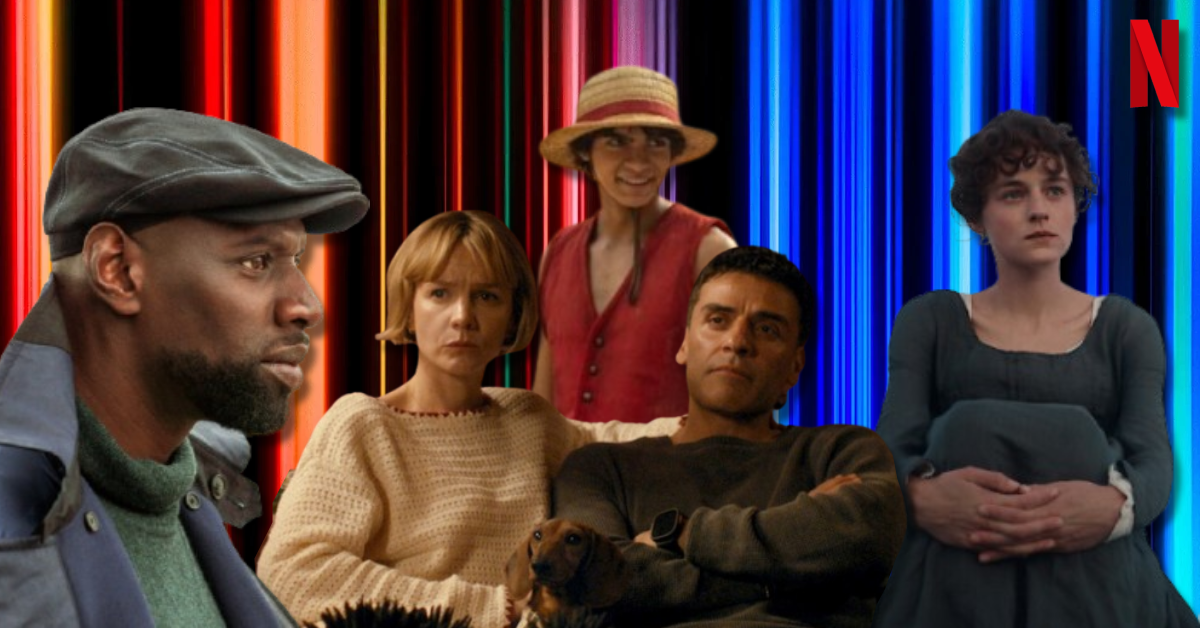
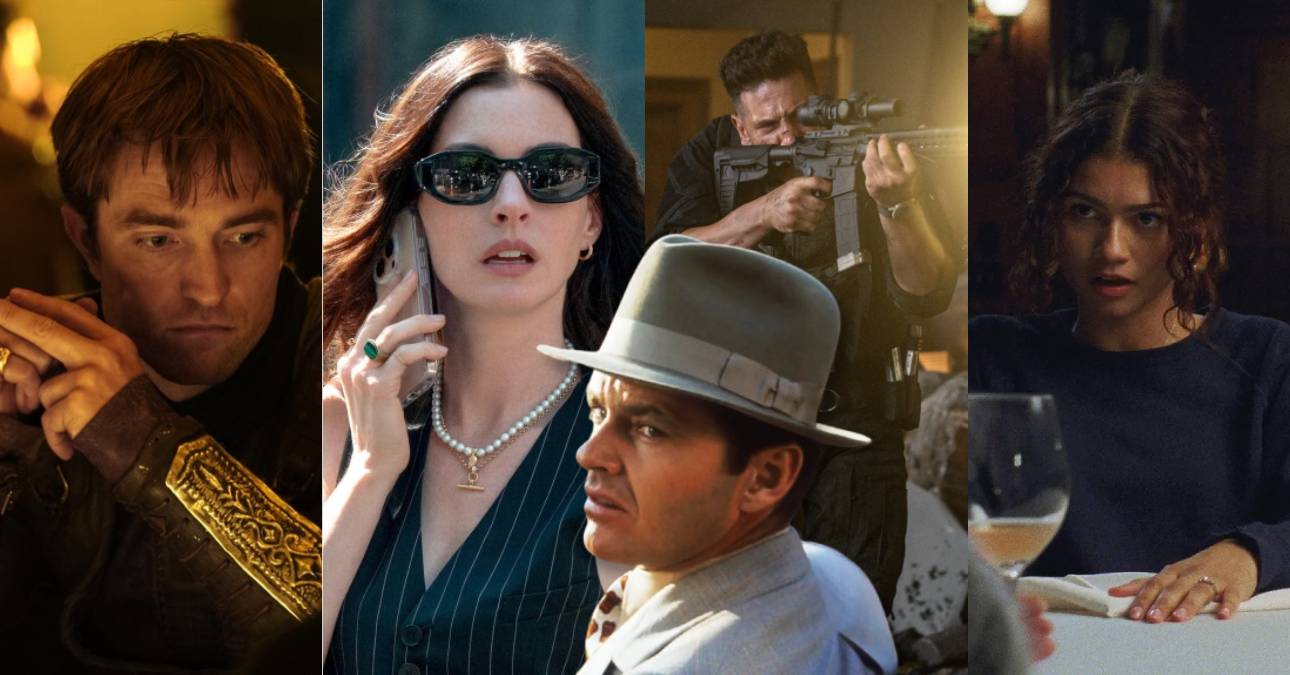
Thanks to social media, everyone now has an instant platform to debate pop culture. The problem? Current discourse across X, TikTok, and Letterboxd often suffers from recency bias. Fans frequently celebrate short, highly curated three-movie runs by modern stars—like Robert Pattinson, Tom Holland, or Timothée Chalamet—and immediately declare them historic, generational streaks.
While today’s young stars are certainly delivering impressive work, comparing a brief string of hits to the titans of cinema history misses the mark. Ethan Hawke recently weighed in on what he considers the single greatest film streak by any actor in movie history: Jack Nicholson’s legendary 11-year run from 1969 to 1980.
Unlike modern runs that are tightly managed, brief, and reliant on franchise safety nets (e.g., balancing one indie darling with one Marvel or Star Wars tentpole), Nicholson’s decade-defining era reshaped Hollywood culture through pure, unadulterated character work.
Ethan Hawke & The 1969–1980 Gold Standard
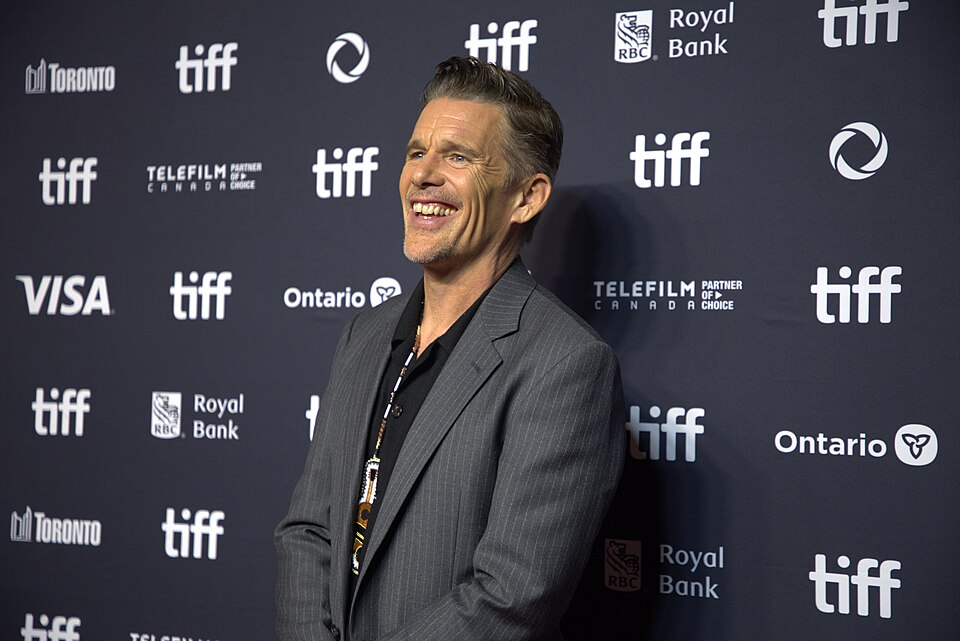
While social media continuously debates which modern star is having the ultimate moment—such as Zendaya’s massive slate with The Drama, The Odyssey, Spider-Man: Brand New Day, and Dune: Part Three—Ethan Hawke’s cinephile take refocuses the conversation on lasting impact. Real cinema runs aren’t just three good movies in a row; they are decade-defining eras where an actor fundamentally alters the culture.
Hawke highlights Nicholson’s 11-year streak between Easy Rider (1969) and The Shining (1980) as an unparalleled stretch. During this era, Nicholson collaborated with New Hollywood’s most iconic auteur directors, racking up multiple Academy Award wins and nominations while cementing pop-culture immortality.
The 11-Year Nicholson Masterclass (1969–1980)
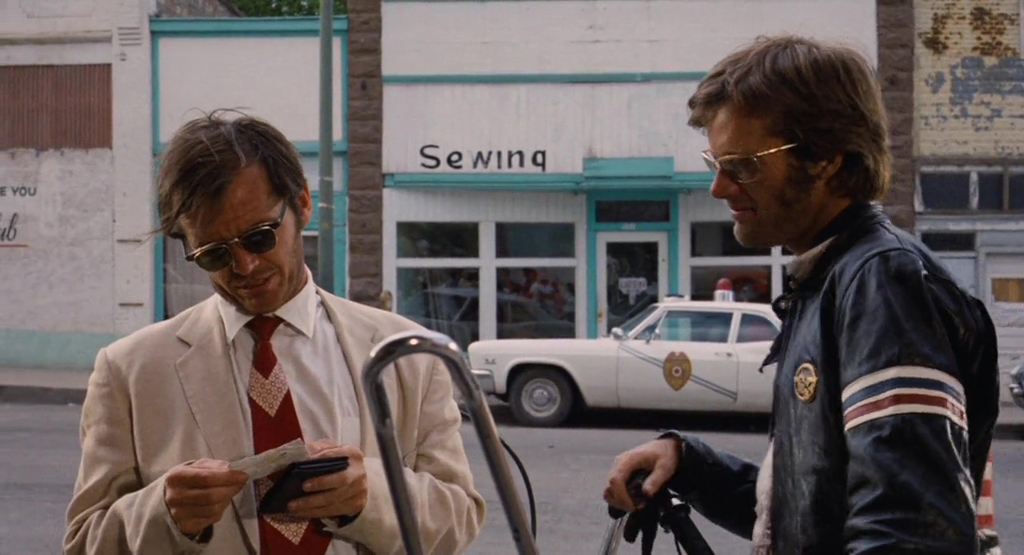
What makes Nicholson’s 11-year run so astonishing isn’t just the sheer volume of work (starring in roughly 17 feature films), but the flawless ratio of masterpieces to classic character studies.
Here are the key pillars that make this stretch arguably the greatest acting streak of all time:
- 1. Easy Rider (1969): The quintessential breakout role that launched the New Hollywood revolution, earning Nicholson his first Oscar nomination.
- 2. Five Easy Pieces (1970): Established his signature, anti-establishment rebel persona and landed him a Best Actor nod.
- 3. Carnal Knowledge (1971) & The Last Detail (1973): Raw, gritty character studies that earned him the Best Actor award at the Cannes Film Festival.
- 4. Chinatown (1974): Roman Polanski’s neo-noir masterpiece featuring one of the most iconic detective performances ever put on film.
- 5. One Flew Over the Cuckoo’s Nest (1975): A sweeping cultural phenomenon that swept the major Academy Awards, earning Nicholson his first Best Actor Oscar.
- 6. The Passenger (1975): Michelangelo Antonioni’s hypnotic, art-house classic that showcased his willingness to take massive international risks.
- 7. The Shining (1980): Stanley Kubrick’s psychological horror powerhouse that defined a generation of cinema and cemented Jack as an immortal pop-culture icon.
Why Modern Actor Runs Can’t Replicate It
Modern stars operate in a fundamentally different industry landscape. Today’s actors are bound by corporate studio mandates, endless green-screen blockbusters, and social media algorithms.
In the 1970s, character-driven adult dramas were the primary event at the box office. Today, movie-star charisma takes a backseat to brand recognition—audiences often buy tickets for the IP rather than the actor leading it. While stars like Robert Pattinson take incredible indie risks, the relentless demand of franchise scheduling continuously disrupts that artistic momentum.
🍿 RECOMMENDED READ:
Beyond the Box Office: How Zendaya (and a Surprising Top 5) Are Dominating 2026’s Grosses
An in-depth breakdown of modern star power, box office pull, and shifting studio slate dynamics.
The Verdict
While today’s stars are pulling off impressive work, Jack Nicholson’s 1969–1980 streak combined box office dominance, prestige auteur collaborations, and deep cultural longevity in a way modern Hollywood simply cannot replicate. Ethan Hawke is right: when it comes to a decade of pure cinematic perfection, Jack stands alone.
Is Jack Nicholson’s 1969–1980 run the undisputed champion in film history, or do you think Al Pacino (1972–1983) or Robert De Niro (1973–1980) give him a run for his money? Who holds the best modern streak? Drop your picks in the comments below!

Written by Paco Chanona
Paco Chanona is a filmmaker, screenwriter, and founder of Flicks n Pop. A Vancouver Film School alumnus with over 14 years in media production across Canada and Mexico, he covers film analysis, studio box office trends, and industry news.