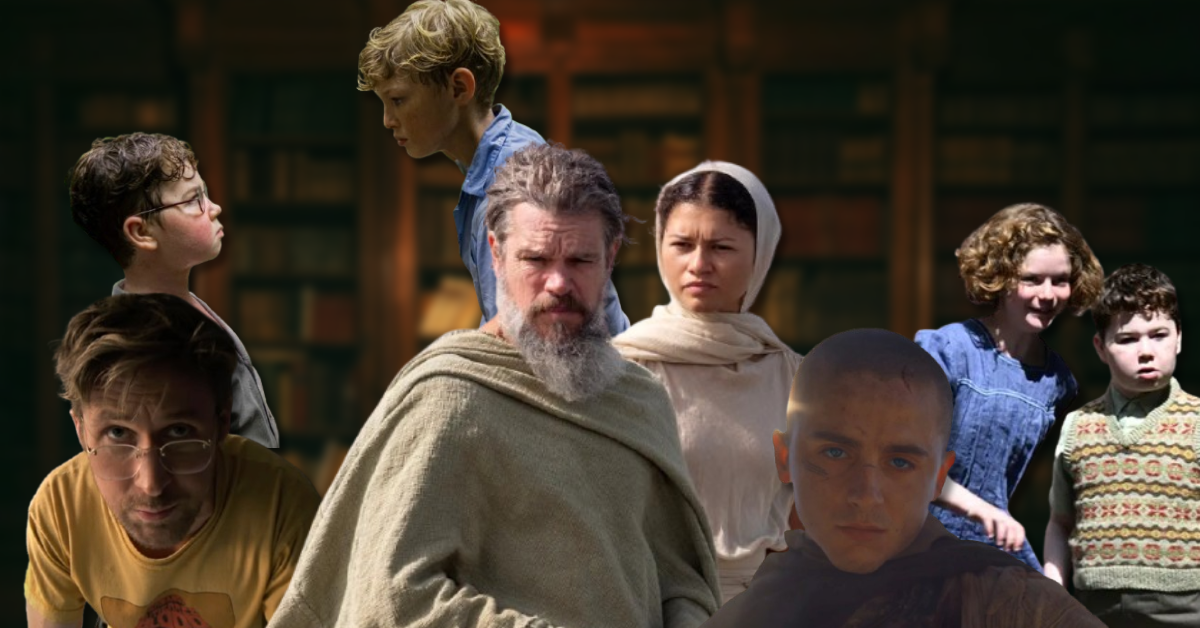
In modern Hollywood, a casting call from Christopher Nolan is usually treated like an un-rejectable mandate. Following his monumental Academy Award® sweep with Oppenheimer, the director’s cultural leverage has reached an all-time high. Nolan recently revealed that for his upcoming mythic action epic, The Odyssey, almost every major star attached signed on the dotted line before ever reading a single page of the script. Everyone, that is, except Robert Pattinson.
Pattinson’s insistence on reviewing the screenplay before accepting the role caused a minor stir behind the scenes. According to industry insiders, when the actor asked to see the pages, Nolan jokingly responded, “You actually want to read it? Everyone else just said yes.” For anyone tracking Pattinson’s career trajectory, this moment isn’t a sign of arrogance; rather, it marks the definitive climax of one of the most fascinating, fiercely independent artistic evolutions in modern cinema.
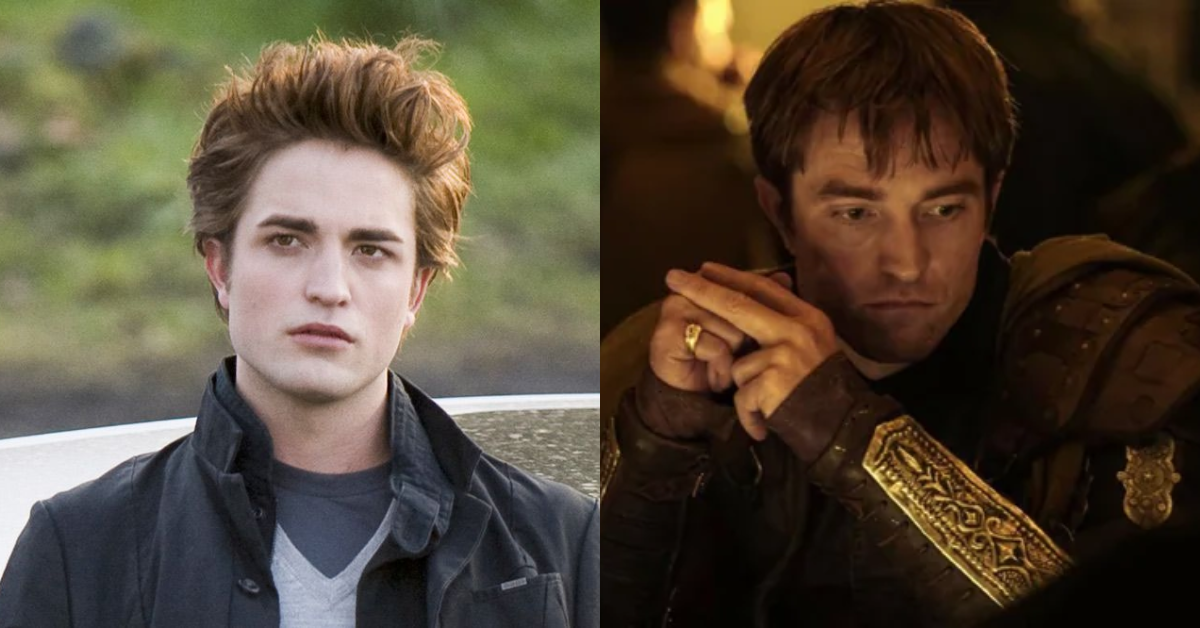
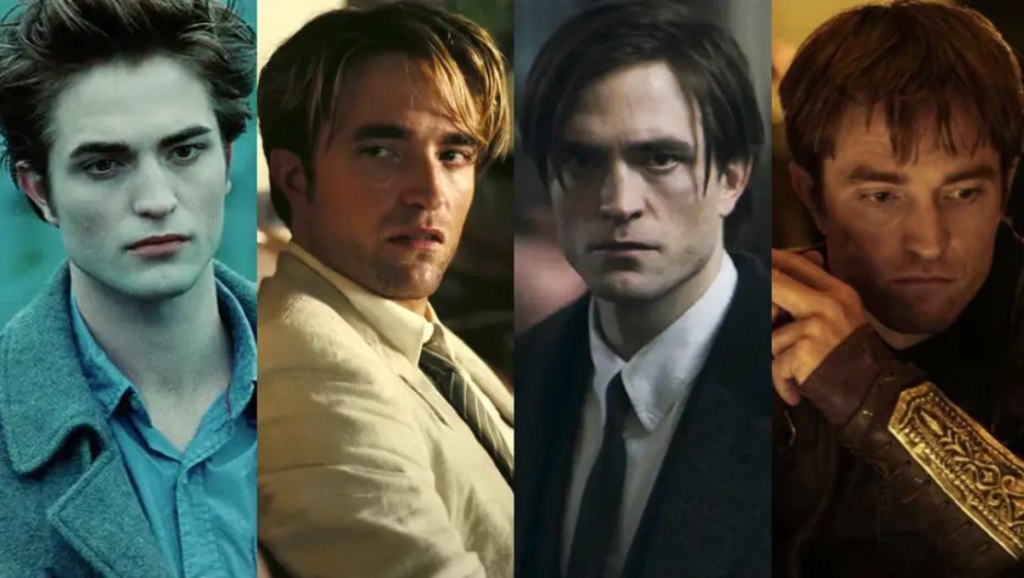
This news comes as a surprise to casual observers who still associate Pattinson with the teen romance phenomenon of the Twilight saga. However, over the last decade, the actor has worked tirelessly to dismantle his old heartthrob image, transforming himself into one of the most respected, auteur-driven actors of his generation.
The Retrospective Career of Robert Pattinson
1. Escaping the Golden Cage of Twilight
Fourteen years ago, Pattinson was effectively trapped inside the monochromatic box of global teen superstardom. While the Twilight franchise made him an overnight household name and a billion-dollar asset for major studios, it left him creatively suffocated. Early attempts at traditional leading-man roles in romantic dramas like Remember Me and Water for Elephants failed to break the mold.
As a director, I look at what he did next as an absolute masterclass in career reinvention. Instead of chasing easy superhero paychecks or generic action-hero vehicles, Pattinson deliberately went to “film school” with the world’s most uncompromising auteurs. He surrendered his ego to the singular, chaotic visions of David Cronenberg (Cosmopolis), the Safdie Brothers (Good Time), and Robert Eggers (The Lighthouse). He traded blockbusters for low-budget indie sets, learning his craft from the ground up and earning the respect of cinephiles worldwide.
2. The Shift from Studio Star to Auteur Collaborator
By subjecting himself to intense, character-driven independent filmmaking, Pattinson learned a vital lesson: the script and the character’s psychological truth matter far more than the director’s branding. When he finally made his triumphant return to big-budget cinema, he did so entirely on his own terms. Working with Nolan on Tenet and Matt Reeves on The Batman, he wasn’t operating as a studio puppet; he was an equal creative collaborator.
Demanding to read the script for The Odyssey is a protective boundary. He is an artist who fought tooth and nail to earn his autonomy, and he refuses to build blindly. He knows that a compelling performance requires a concrete structural foundation, regardless of who is sitting in the director’s chair.
A Spectacular 2026 Slate
Pattinson’s unique philosophy has led to one of the most enviable, diverse filmographies in the industry today. At 40 years old, he has successfully bridged the gap between elite secondary player and bankable leading man, entirely bypassing traditional Hollywood typecasting:
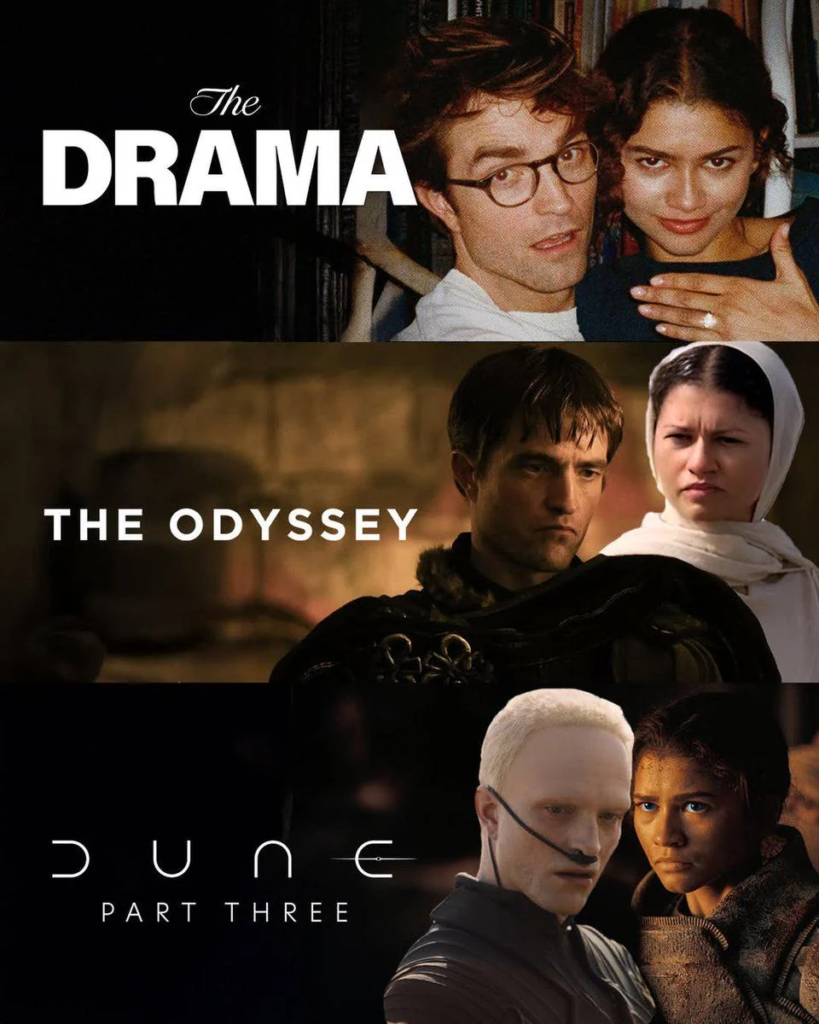
The Odyssey (July 17, 2026): Pattinson is set to play Antinous, one of the ruthless, primary suitors invading Odysseus’s home. The role allows him to lean back into a darker, antagonistic space opposite Matt Damon and Anne Hathaway.
Mickey 17: Collaborating with Oscar-winner Bong Joon Ho in a mind-bending sci-fi narrative that relies heavily on Pattinson’s gift for eccentric physical comedy.
Dune: Part Three: Newly added to Denis Villeneuve’s expanding sci-fi epic, further proving that prestige directors view him as a premier asset.
The Drama: Starring alongside Zendaya, this film once again showcased his impressive range and proved his leading-man status in a smaller-scale, more intimate story.
Conclusion: The Value of Autonomy
Ultimately, the anecdote shared by Christopher Nolan highlights exactly why Robert Pattinson is so vital to modern cinema. He isn’t searching for cheap fame or corporate security; he is searching for great stories. By holding his ground and demanding to see the text before committing his time, he serves as a reminder that the script remains the ultimate authority on a film set. The film industry may be obsessed with franchises and known IPs, but Pattinson’s tenacity proves that true star power lies in the willingness to say “no” until the art is right.
What do you think about Robert Pattinson’s career after the Twilight series? Let us know in the comments!