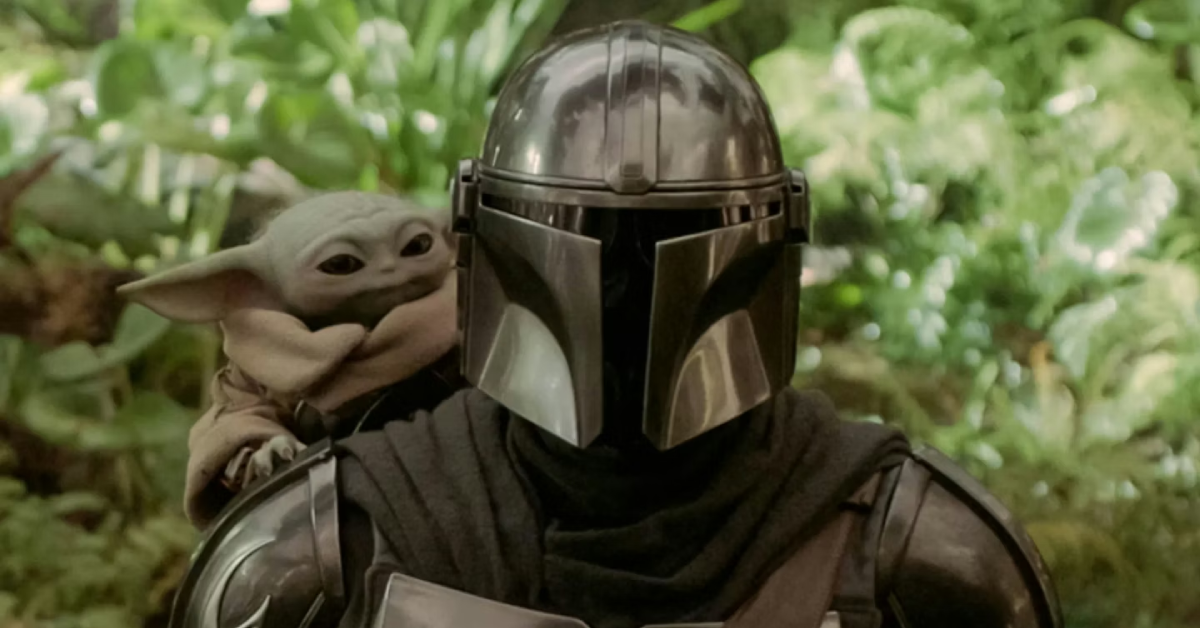
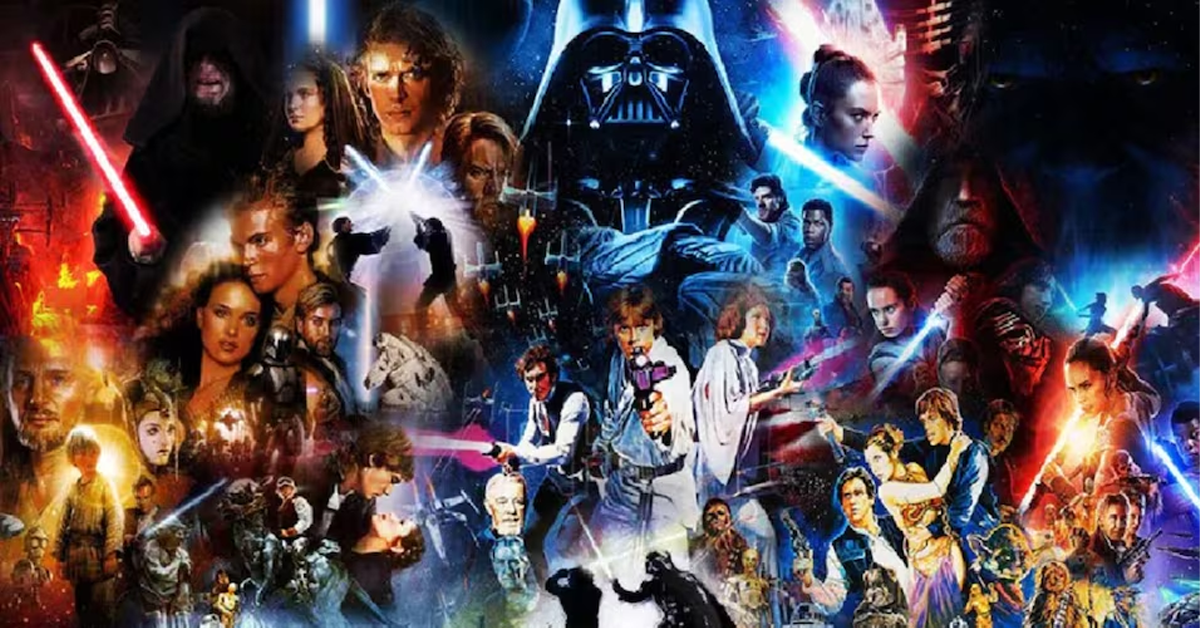
Yesterday, May 25, 2026, marked exactly 49 years since George Lucas changed cinema forever with the premiere of Star Wars: A New Hope. Today, the galaxy looks entirely different. While film critics are offering lukewarm reviews, the fanbase is speaking with its wallets. The Mandalorian and Grogu has officially wrapped up its four-day Memorial Day opening weekend, and the box office data tells a story of a highly protected, meticulously calculated Disney investment.
When Lucasfilm first announced its return to cinemas after a seven-year big-screen hiatus following the deeply polarizing Episode IX: The Rise of Skywalker (2019), the choice raised plenty of eyebrows. Transitioning a flagship Disney+ streaming show into a theatrical feature film felt like a risky gamble. Yet, even if this debut doesn’t match the historic, billion-dollar heights of the Sequel Trilogy, it proves that Mando and “Baby Yoda” command a fiercely loyal audience willing to trade their couches for theater seats.
The Director’s Insight: The Economic “Safety Net”
As a director, I look at these opening numbers through a practical production lens rather than the “doom-and-gloom” headlines circulating online. Yes, a $163 million global opening sits on the lower tier of traditional Star Wars theatrical launches. However, we have to talk about the financial safety net built entirely into this project’s architecture.
Unlike Solo: A Star Wars Story or The Rise of Skywalker, which suffered from astronomical, runaway budgets due to massive reshoots, The Mandalorian and Grogu was kept to a incredibly lean $165 million production budget. According to The Hollywood Reporter, the film only needs to clear roughly $500 million globally to become theatrically profitable.
But the real secret to this corporate masterclass is that Disney isn’t just counting ticket stubs:
Ad Partnerships: The film launched with over $100 million in global promotional partnerships, spanning massive co-branded campaigns with major corporate brands.
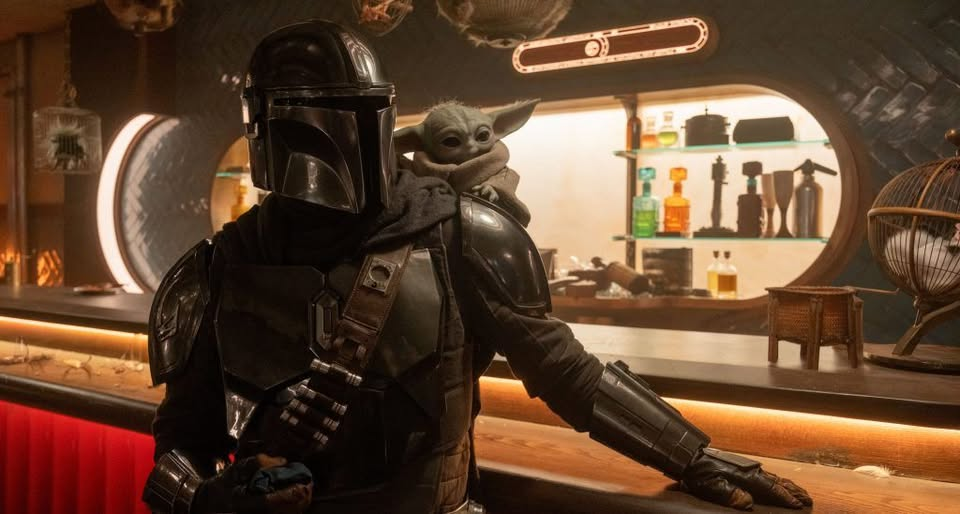
The Merchandising Machine: The commercial ecosystem surrounding Grogu remains an absolute goldmine. From high-end figures to mainstream toys, the character’s retail footprint essentially guaranteed profitability before the first fan ever sat in an IMAX theater.
These The Mandalorian & Grogu box office numbers, along with the franchise’s strong 2025 performance, envision a brighter future for the galaxy far, far away created by George Lucas.
The Dave Filoni Era: Stepping Out of the Television Sandbox
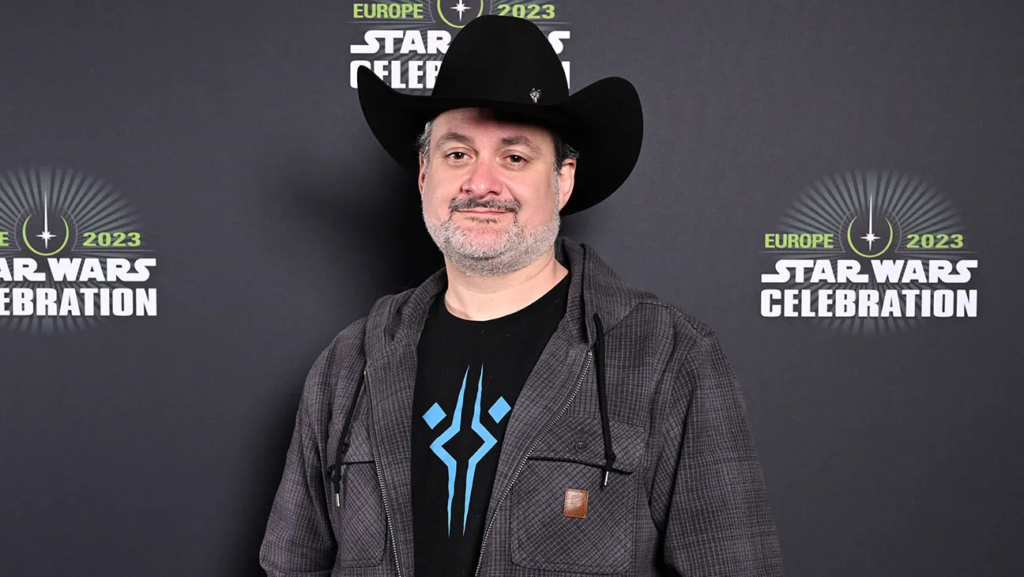
This movie marks the first major theatrical test of the post-Kathleen Kennedy era, with Dave Filoni now steering the ship as Chief Creative Officer of Lucasfilm. Filoni, a direct protégé of George Lucas, has spent years winning over fans through acclaimed animated and live-action television projects.
However, managing an episodic streaming universe is vastly different from delivering a self-contained, two-hour theatrical narrative. While some critics argue that the movie feels too much like a glorified, big-budget television finale, Filoni’s primary mission was to stabilize a fractured fanbase. By leaning heavily into the comfort food of the “Mando-verse,” he has successfully re-established Star Wars as a viable box office presence.
Star Wars: Starfighter—The Real Theatrical Litmus Test
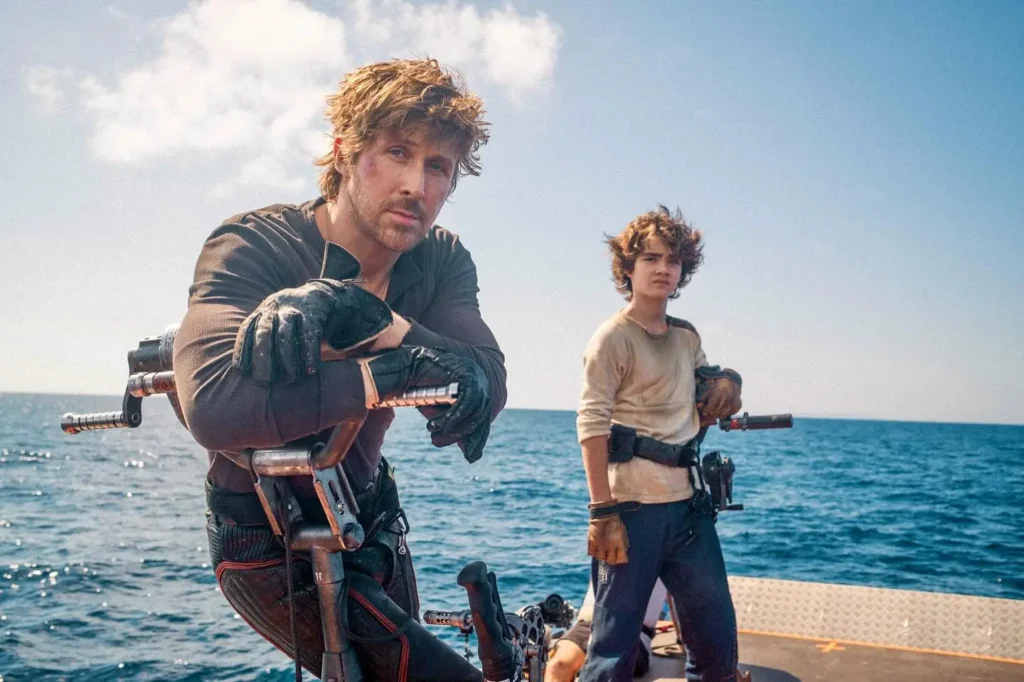
While The Mandalorian and Grogu acts as a safe, nostalgia-driven bridge, the true litmus test for the franchise’s cinematic future will arrive in May 2027 with Star Wars: Starfighter.
This upcoming project is the breath of fresh air audiences have been demanding for a decade. Rather than relying on the decades-old Skywalker lineage or characters born on streaming platforms, Starfighter is set to introduce an entirely original cast, exploring uncharted eras of the galaxy far, far away.
The Verdict
Disney’s modern era of Star Wars has undoubtedly faced more cinematic stumbles than outright creative victories, especially when it comes to long-term fan satisfaction. While The Mandalorian and Grogu won’t break all-time box office records, its financial structure makes it a massive, low-risk victory for the studio. It proves that the brand can adapt to a changing economic landscape, setting a healthy, sustainable foundation for Dave Filoni’s new vision to truly take flight.
So, what are your thoughts on The Mandalorian & Grogu? Have you watched it? Are you still a fan of Star Wars?


2 thoughts on “49 Years of the Force: Why The Mandalorian and Grogu’s $163M Opening is a Strategic Win for Disney”