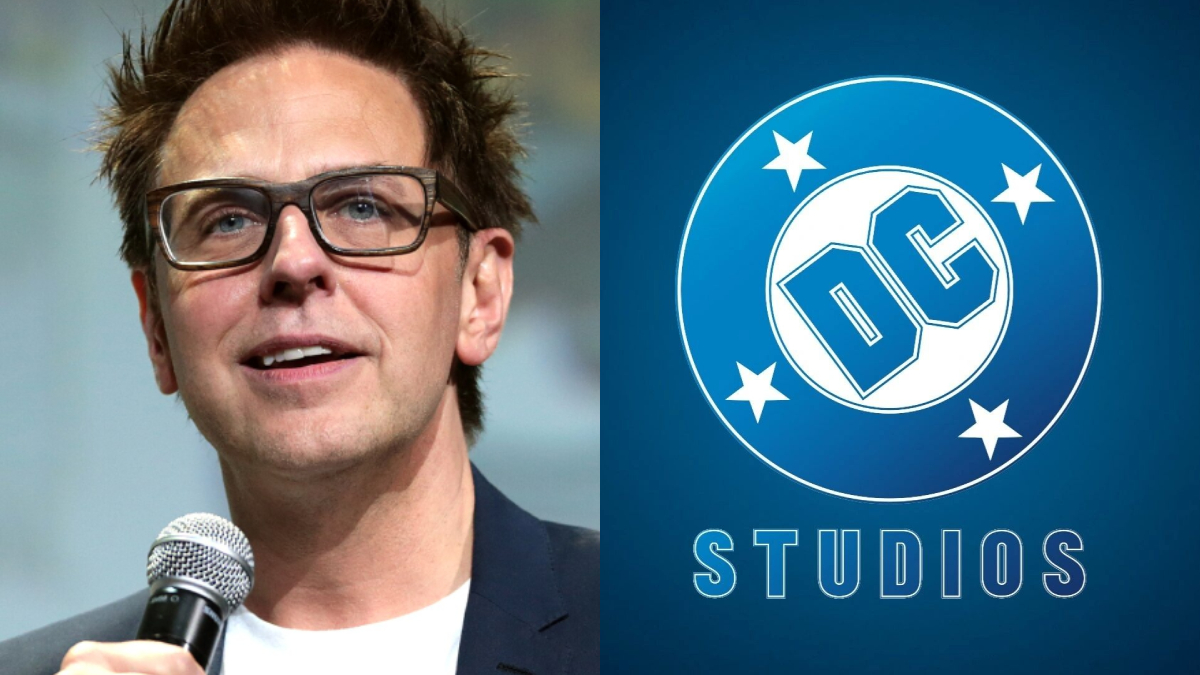
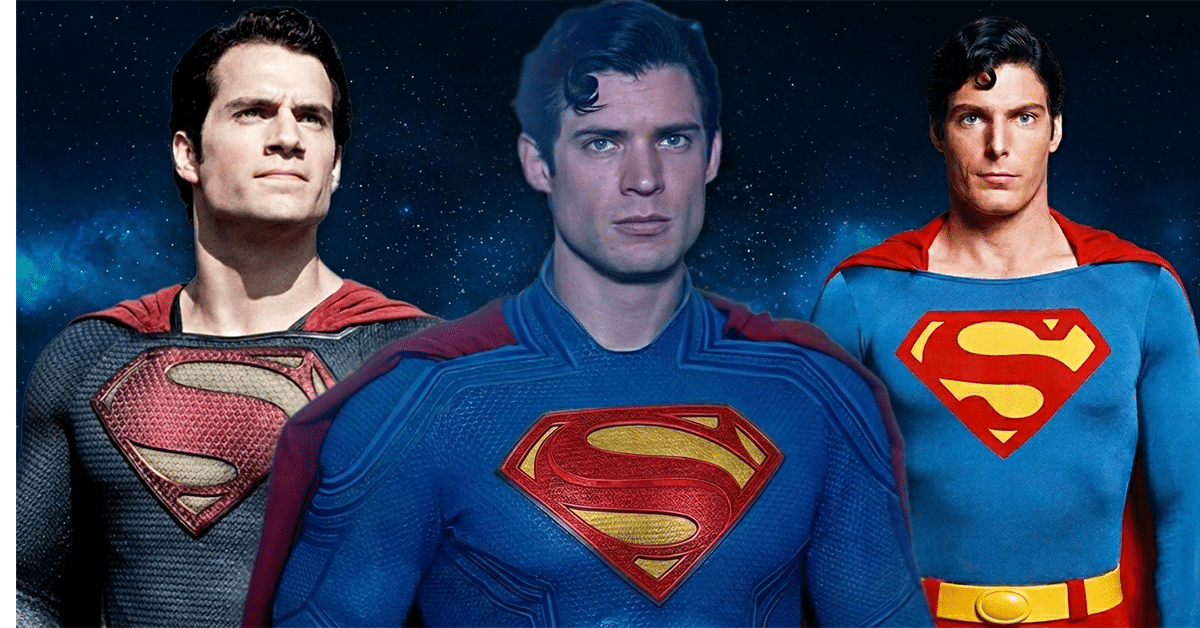
The fallout from Skydance’s $110 billion acquisition of Warner Bros. Discovery continues to send massive shockwaves across the entertainment industry. Following the sudden announcement that DC Studios co-heads James Gunn and Peter Safran are stepping down on December 1 after four years in executive suites, incoming Skydance leadership officially tapped former Marvel Studios executive Jeremy Latcham as the new President and Chief Creative Officer.
Latcham was an essential architect of the early Marvel Cinematic Universe—serving as a senior vice president who helped steer Iron Man, The Avengers, Guardians of the Galaxy, and Spider-Man: Homecoming. While Kevin Feige and Jon Favreau often absorb the lion’s share of historical praise for launching Phase 1, Latcham’s track record proves he understands how to build interconnected four-quadrant blockbusters from the ground up.
Now, with Skydance facing immense pressure to pay down merger debt and maximize global theatrical returns, DC fans are left wondering: Does Latcham throw out Gunn’s blueprint, or rebuild DC’s strategy from within?
Here are the four potential scenarios for the future of DC Studios under its new leadership.
Scenario 1: The Full MCU Formula (Mainstream Heavyweights First)
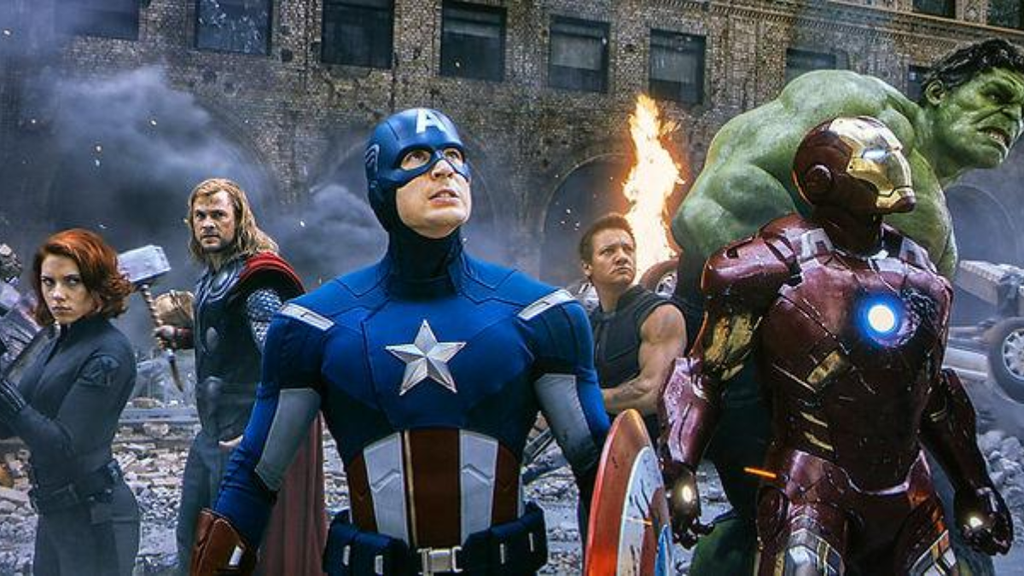
Image via Marvel Studios / Walt Disney Studios
The Pitch: Latcham applies the Phase 1 Marvel strategy directly to DC. Focus strictly on the core “Trinity”—Superman, Batman, and Wonder Woman—and primary A-list heroes before touching obscure, secondary spin-offs.
The Execution: Shelve or re-evaluate derivative side-projects (such as Creature Commandos or niche television concepts) to concentrate production capital and marketing focus into massive, main-stage theatrical events.
For general audiences weary of tracking niche anti-heroes, this scenario represents a return to classical superhero storytelling. By pairing four-quadrant spectacle with emotional weight, Latcham could build the clean, accessible foundation that DC has struggled to establish for over a decade.
Scenario 2: The Hybrid Model (Keep Gunn’s Foundations, Tweak the Tone)
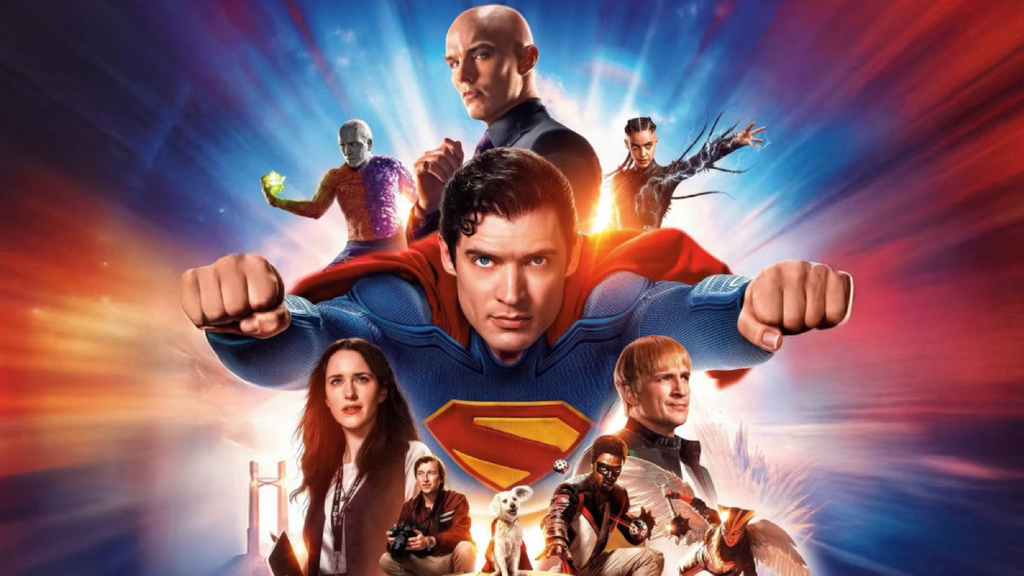
Image via DC Studios / Warner Bros. Pictures
The Pitch: Honor the major slate already completed or in post-production (Superman: Man of Tomorrow, Lanterns, The Batman: Part II) while recalibrating greenlights for 2028 and beyond.
The Execution: Retain David Corenswet’s Superman as the flagship cinematic anchor, but shift away from R-rated indie experiments like Clayface toward broad, multi-generational family spectacles.
This approach respects the momentum already built—such as the strong 2025 debut of Superman ($618M worldwide) and the success of Lanterns—while adjusting the creative vision. Latcham, who produced Dungeons & Dragons: Honor Among Thieves, understands how to blend ensemble charm with studio scope without burning down the existing house.
Scenario 3: The Ultimate Fold-In (Robert Pattinson Joins the Main DCU)
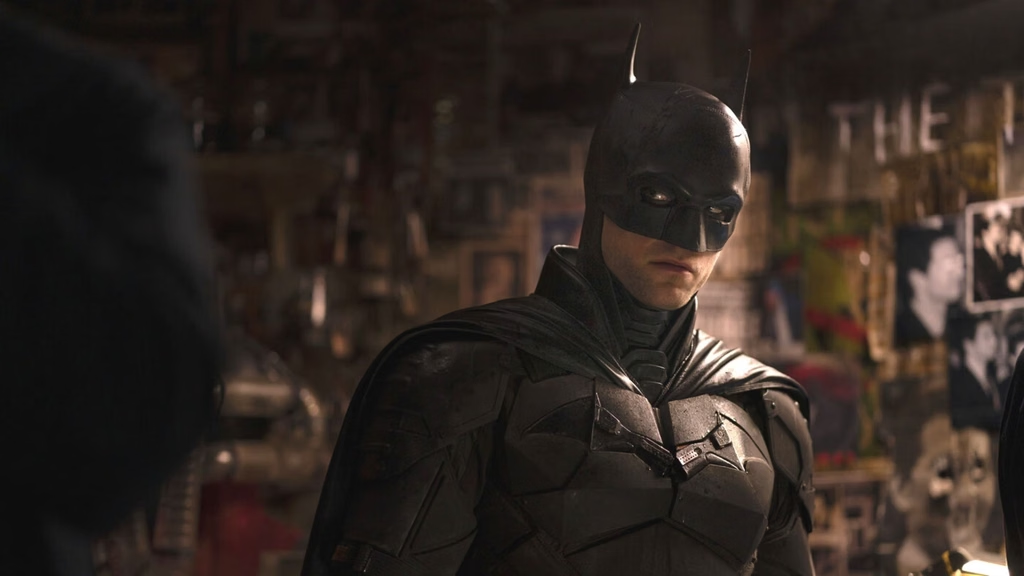
Image via Warner Bros. Pictures / DC Films
The Pitch: Solve DC’s persistent “two-Batman problem” by formally integrating Matt Reeves and Robert Pattinson’sThe Batman universe into the main DC Universe.
The Execution: Rather than casting a separate Dark Knight for Batman: The Brave and the Bold, Skydance uses its executive leverage to position Pattinson as the definitive Batman alongside Corenswet’s Superman.
While Matt Reeves initially envisioned his Gotham as an isolated Elseworlds sandbox, folding Pattinson into the main continuity would immediately solve DC’s fragmented brand identity. For fans longing to see a grounded Gotham interact with a cosmic Metropolis, this move would turn ongoing studio friction into an instant win.
Scenario 4: The Total Hard Reboot (A Clean Slate for 2028)
Image via DC Studios / Warner Bros. Discovery
The Pitch: A complete corporate reset. Allow currently finished 2026–2027 releases to run their course as legacy titles, then hit the pause button to launch a ground-up universe in 2028.
The Execution: High risk, but it eliminates all lingering baggage from both the Snyderverse era and the transitional Gunn phase.
This is the scenario fans dread most—another complete universe restart. However, if Skydance decides that past continuity entanglements are capping global box office potential, Latcham could be instructed to clear the board entirely for a brand-new 10-year master plan.
How mid-budget genre cinema and distinct directorial visions initially reshaped the modern superhero landscape.
The Verdict: Why Latcham Holds the Advantage
Jeremy Latcham taking the helm at DC Studios may prove to be the best possible outcome for all parties. James Gunn has been candid about his distaste for corporate executive burdens—admitting that the administrative side of the job was trying—and returning full-time to writing and directing allows him to focus on what he does best.
Latcham brings an optimal mix of Marvel structure and independent producing flair. While studio purists might fear the loss of risky, experimental projects like Clayface, Skydance’s mandate is clear: deliver massive, consistent, global theatrical hits. By focusing on A-list icons and broad audience appeal, Latcham may finally give DC fans the stable, high-quality universe they’ve been waiting for.
Which of the 4 scenarios should Jeremy Latcham pursue for the future of DC Studios? Should DC fold Robert Pattinson into the main DCU, or stick to a hybrid model? Let us know your thoughts in the comments below!
Written by Paco Chanona
Paco Chanona is a filmmaker, screenwriter, and founder of Flicks n Pop. A Vancouver Film School alumnus with over 14 years in media production across Canada and Mexico, he covers film analysis, studio box office trends, and industry news.