A seismic shockwave just hit Hollywood. Only weeks after the finalized $110 billion acquisition of Warner Bros. Discovery created the newly consolidated Skydance mega-studio, executive leadership has pulled the trigger on a massive DC pivot.
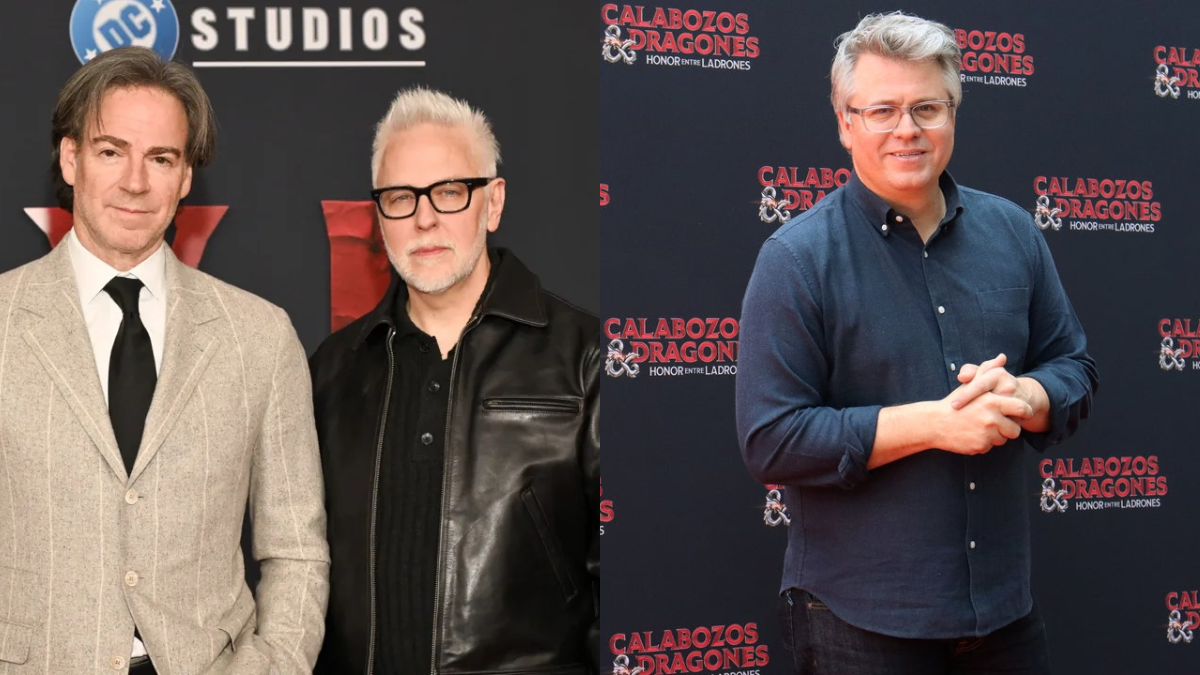
Skydance has officially announced that James Gunn and Peter Safran are stepping down as co-heads of DC Studios. Effective December 1, former Marvel Studios executive and Iron Man / Spider-Man: Homecoming producer Jeremy Latcham takes over as President and Chief Creative Officer.
The executive swap lands at a critical crossroads. Four years after Gunn and Safran took the reins, fans have openly questioned a slate strategy that prioritized obscure, derivative properties over DC’s core Trinity. Now, with an architect of the Marvel Cinematic Universe taking the wheel, is DC Studios preparing to run the classic MCU playbook?
James Gunn and Peter Safran are stepping down as co-heads of DC Studios after four years:
• Marvel Studios veteran Jeremy Latcham will take over as president and chief creative officer on Dec. 1
• Gunn and Safran will “return full time to their creative work” ahead of “Man of… pic.twitter.com/LfJGthQSKd
From Gunn’s Niche Lore to Latcham’s Marvel Playbook
Images via DC Studios / Warner Bros. Discovery
1. Gunn’s Derivative Focus vs. Box Office Realities
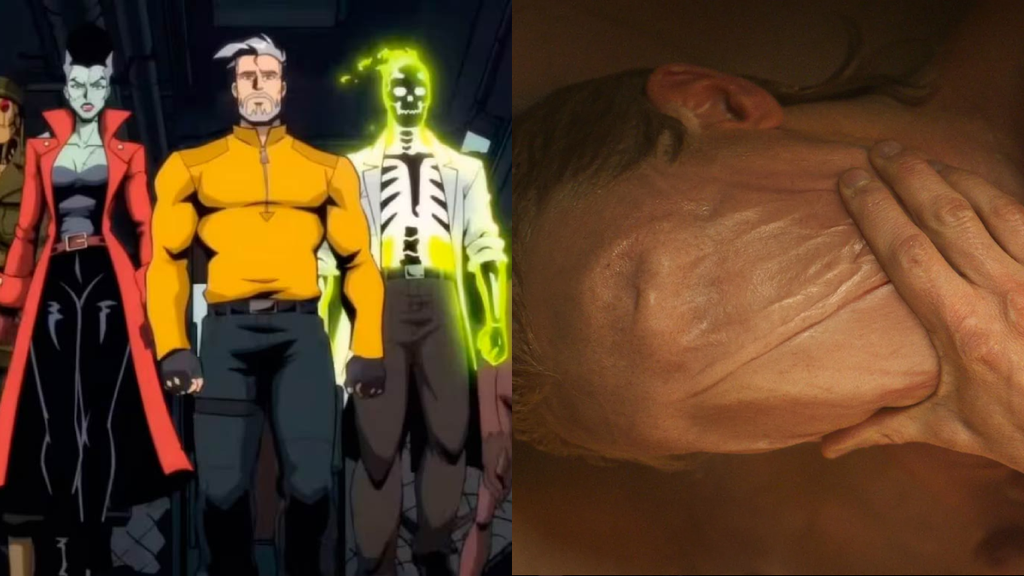
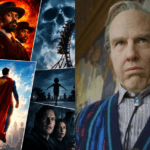
While Gunn’s Superman (2025) delivered a solid $618 million worldwide return, his broader slate leaned heavily into obscure IP—ranging from Creature Commandos and R-rated character studies like Clayface to oddball projects like The People v. Gorilla Grodd. When Supergirl underperformed earlier this summer, studio observers began openly questioning whether leading a cinematic universe with secondary side-characters was a viable long-term strategy.
2. The Marvel Blueprint Strategy
Jeremy Latcham spent over a decade inside Kevin Feige’s early Marvel brain trust, helping guide Iron Man, The Avengers, and Guardians of the Galaxy to the screen. He understands how to build broad, interconnected audience momentum anchored by recognizable heavyweights. Skydance, saddled with massive corporate merger debt, needs high-ROI theatrical blockbusters—not experimental indie-style experiments.
3. The Corporate Realignment Quote
Latcham’s official statement leaves little doubt about the tactical shift:
“DC’s pantheon of characters is among the most iconic in American popular culture. I’ve had the privilege of helping bring some of the most acclaimed superhero stories to the big screen, and I’m excited and honored by the opportunity to lead DC Studios into its next era. The chance to bring DC’s incredible cast of characters to the screen in a way that excites lifelong fans while introducing their timeless stories to the next generation is an enormous responsibility that I take very seriously.”
What Happens to ‘Superman’, ‘The Batman’, and the Active Slate?
Images via DC Studios / Warner Bros. Pictures
Despite stepping down from executive leadership, Gunn and Safran will transition out of corporate suites to fulfill producer obligations on active projects.
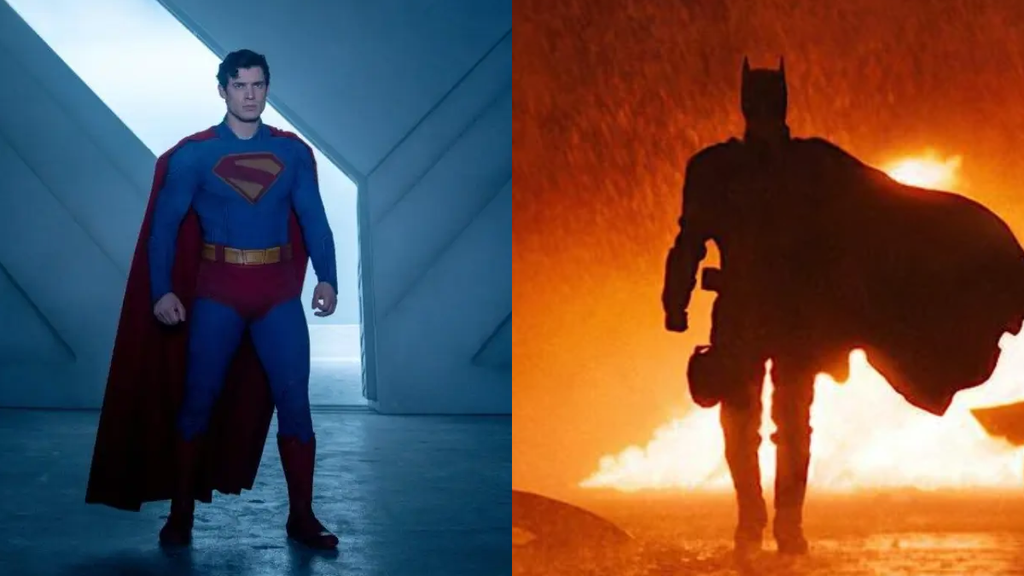
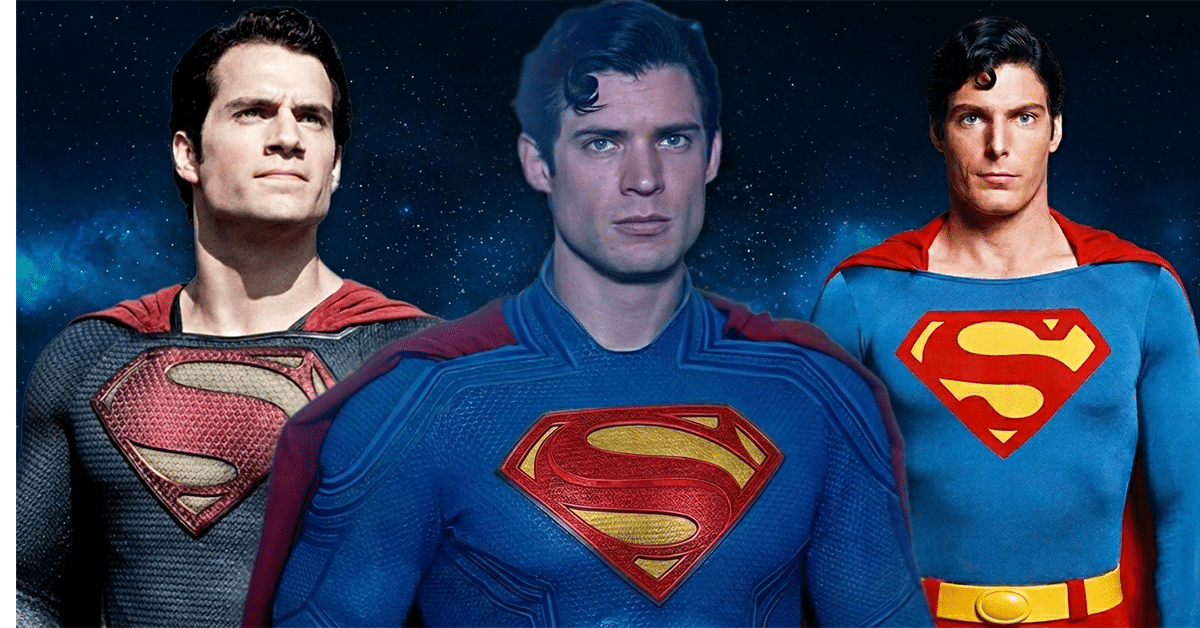
Superman: Man of Tomorrow: Gunn remains locked in as writer and director for the high-stakes 2027 sequel starring David Corenswet, which is currently in post-production. Once Man of Tomorrow completes its press circuit, Gunn is expected to pursue non-DC creative projects.
The Batman: Part II: Matt Reeves’ standalone Elseworlds universe starring Robert Pattinson remains on track for its scheduled 2028 theatrical release, entirely shielded from the mainline DCU realignment.
Can DC Out-Marvel Marvel?
Images via DC Studios / Marvel Studios / Walt Disney Studios
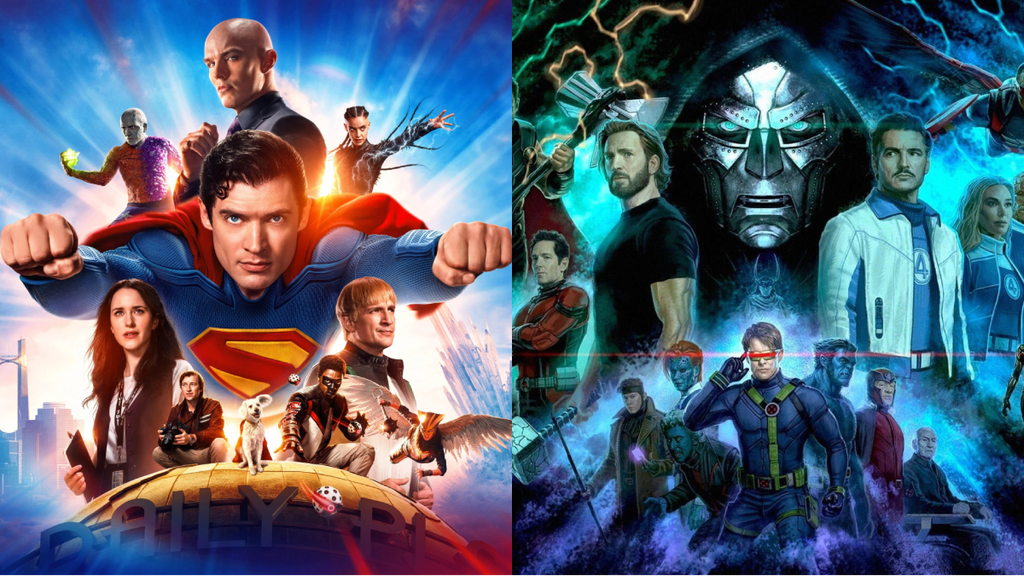
Warner Bros. historically struggled with its DC properties due to a lack of long-term vision, reactionary corporate mandates, and sudden creative shifts. Gunn’s tenure brought creative freedom, but his preference for auteur, director-driven side stories meant the universe lacked a cohesive, mainstream spine.
Now, bringing in an MCU veteran creates a fascinating paradox. While Latcham possesses the blueprint to build a structured, interconnected universe around Batman, Wonder Woman, the Flash, and Green Lantern, DC risks alienating fans if the brand loses the dark, auteur edge that made films like Clayface stand out.
DC may not surpass Marvel’s peak box office records, but under Skydance, a disciplined, character-first strategy could finally give the studio stable, multi-billion-dollar theatrical footprint.
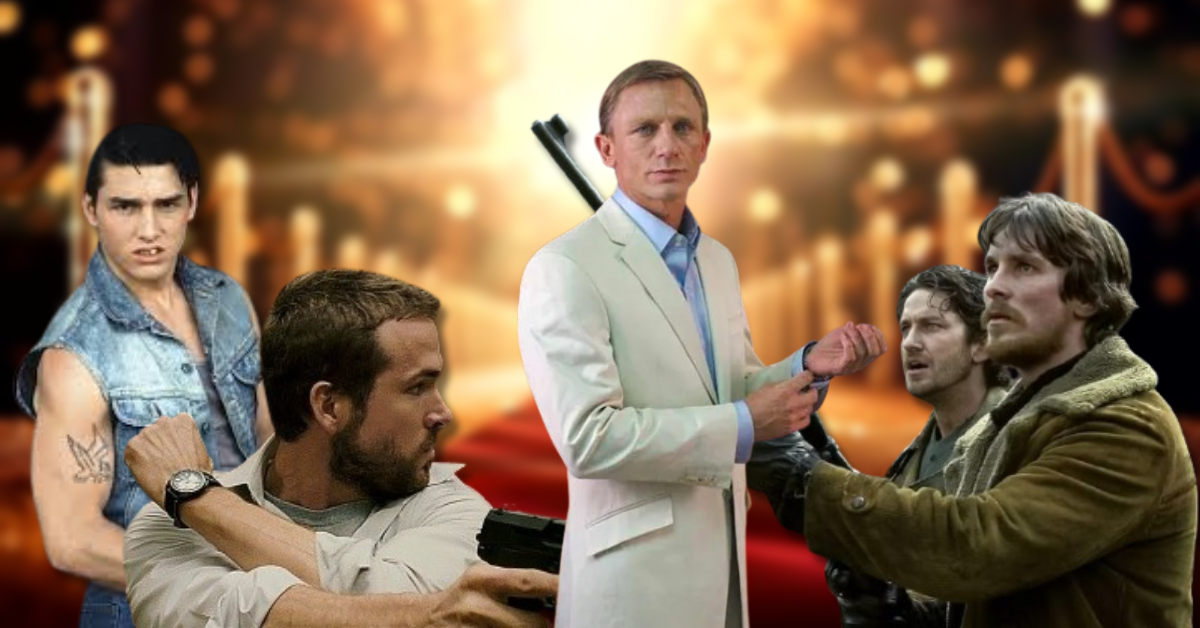
How mid-budget genre cinema and distinct directorial visions initially reshaped the modern superhero landscape.
The Verdict
Skydance replacing James Gunn and Peter Safran with Jeremy Latcham marks an undeniable course correction. The era of experimental, derivative side-projects is coming to a close in favor of a structured, A-list superhero pipeline built for massive global reach.
Whether Latcham reboots the universe entirely or builds upon the foundation left by Gunn’s Superman remains to be seen. But one thing is clear: under new Skydance management, DC Studios is done taking small risks.
🍿 Flicksnpop Reader Poll
Do you support Skydance replacing James Gunn with Marvel veteran Jeremy Latcham to focus on A-list heroes, or will DC lose its unique creative identity by adopting the MCU formula? Sound off in the comments below!
Written by Paco Chanona
Paco Chanona is a filmmaker, screenwriter, and founder of Flicks n Pop. A Vancouver Film School alumnus with over 14 years in media production across Canada and Mexico, he covers film analysis, studio box office trends, and industry news.