For many people in the audience, movies just don’t feel like they used to. Yes, we still have massive cinematic events like superhero films and blockbuster action rides, but the core quality has noticeably decreased. A lot of this has to do with the fact that even though our technology is “better”—and our movie theaters are larger, featuring louder speakers, crisper screens, and tons of digital visual effects—the worlds on screen somehow feel faker and emptier than ever before. They aren’t truly connecting with us on all levels like they used to, even when certain films manage to become massive commercial hits.
The reality is that Hollywood has confused scale with substance. Studios build convoluted, multi-film lore puzzles that demand audiences do “homework” before entering the theater, completely sacrificing the simple, elegant joy of a self-contained story. Alternatively, they engineer stories so overwrought and clinical that the audience just doesn’t care, understand, or connect with them, choosing hollow complexity over the simple, emotionally resonant stories that cinema used to tell.
The CGI Circus: Why Modern Movies Fail the Storytelling Test
Bigger is not always better—and that applies to anything in art. Historically, smaller production budgets forced filmmakers to use their raw creativity to solve problems, resulting in stories that felt intimate and actually had something vital to say. You could practically feel the hunger of the filmmakers vibrating off the celluloid. While there are still a few modern auteurs who manage to keep their creative voices intact even at a massive studio scale, the reality is that the Hollywood system now prioritizes intellectual property over artistry.
They look exclusively for brands with an established fandom, wanting to churn out an endless conveyor belt of films to maximize profits instead of focusing on telling human stories that connect with real people.
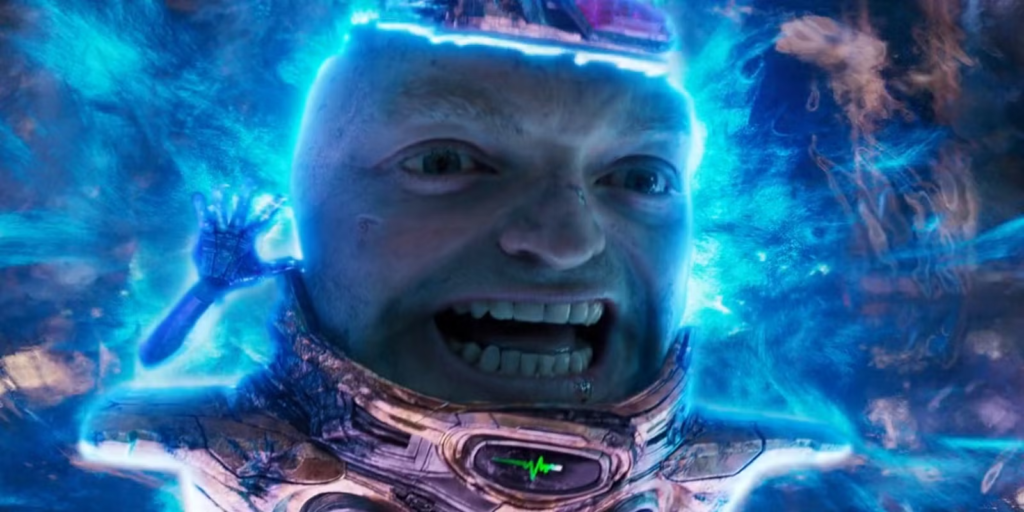
Great cinema has always been born out of limitations. When Steven Spielberg’s mechanical shark continuously broke down on the set of Jaws, he was forced to pivot and shoot from the water’s perspective, accidentally creating a masterpiece of invisible tension. Today, because computers can instantly render anything a writer puts on a page, directors no longer have to problem-solve creatively. When a movie can physically do anything visually, nothing it does carries any weight. The screen simply dissolves into a chaotic mess of pixels where stakes don’t exist.
Like always, the value of technology depends entirely on how you choose to use it. That is why the future landscape is terrifying for many of us, especially now that we are entering the era of generative AI. It looks like an even heavier reliance on CGI and automated tech is on the horizon, meaning it will depend entirely on real filmmakers to keep the actual art of film alive. This is exactly why the monumental success of recent indie breakout hits like Obsession and Backrooms matters so much right now.
The Triumph of the Micro-Budget (The Obsession Phenomenon)
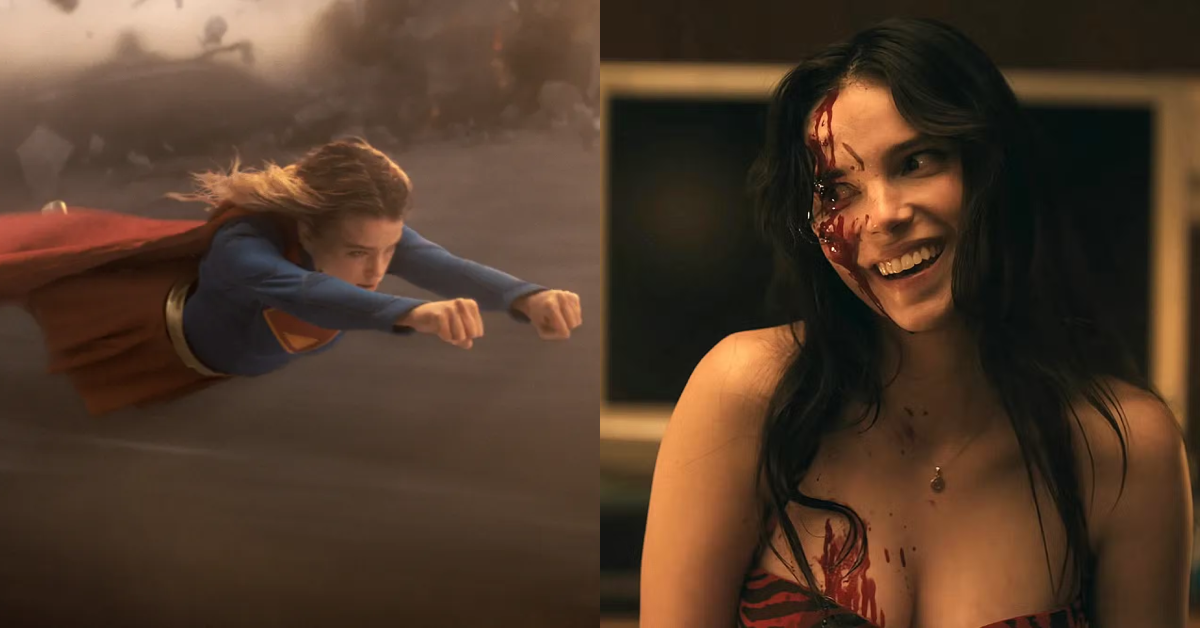
Look at the current theatrical charts. DC Studios’ Supergirl is actively struggling to take flight at the box office. It was supposed to confidently continue the momentum of James Gunn’s Superman and serve as a premier launchpad for his new DCU, but audiences are clearly growing tired of the same formulaic content. A vast majority of critics and moviegoers have noted that the film lacks a fresh perspective, suffering from a noticeable absence of genuine creative spark.
Instead of supporting bloated, exhausting, $170 million studio failures, audiences across generations are actively rallying behind the historic success of Curry Barker’s Obsession.
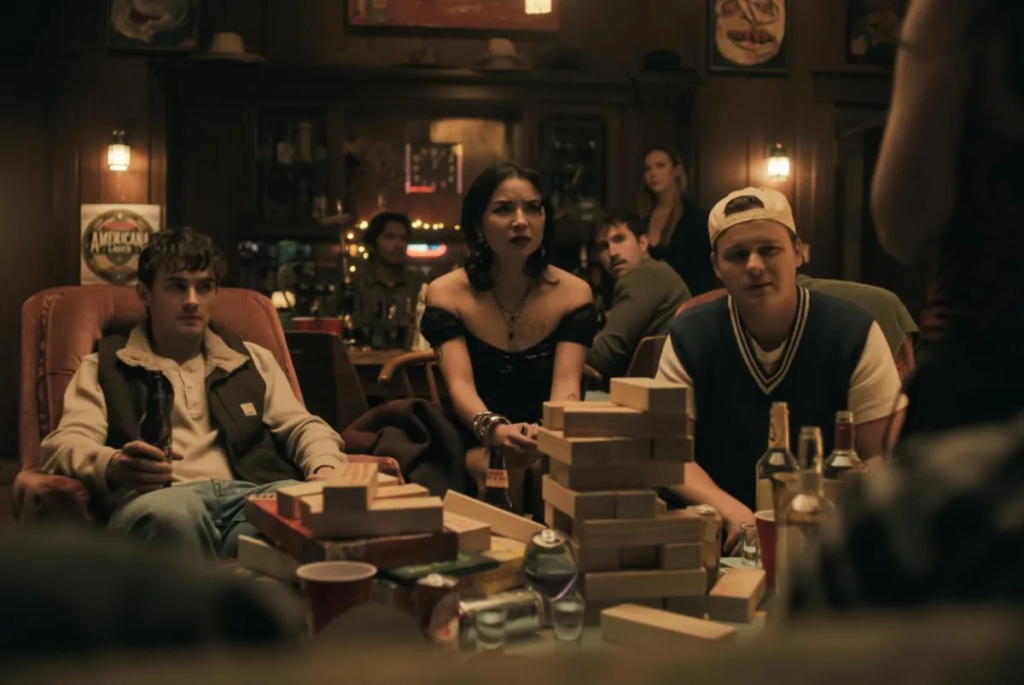
Obsession didn’t rely on a massive VFX budget; it succeeded because it possessed a terrifyingly simple hook, a relentless atmosphere, sharp editorial pacing, and raw, deeply committed performances. It treats the viewer with respect, letting the psychological tension breathe inside the frame instead of cutting every 1.5 seconds to a digital explosion. It proves that human beings still fundamentally crave focused storytelling over hollow spectacle.
And even when internet outliers tried to dismiss it as an overhyped, viral anomaly, almost everyone who actually buys a ticket walks out agreeing that it is a phenomenal piece of cinema. It proves that even in this corporate era, there are still auteurs with original ideas who have something important to say. More importantly, it proves that these types of films aren’t allergic to making money. Produced on a shoestring budget of less than $1 million, Barker’s horror masterpiece has officially crossed a staggering $400 million worldwide, establishing itself as one of the single greatest underdog successes in independent box office history.
Conclusion: A Return to the Script
The incredible theatrical runs of Obsession and Kane Parsons’ Backrooms this summer aren’t a fluke—they represent an internal defense mechanism of the art form itself. Audiences are actively voting with their wallets for simplicity, focus, and genuine human creativity.
This doesn’t mean that every single independent film is destined to become a massive hit, or that an “original” idea is automatically superior to a big-budget production. It just means—at least for me—that the physical scale of your movie doesn’t matter. What matters is whether a film is crafted with love, dedication, and a great story that resonates with the audience, rather than functioning as an artificially manufactured corporate product designed solely to extract cash.
What do you think of Hollywood movies these days? Or are you more of an indie film fan? Let us know in the comments!