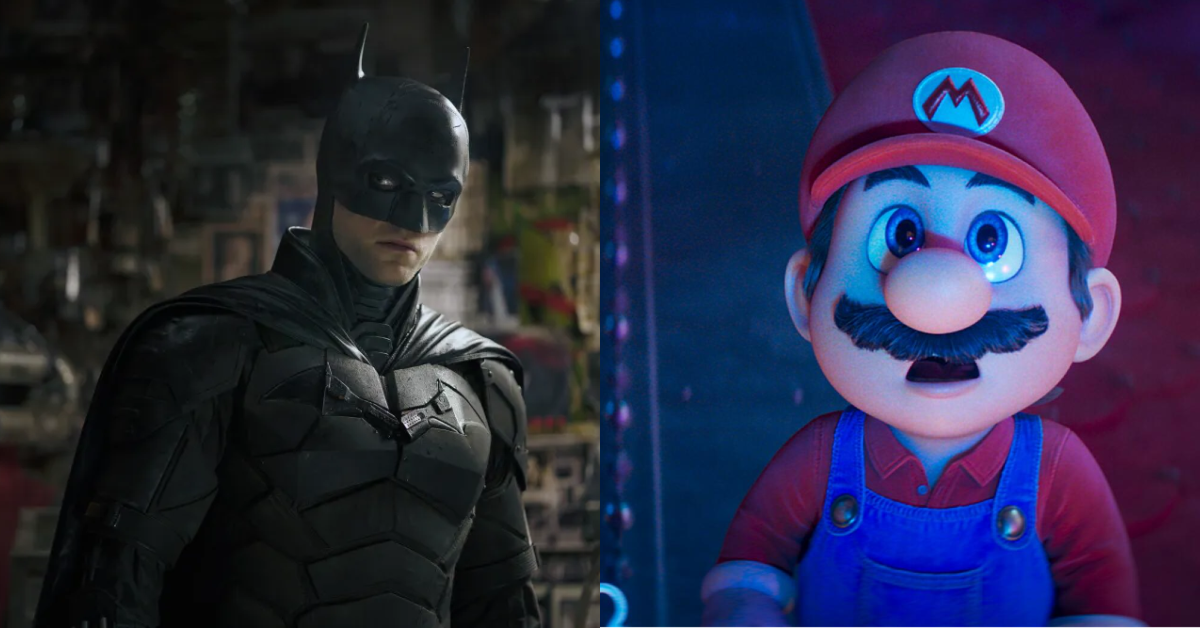
For nearly two decades, the Marvel and DC playbooks were the absolute, unshakeable law of Tinseltown. If a studio executive wanted a guaranteed billion-dollar opening weekend, they simply bought up the rights to a comic book property. But according to Mattson Tomlin, the co-writer currently penning Robert Pattinson’s return in The Batman Part II, that golden era has officially reached its final chapter.
Tomlin sent shockwaves through the industry this week by revealing that Hollywood has quietly shifted from being “comic book obsessed to video game obsessed.” The smoking gun? Tomlin noted that his own inbox is currently packed with five times more offers to adapt video games than comic book superheroes.
While Marvel remains a dominating force at the box office with upcoming juggernauts like Spider-Man: Brand New Day and Avengers: Doomsday, and DC is aggressively reclaiming its territory under James Gunn’s new leadership, the narrative landscape has fundamentally pivoted. The video game adaptation is no longer a cheap gimmick—it is Hollywood’s new economic foundation.
The Director’s Insight: The Flicksnpop Counter-Angle
1. Siphoning Active Audiences Over Passive Observers
Why is this massive paradigm shift happening right now? From a director’s perspective, it comes down to the mechanics of active versus passive world-building. Comic books are an incredible medium, but they inherently require the reader to consume text and static imagery passively.
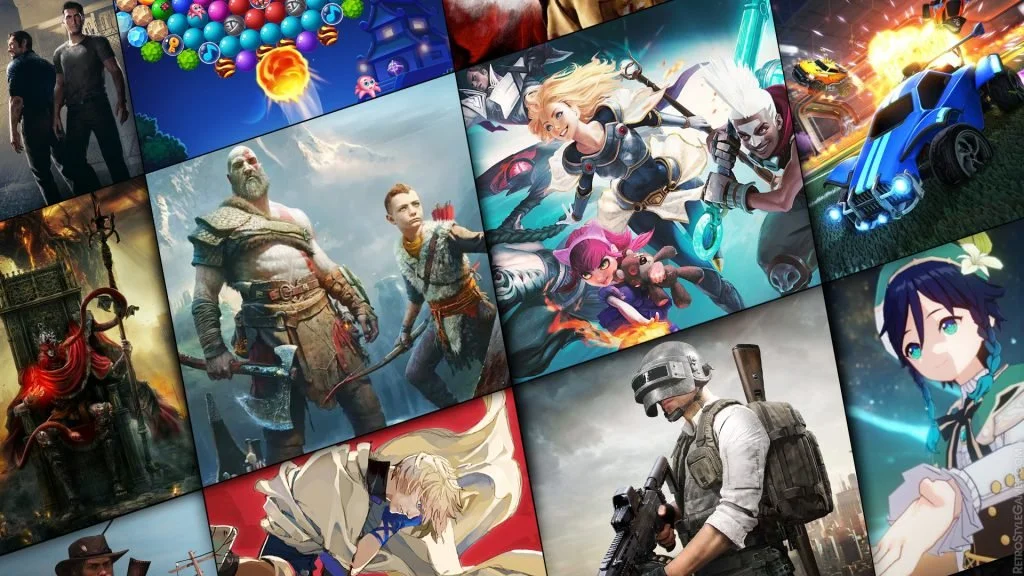
Video games, conversely, demand hours of intense psychological investment, muscle memory, and emotional agency. When a player spends eighty hours navigating the dark fantasy landscapes of FromSoftware’s Elden Ring, their connection to that intellectual property is profoundly intimate. They didn’t just watch the story; they survived it.
Hollywood isn’t just buying scripts anymore; they are buying built-in, fiercely loyal ecosystems. Furthermore, gaming has eclipsed the film industry in total global revenue. With younger generations prioritizing interactive media over traditional text, an adaptation executed with genuine cinematic care can generate billions—as evidenced by the historic run of the Sonic the Hedgehog franchise and the first Minecraft film.
2. The New Wave of Prestige Auteurs Stepping Up
The ultimate proof of this structural evolution isn’t just family-friendly blockbusters like The Super Mario Galaxy Movie crossing the $1 billion milestone this year. The real story lies in the caliber of high-level cinematic auteurs actively migrating to the medium.
Look at current production pipelines: indie powerhouse A24 has Alex Garland actively developing a massive, prestige Elden Ring feature film. Simultaneously, Michael Sarnoski (Pig, The Death of Robin Hood) is working closely with Hideo Kojima to translate the surreal sci-fi narrative of Death Stranding to the silver screen. Directors are realizing that video game lore offers expansive, experimental, and high-concept sandboxes that strictly regimented, formulaic superhero universes can no longer provide.
The Genre Diversity Advantage
Hollywood studios naturally salivate for intellectual properties with deep, established fandoms, and right now, gaming provides the most fertile soil. A massive competitive advantage video games hold over comic books is raw genre diversity. While comic books span multiple genres, the cinematic adaptation market has historically flattened them entirely into superhero origin stories.
Video games, on the other hand, offer a limitless playground of tones:
Prestige Drama: HBO’s The Last of Us proved that interactive storytelling can win major Emmys.
High-Concept Sci-Fi: Prime Video’s massive hit Fallout captured the global cultural zeitgeist by blending pitch-black comedy with post-apocalyptic survival.
Cosmic Horror & Action: Upcoming features like Zach Cregger’s Resident Evil and the highly anticipated Street Fighter reboot show that gaming IPs can seamlessly fit into any cinematic framework.
Conclusion: The New Era of Blockbuster Cinema
Comic book movies certainly won’t disappear from theater marquees overnight, but the gold rush has permanently moved on. As Mattson Tomlin’s packed schedule proves, the modern blockbuster playbook is being written in lines of code rather than comic panels. There will undoubtedly be hits and misses as studios rush to lock down rights, but the pixelation of Hollywood is here to stay—and it is set to dominate the global box office for the next decade.
What about you? Do you think the comic book movie era is coming to an end? Are video game adaptations Hollywood’s new gold mine? Let us know in the comments!