What would happen if humanity suddenly stopped having children? Society would unravel under fear, nihilism, and desperation. That terrifying idea became the foundation of Children of Men (2006), Alfonso Cuarón’s dystopian masterwork—underappreciated at release, but now widely regarded as one of the most important sci-fi films of the 21st century.
Based loosely on P.D. James’s novel The Children of Men, the film imagines a world where no child has been born for 18 years, pushing humanity to collapse. When it premiered, it felt topical. Today, its themes—immigration, authoritarianism, political division, and societal decay—feel uncomfortably prophetic.
Despite critical praise, the movie underperformed at the box office and took years to gain the cult following and recognition it deserved.
The Story
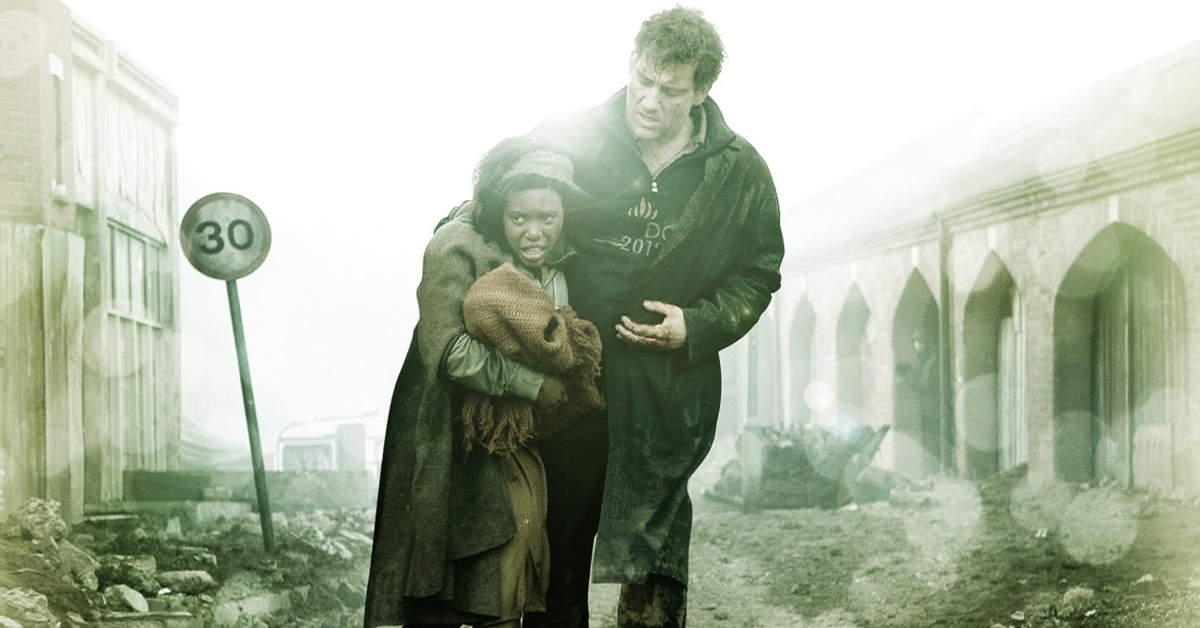
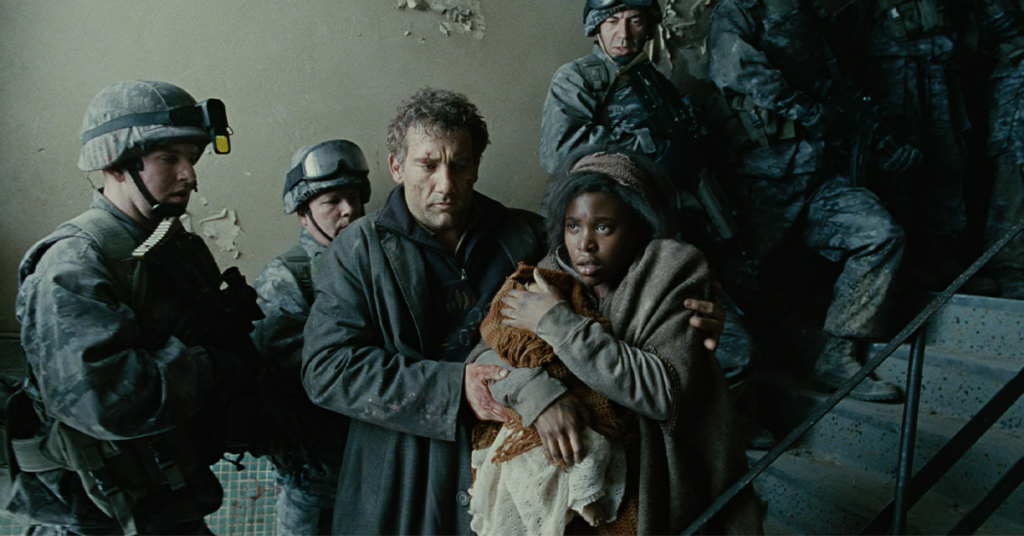
Set in 2027, the film follows Theo Faron, played brilliantly by Clive Owen, a disillusioned former activist who now works a mundane government job in a collapsing United Kingdom. The country has become a militarized fortress, brutally detaining refugees as its last desperate attempt to maintain social order.
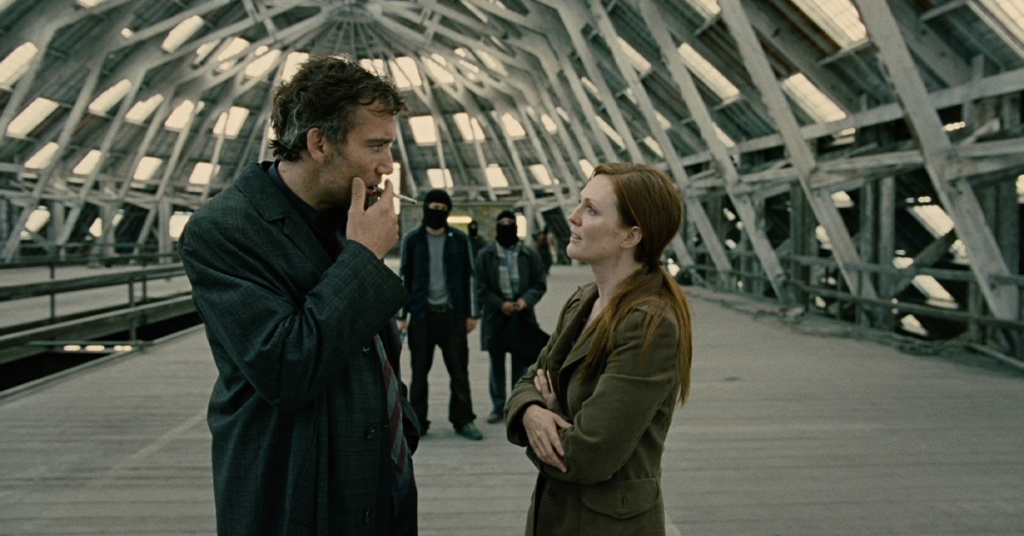
Everything changes when Theo is approached by his ex-wife (Julianne Moore), a leader of an underground resistance group. They need him to protect Kee (Clare-Hope Ashitey), a young refugee who is mysteriously—and miraculously—pregnant. Her unborn child is the first in nearly two decades, making her the world’s greatest hope… and its biggest target.
The cast is packed with standouts, including Michael Caine, Chiwetel Ejiofor, and Charlie Hunnam, each contributing to the film’s grim, textured world.
Why the Film Still Stands Out
Children of Men works on every level: as an intense thriller, a political allegory, and a deeply emotional journey.
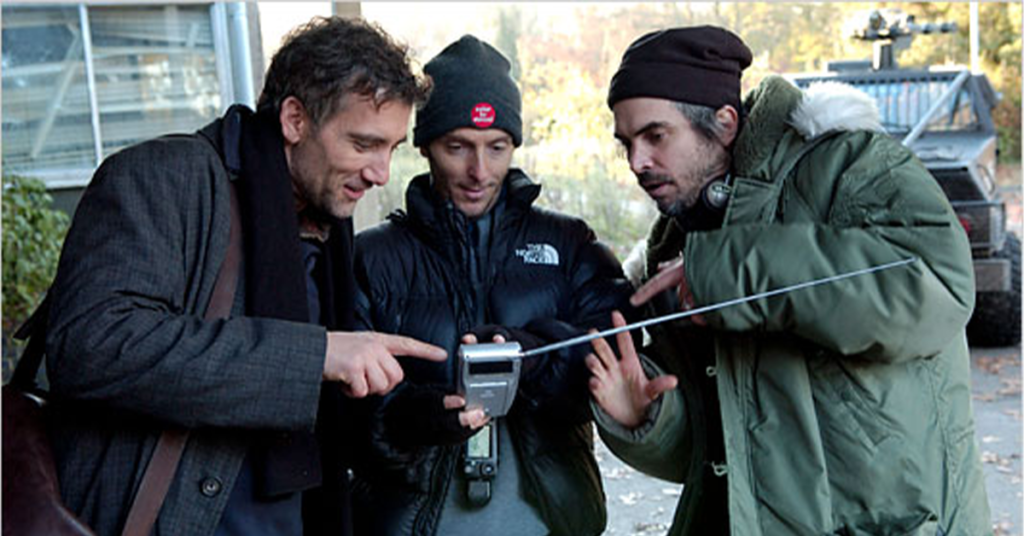
Cuarón’s direction is bold and visionary. His use of long, uninterrupted takes, handheld cinematography, and documentary-style realism creates total immersion—placing the viewer inside a world that feels frighteningly authentic. The infamous car ambush and urban battlefield sequences remain some of the most impressive shots ever captured on film.
Despite its dystopian setting, the heart of the story is timeless: ordinary people trying to protect hope in a world that has forgotten it.
Clive Owen delivers one of his finest performances—quiet, vulnerable, and heroic without ever being idealized. Michael Caine is unforgettable as Jasper, a warm, eccentric rebel living in isolation, offering a surprising dose of humanity amid the darkness.
The world-building is equally powerful. The propaganda, the refugee camps, the militarized streets—every detail feels plausible rather than exaggerated. It’s sci-fi at its most grounded.
While the film diverges significantly from P.D. James’s novel, it preserves the core message: even in the bleakest times, the possibility of future generations can revive hope.
The “Chivo” Factor: Cinematography as Immersion
From a technical standpoint, Children of Men changed the language of action cinema. The collaboration between Cuarón and cinematographer Emmanuel “Chivo” Lubezki birthed some of the most complex “oners” (long takes) in film history.
The car ambush scene and the final battlefield sequence aren’t just technical flexes; they are designed to eliminate the “safety” of the edit. By not cutting away, the director forces the audience to breathe at the same frantic pace as Theo. It’s a masterclass in how camera movement can create visceral, claustrophobic empathy.
Final Verdicton Children of Men
Bold, emotional, visually groundbreaking, and thematically rich—Children of Men is a masterpiece that grows more relevant with every passing year. Once overlooked, it now stands as one of Alfonso Cuarón’s greatest achievements and one of the most important sci-fi films ever made.
Verdict: Bleak yet hopeful, grounded yet visionary, Children of Men reminds us that even in the darkest moments, humanity can still fight for a future worth living.
Rating: A 9.3 out of 10.
Clive Owen’s weary, grounded hero in Children of Men provides a fascinating contrast to the sleek, cool professionalism Daniel Craig displayed in Layer Cake. Also, like the best episodes of Black Mirror, this film uses a ‘five-minutes-into-the-future’ setting to hold a mirror up to our current societal fears.