At the 2026 Busan International Film Festival, Oscar-winning filmmaker Alfonso Cuarón revealed the first details about his next feature project—his long-awaited return to big-screen cinema eight years after his masterwork, Roma (2018). The director confirmed he is actively writing a carefully crafted, grounded horror screenplay.
This pivot into horror is a masterstroke in industry timing. It arrives right as the theatrical marketplace absorbs the brutal fallout from Digger—the $160M+ satire starring Tom Cruise and directed by Cuarón’s close “Three Amigos” colleague, Alejandro González Iñárritu. As Digger collapses globally with a painful $20M opening weekend, Cuarón’s shift toward lean, genre-focused storytelling shows a master filmmaker who understands how to navigate modern Hollywood without falling into the “blank-check” trap.
The Genius of Auteurs Pivoting to Horror
1. Manageable Budgets & High ROI
Horror remains the single most resilient, financially sustainable genre in modern cinema. By opting for a grounded horror project, Cuarón sidesteps the astronomical break-even thresholds that plague oversized studio tentpoles. A horror film doesn’t need to generate $400 million globally just to cover its production and global marketing costs.
2. Pure Creative Expression
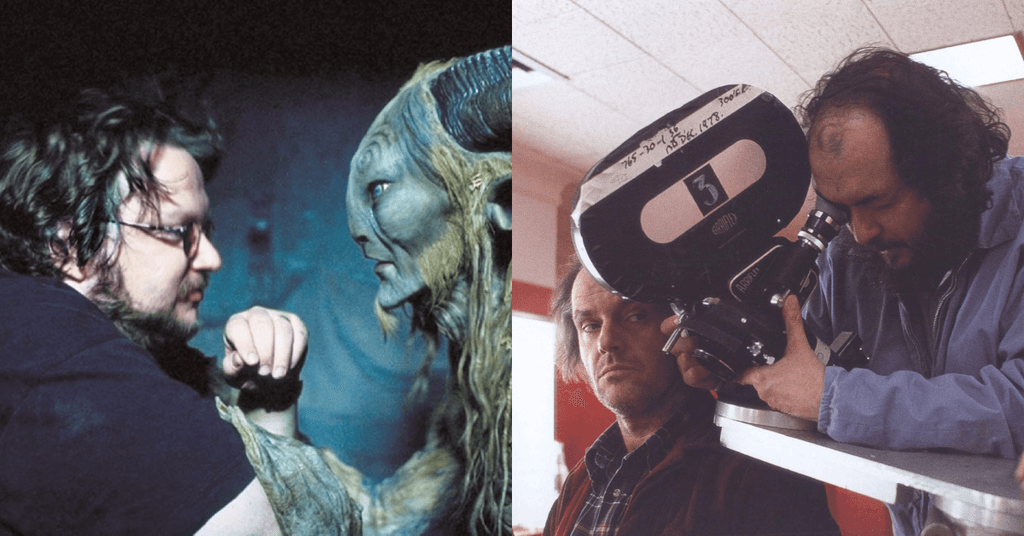
Working within a tighter, controlled budget actually grants directors more creative freedom, not less. Cinema history has repeatedly proven that horror serves as an incredible vessel for auteur expression—from Stanley Kubrick’s The Shining to Guillermo del Toro’s Pan’s Labyrinth. Rather than relying on cheap jump scares, top-tier directors use the genre to explore deep existential themes and atmospheric dread.
A horror entry isn’t a left-turn for Cuarón; it’s an evolution of what he already does best. He has always woven immense tension and dread into his work—from the terrifying, single-take set pieces in Children of Men to the unsettling atmosphere of Harry Potter and the Prisoner of Azkaban. Even Gravity was essentially a claustrophobic survival horror movie set in the cold void of space.
4. The Massive Commercial Appeal of 2026 Horror
Original horror cinema is dominating the 2026 box office landscape. Breakout hits like Weapons, Zach Cregger’s Resident Evil, Obsession, and The Backrooms have proven that when a filmmaker delivers a smart, visceral experience, audiences rush out to buy tickets.
Why ‘Digger’ Failed Where Horror Succeeds
1. Unfocused Satire vs. Clear Genre Appeal
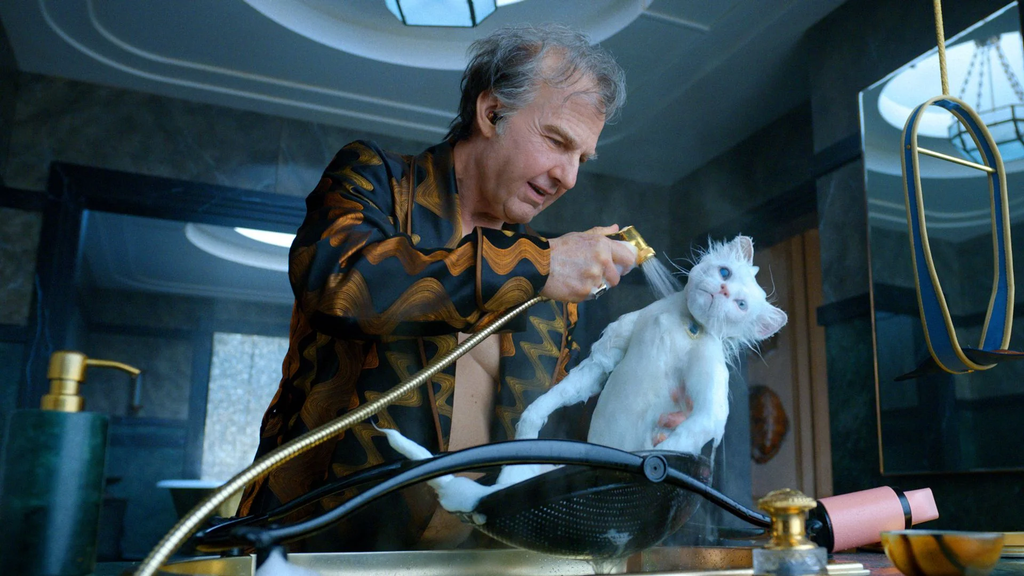
Digger stumbled because it offered casual moviegoers a confusing, eccentric oil-baron satire wrapped in misleading marketing. Horror, on the other hand, comes with a passionate, built-in theatrical fan base that actively seeks out intense, big-screen communal experiences.
2. A Cautionary Tale for Blank-Check Budgets
The catastrophic collapse of Digger serves as a stark warning to major studios. Granting $150M+ blank checks for polarizing, non-commercial satires—even when backed by an Oscar-winning director and an iconic superstar like Tom Cruise—leaves zero margin for error. As studios rethink giant-budget original bets, Cuarón’s decision to pursue a disciplined, grounded horror project ensures his creative vision won’t be compromised by studio panic.
How Warner Bros. and Tom Cruise are navigating one of the year’s biggest box office misfires.
The Verdicton Alfonso Cuarón next project
Alfonso Cuarón choosing a grounded horror story isn’t a step backward or a compromise—it is the single smartest move a veteran auteur can make in today’s cinematic landscape. It guarantees total creative control while protecting the project from the harsh financial realities that just claimed Digger.
Are you excited to see Alfonso Cuarón tackle the horror genre, or would you have preferred a massive $100M+ sci-fi epic? Let us know your thoughts in the comments below!