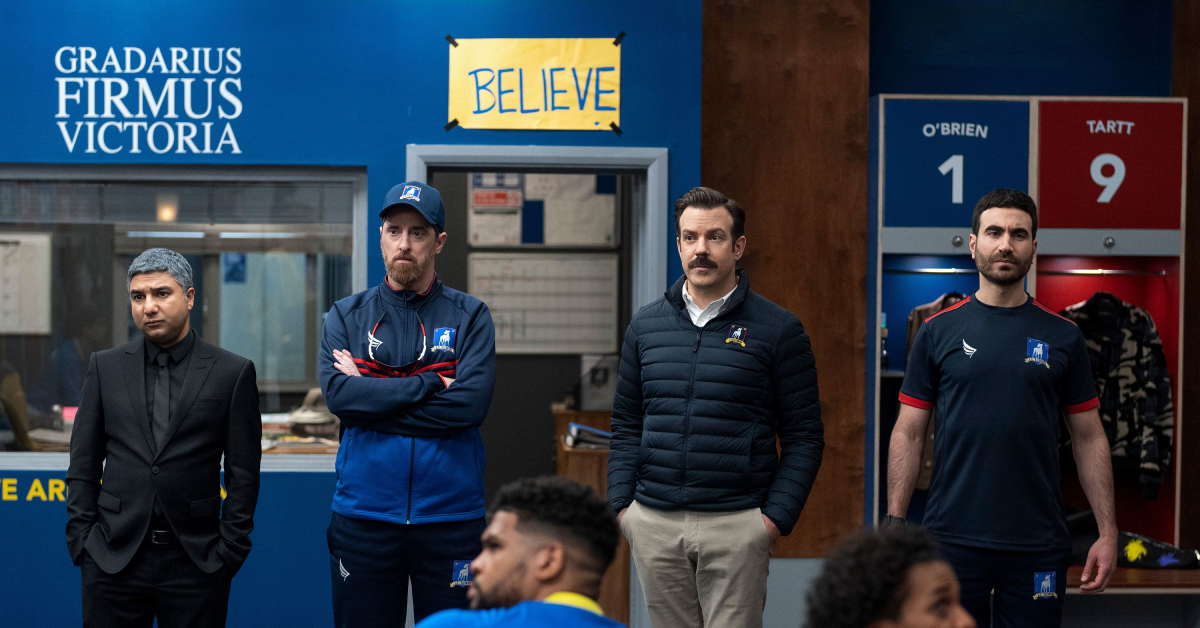
Ted Lasso is probably one of the happiest accidents to happen in modern television. What began as an unlikely sitcom adapted from a couple of NBC Sports promotional skits quickly transformed into Apple TV+’s defining flagship series.
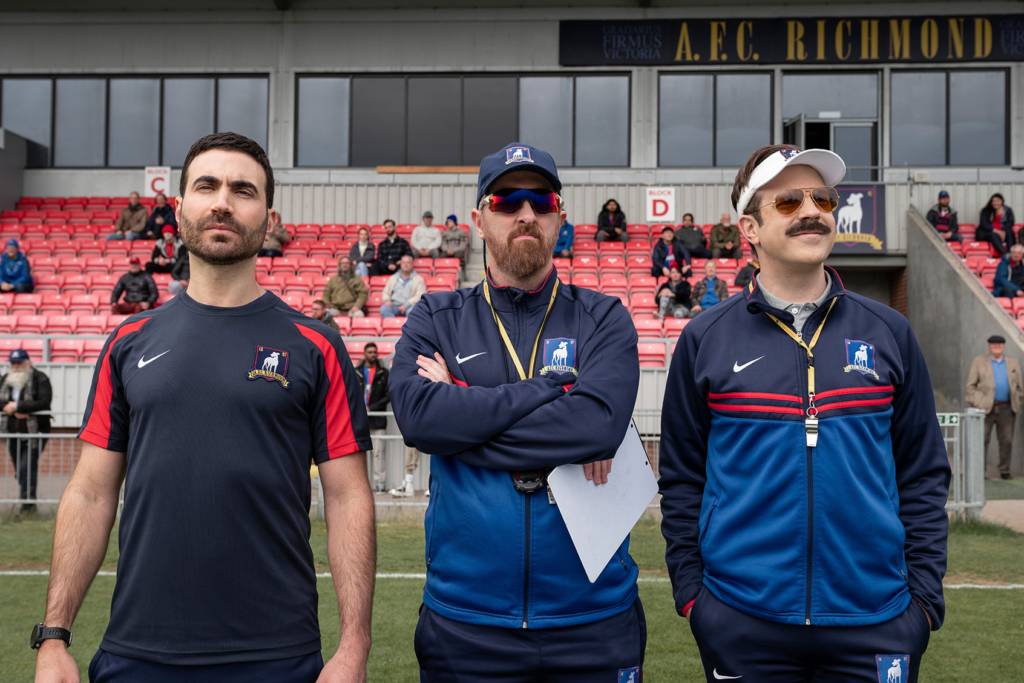
On paper, it is one of those absurd concepts that simply shouldn’t work: a basic fish-out-of-water story about an American college football coach moving to the UK to manage a struggling English Premier League soccer team, AFC Richmond. Yet, its optimistic approach, well-crafted storytelling, hyper-likable ensemble, and deep emotional resonance turned it into a runaway global phenomenon.
When the series first premiered back in 2020 during the height of the COVID-19 pandemic, the peak TV landscape was thoroughly dominated by cynical, grey, anti-hero dramas and depressing stories. Ted Lasso arrived as the exact cultural antidote audiences desperately needed. It delivered a narrative built on empathy, radical optimism, and genuine charm that made you smile, while quietly inspiring you to live life to its absolute fullest.
The Director’s Insight: Writing Empathy vs. Cynicism
1. Subverting Standard Comedy Tropes
In almost any television series—whether a drama or a traditional sitcom—cynical conflict and toxic behavior usually serve as the primary fuel for the plot. Ted Lasso completely turned those standard industry tropes upside down. Instead of generating cheap laughs from mean-spirited roasts, narcissistic characters, or petty betrayals, the series derives its comedy from emotional intelligence, radical vulnerability, and subverting audience expectations.
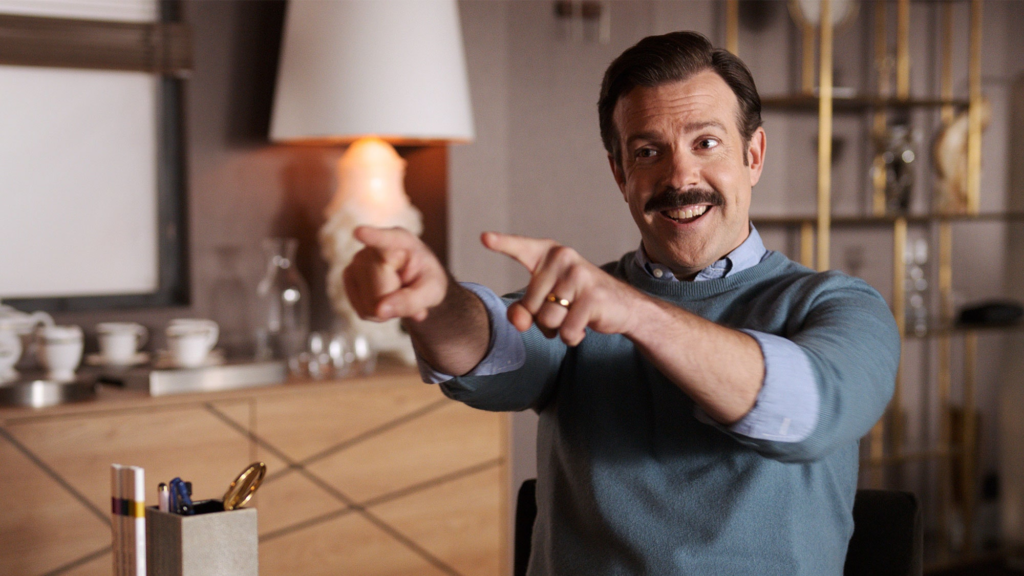
The titular character, played by a superb Jason Sudeikis, is a relentless optimist. But the brilliance of the writing lies in showing that his optimism isn’t ignorance—it’s a conscious choice. Despite carrying his own deep personal trauma and anxiety, Ted constantly seeks out the best in people and pulls it to the surface.
Look at his relationship with team owner Rebecca Welton (Hannah Waddingham). She initially hires Ted as a sabotaged pawn to destroy the club to spite her ex-husband. Instead of falling into a bitter feud, Ted’s total lack of malice and genuine kindness completely disarms her, transforming a potential antagonist into one of his closest confidantes.
Instead of generating cheap laughs from mean-spirited roasts, narcissistic characters, or petty betrayals, the series derives its comedy from emotional intelligence, radical vulnerability, and subverting standard comedy tropes—a quality it shares with the 7 Best Sitcoms Like Friends and HIMYM that rely on heart over cynicism.
2. Multi-Dimensional Ensemble Growth
The series excels at taking characters who start as flat archetypes and expanding them into rich, deeply human figures across its three-season arc.
Roy Kent (Brett Goldstein): Introduces himself as the terrifying, foul-mouthed, aging veteran nearing the end of his playing days, only to evolve into a thoughtful mentor, a devoted uncle, and a tender partner.
Jamie Tartt (Phil Dunster): Begins as a selfish, arrogant superstar bully, but gradually confronts his abusive upbringing to become a true team player and Roy’s unlikely best friend.
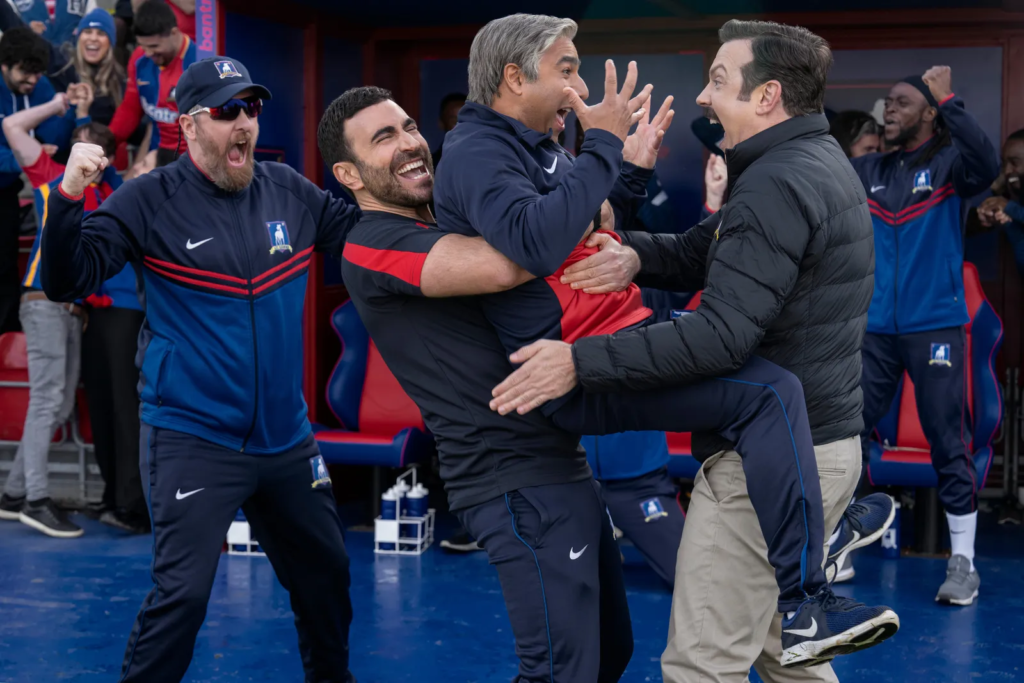
The Richmond Support System: Characters like Coach Beard, Leslie Higgins, and Keeley Jones don’t just react to Ted; they actively cultivate a culture where men are allowed to express feelings, apologize, and support one another without judgment.
The Cinematic & Ensemble Structure
Despite its origins as a short-form commercial joke, the creative team approached the show with serious cinematic ambition. As the show expanded across its three seasons, the episode runtimes stretched into 45-to-60-minute mini-movies. This structural breathing room allowed the side ensemble—from Sam Obisanya’s noble idealism to Nathan Shelley’s dark, tragic descent and eventual redemption—to hold their own independent, feature-length storylines.
Each season feels distinct in tone and focus without ever falling into repetitive sitcom loops. Season 1 establishes the culture of curiosity over judgment; Season 2 dives deep into mental health, therapy, and internal trauma; and Season 3 brings the entire journey to a deeply satisfying, narrative conclusion.
Even as Apple TV+ expands the franchise with an upcoming fourth season—shifting focus toward Ted tackling fresh adventures with a newly formed women’s team—the core trilogy stands as a complete, pristine piece of television history that never overstayed its welcome.
This structural breathing room allowed the side ensemble to hold their own independent, feature-length storylines, redefining how modern streaming platforms handle episodic pacing—much like the character-driven arcs explored in our Off Campus Prime Video Review.
The Verdict: Why It’s the Ultimate Rewatch
Here at Flicksnpop, we decided to revisit and highlight Apple TV’s Ted Lasso as discussions around its next chapter continue to build. The first three seasons represent the ultimate television comfort food.
It is a rare series that respects the viewer’s intelligence while openly wearing its heart on its sleeve. If you want a masterclass in character writing, sharp British-American comedic banters, and an optimistic story that will leave you with a genuine smile for the rest of the day, setting aside time to binge AFC Richmond’s complete journey remains one of the best viewing decisions you can make.
Here at Flicks n Pop, we give it 4.5 out of 5 stars.
What about you? Are you a fan of Ted Lasso? Are you planning to watch Season 4? Let us know in the comments!