As a director, I’m used to the “wait and see” game in Hollywood. Usually, a studio holds its breath until the premiere numbers come in before greenlighting a sequel. But HBO is doing something bolder with the Wizarding World. Yesterday, on May 6, 2026, they officially renewed the Harry Potter series for Season 2—a full seven months before the first episode even hits Max this Christmas, according to Variety.
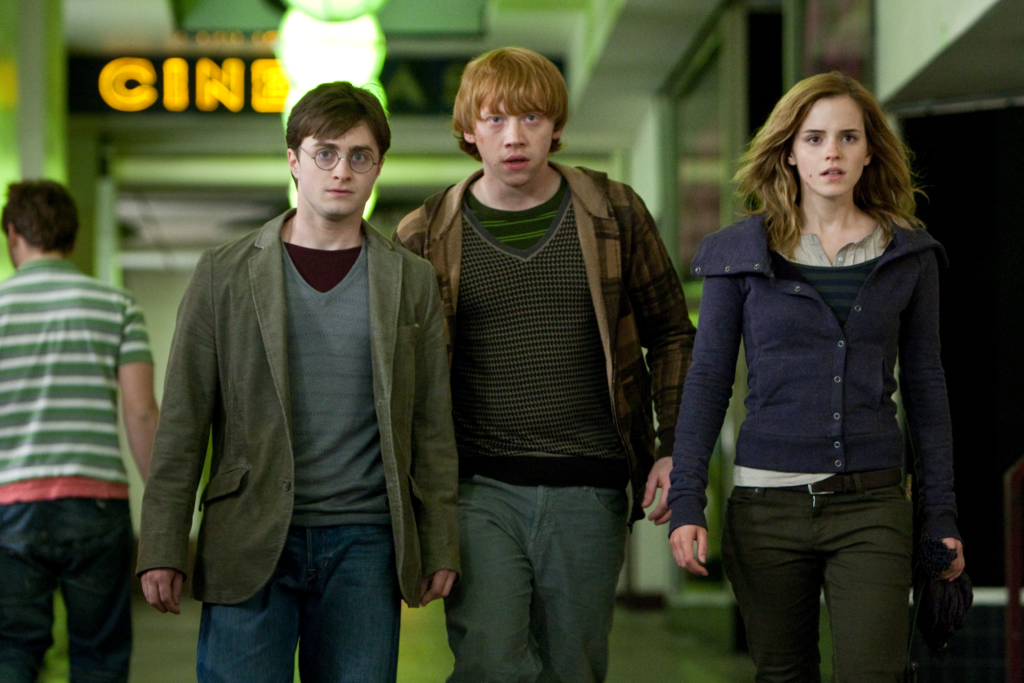
This move signals that HBO is dead-set on delivering a season per year. While we don’t yet know if they can maintain this breakneck pace for the full seven-season plan, it is a brilliant start. The original films often suffered from long hiatuses that saw the young actors outpace their characters’ ages. By the later installments, the “kids” were clearly adults, creating a disconnect between the source material and the screen.
The “Aging Out” Problem: Production as a Masterclass
The biggest flaw in the original films was the lack of back-to-back shooting. Because they didn’t overlap production, the cast’s real-life growth spurts often moved faster than the narrative timeline of Hogwarts. HBO is correcting this by starting Season 2 production this Autumn 2026—just as Season 1 wraps up post-production for its December 25 premiere.
They’ve even hired Jon Brown (Succession) as a co-showrunner alongside Francesca Gardiner specifically to manage these “overlapping schedules.” This is a production masterclass. Having a creative team that recently managed the complex, fast-paced world of Successionmeans the Wizarding World is in steady hands. We are looking at a consistent, annual return to Hogwarts every Christmas, avoiding the agonizing 2-year gaps that plague shows like Stranger Things or House of the Dragon.
The Cast: A New Generation of Wizards
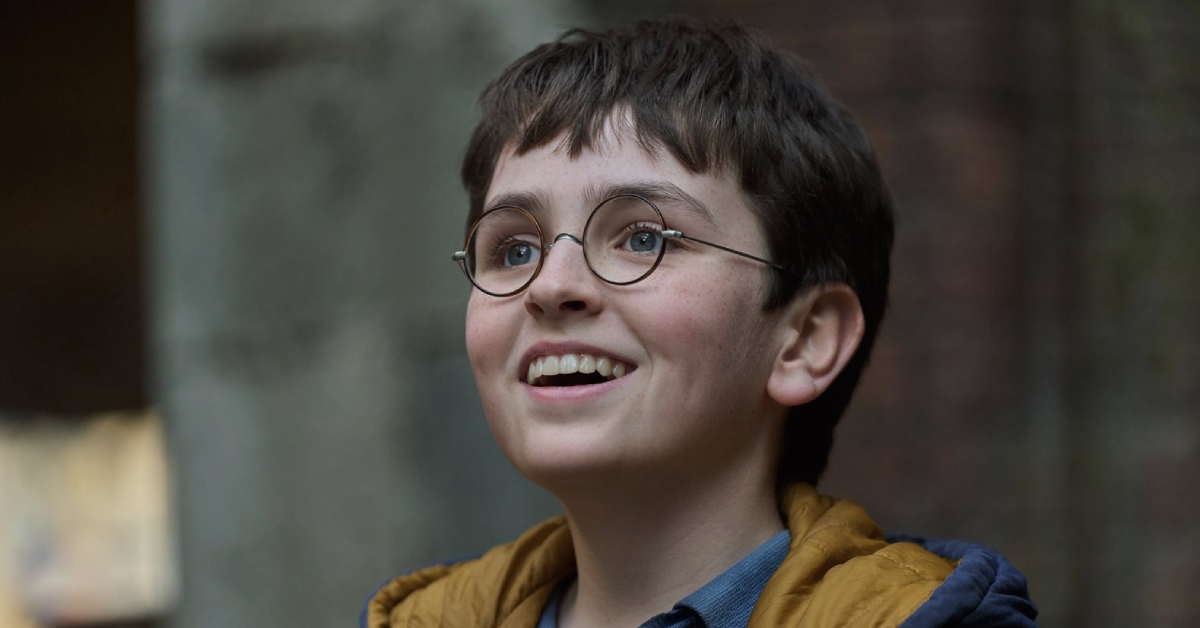
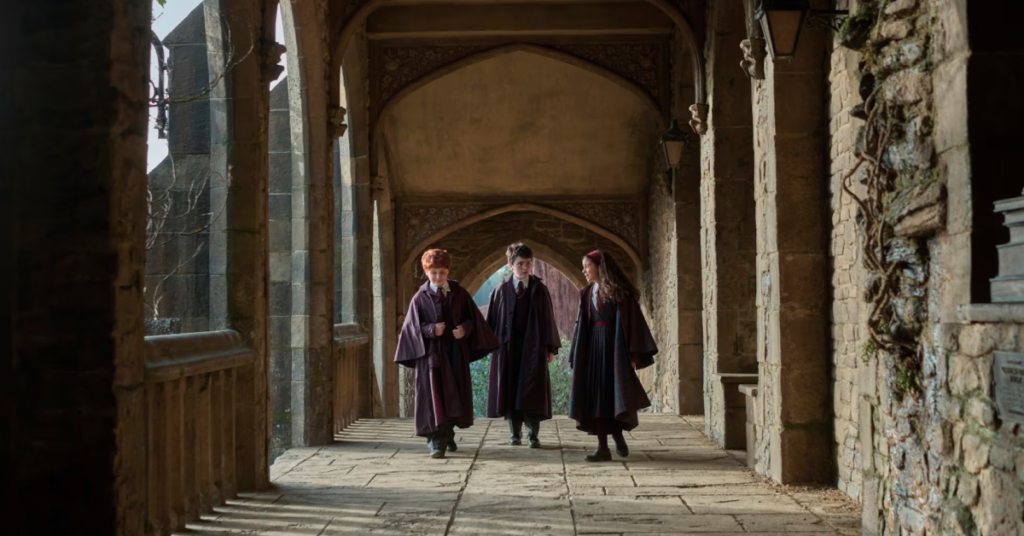
While the movies began with a similar momentum—The Philosopher’s Stone and The Chamber of Secrets were released just a year apart—the departure of director Chris Columbus slowed the machine down. With this new series, the focus is on a fresh, relatively unknown trio who will grow up alongside the audience:
Dominic McLaughlin (Harry Potter): Tasked with carrying the weight of the Boy Who Lived.
Alastair Stout (Ron Weasley): Bringing a fresh energy to the youngest Weasley brother.
Arabella Stanton (Hermione Granger): Set to redefine the brightest witch of her age for a new generation.
The adult cast is equally impressive, with John Lithgow as Albus Dumbledore and Paapa Essiedu taking on the mantle of Severus Snape. This high-caliber casting suggests that HBO isn’t just looking for “Harry Potter replacements,” but actors who can flesh out the characters over a decade-long commitment.
A More Faithful Adaptation: The “Long-Form” Advantage
If you want to know more about the technical differences between the series and the film saga, check out our recent article on the topic. So far, everything points toward a more faithful adaptation of J.K. Rowling’s books.
The biggest critique fans had of the films was how much was shortened or snubbed. Fan-favorite subplots, such as S.P.E.W., the deeper history of the Marauders, or the nuance of Peeves the Poltergeist, were left on the cutting room floor. With roughly 8 to 10 hours per book, the series has the breathing room to make these characters feel “fleshed-out” and the world feel truly lived-in.
The Christmas Strategy: Building a Holiday Tradition
By aiming for a Christmas Day premiere each year, HBO is attempting to turn Harry Potter into a holiday ritual. For a filmmaker, the “Winter Solstice” aesthetic of Hogwarts is its most marketable feature. Aligning the release with the real-world calendar creates a psychological “appointment viewing” that streaming services desperately need to maintain subscriber retention.
HBO is navigating the “overlapping schedules” to ensure that the magic doesn’t fade. History shows us that consistency is the key to longevity in a franchise. If they can stick to this annual release plan, they won’t just be retelling a story; they’ll be capturing the lightning in a bottle that the movies occasionally let slip through their fingers.
What are your thoughts on the renewal? Are you excited or skeptical about HBO’s adaptation of the Harry Potter series?