As we draw closer to the December 18, 2026 theatrical release date, the curtain is preparing to rise on what promises to be the definitive culmination of Denis Villeneuve’s sci-fi masterwork.
Following the massive critical and commercial triumphs of Dune ($407M+) and Dune: Part Two ($714M+ worldwide), Dune: Part Three isn’t simply an extension of Arrakis’ desert warfare—it is a distinct, fast-paced political thriller adapting Frank Herbert’s 1969 novel Dune Messiah.
With an official 150-minute runtime logged by rating boards and an “entirely new” score crafted by Hans Zimmer all signs point toward Villeneuve delivering a tightly wound, psychologically devastating climax to Paul Atreides’ journey.
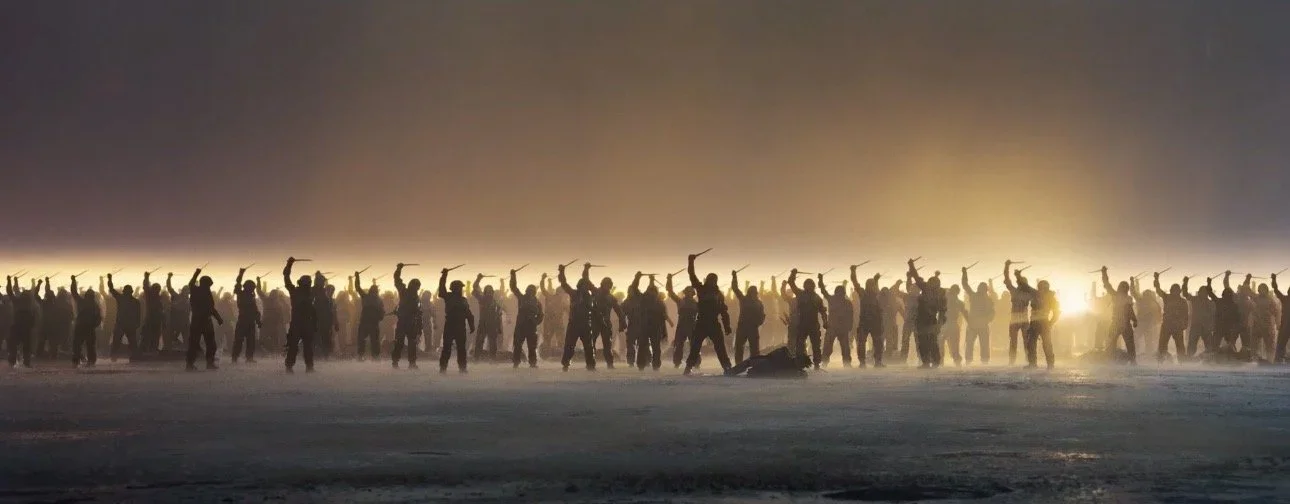
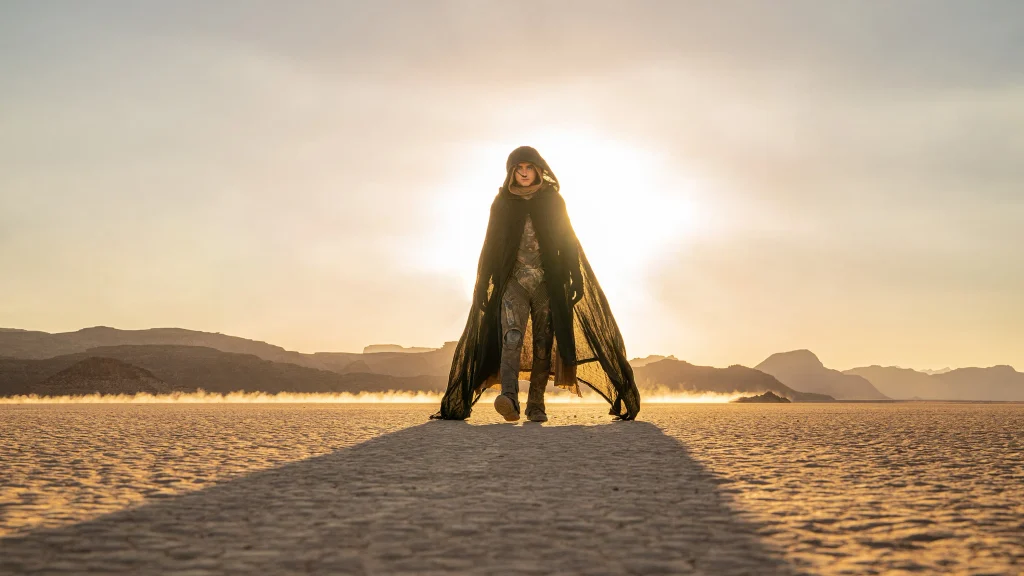
Why a ~150-Minute Runtime Means the Fastest-Paced ‘Dune’ Yet
Image via Warner Bros. Pictures / Legendary Pictures
At 2 hours and 30 minutes, Part Three will stand as the shortest film in Villeneuve’s trilogy—running 5 minutes shorter than Dune (155 minutes) and 16 minutes leaner than Dune: Part Two (166 minutes).
While the original Dune novel was a massive, sweeping epic requiring two feature-length entries to breathe, Dune Messiah is a much slimmer, more intimate story focused on internal palace coups, religious fanaticism, and secret conspiracies.
A leaner 150-minute runtime forces a breakneck pace. Rather than spending hours in open desert warfare, the film transforms Arrakis into a claustrophobic pressure cooker, compressing twelve years of Imperial rule into a tense, ticking-clock thriller.
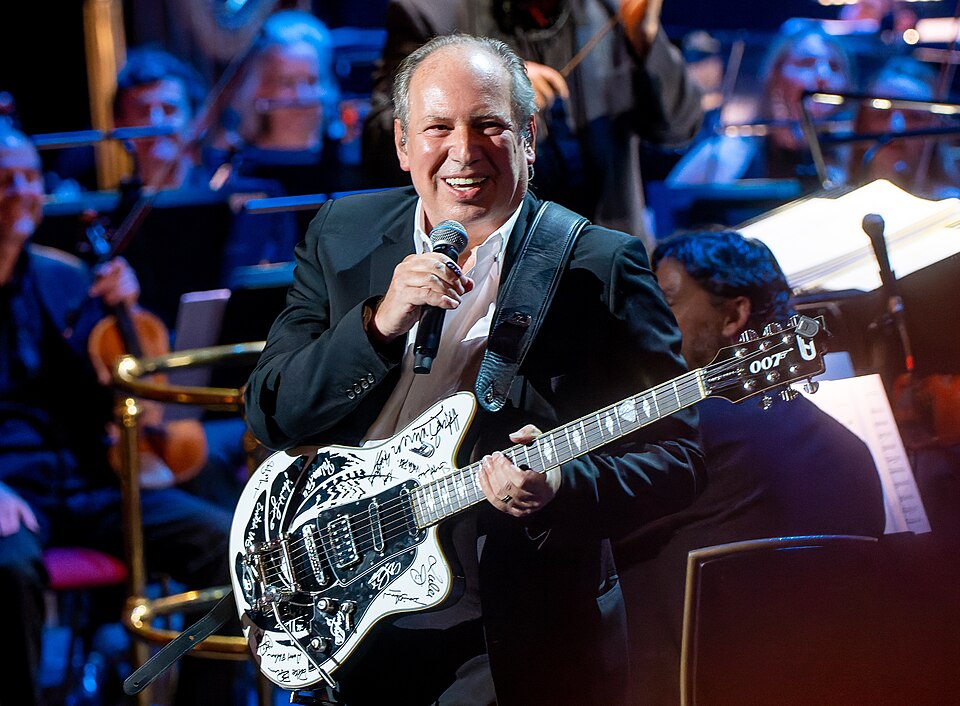
The Musical Evolution: Hans Zimmer recently revealed that the score for Part Three is practically finished, leading with the newly released teaser single “Desert Chant” (featuring vocals by Timothée Chalamet). Crucially, Zimmer confirmed the soundtrack abandons comfortable hero themes in favor of almost entirely new motifs.
The Analytical Shift: Where Zimmer’s previous Oscar-winning scores captured the vast, sacred grandeur of Arrakis and Paul’s explosive rise to power, this new soundscape pivots toward haunting psychological dread. The music shifts from celebratory war chants to unyielding sonic tension, matching Paul’s terrible realization that he is trapped by the very holy war he unleashed across the universe.
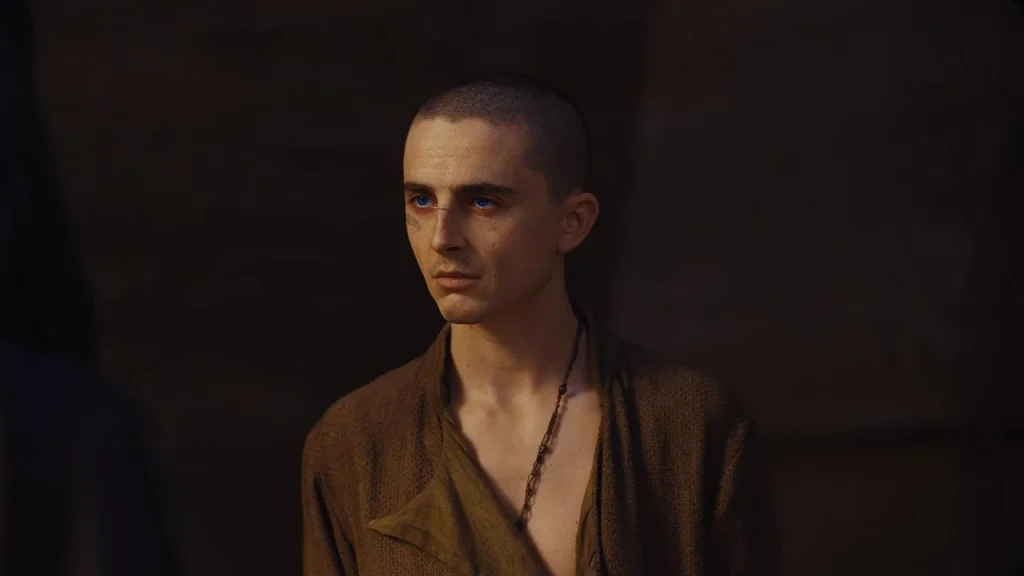
The Star Power & The Fall of Paul Atreides
Image via Warner Bros. Pictures / Legendary Pictures
Beyond the returning core triad of Timothée Chalamet (Paul Atreides), Zendaya (Chani), and Rebecca Ferguson (Lady Jessica), Part Three expands its heavyweight ensemble:
Anya Taylor-Joy & Robert Pattinson: After a brief vision cameo in Part Two, Anya Taylor-Joy steps into the spotlight as an adult Alia Atreides, while Robert Pattinson joins the saga as the shapeshifting Tleilaxu Face Dancer Scytale.
The Return of Jason Momoa:Jason Momoa returns as a resurrect Hayt/Duncan Idaho ghola, adding an emotional ghost from Paul’s past to test his resolve.
Concluding the Arc: Villeneuve has been open about his desire to fulfill Frank Herbert’s original intention: debunking the “white savior” trope. While casual moviegoers viewed Paul as a traditional hero in the first two chapters, Part Three brings his tragic arc full circle, ending modern cinema’s greatest sci-fi trilogy on an uncompromising, auteur note.
Denis Villeneuve wrapping his Dune saga at 150 minutes isn’t a compromise—it is a deliberate narrative choice that matches the sharp, paranoid spirit of Dune Messiah. Combined with Hans Zimmer’s dark, vocal-driven musical evolution and an unmatched ensemble cast, Dune: Part Three is positioning itself to be the most intense, tragic, and satisfying sci-fi finale of the decade.
Do you think a tighter 150-minute runtime is the right move for adapting ‘Dune Messiah’, or did you want an even longer epic to close out Denis Villeneuve’s trilogy? Drop your thoughts in the comments!
Written by Paco Chanona
Paco Chanona is a filmmaker, screenwriter, and founder of Flicks n Pop. A Vancouver Film School alumnus with over 14 years in media production across Canada and Mexico, he covers film analysis, studio box office trends, and industry news.