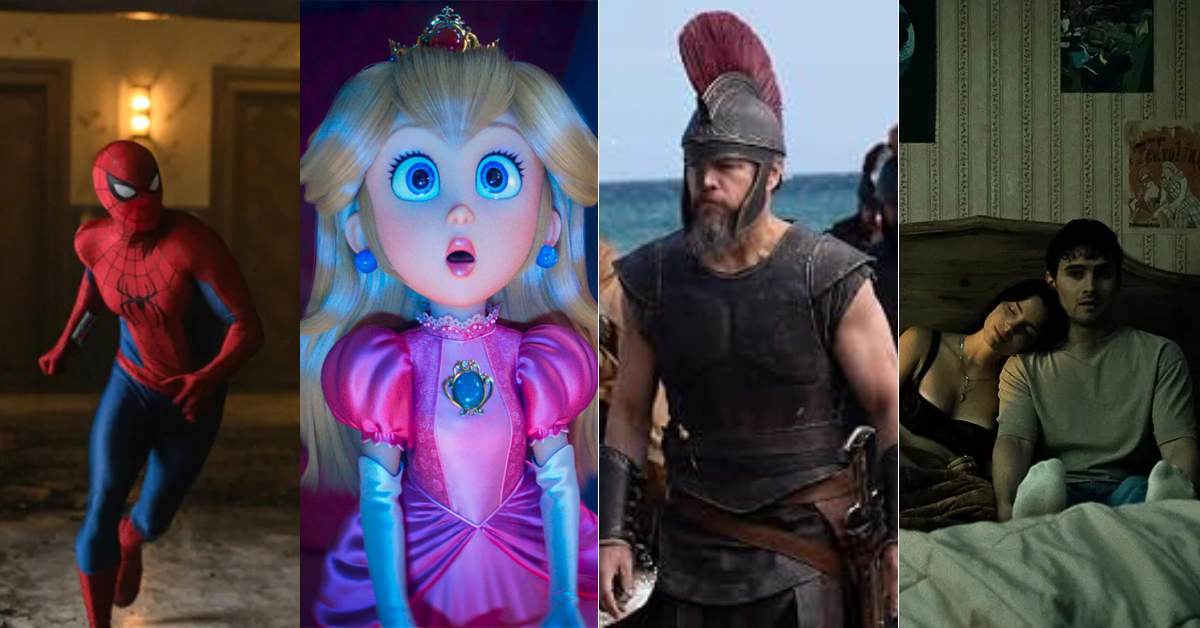
For years, a pervasive narrative haunted Hollywood boardrooms: the theatergoing habit is dead. Pundits argued that rising ticket prices, short home-streaming windows, and shifting post-pandemic consumer habits had permanently damaged the theatrical model. Industry analysts warned that the record-breaking heights of 2019—when Avengers: Endgame and a slate of billion-dollar hits dominated multiplexes—were an unrepeatable relic of the past. 2026 box office records is proving to be a different year.
Pessimists in the industry endlessly repeated that the superhero genre was dead and that audiences were experiencing irreversible franchise fatigue. But the reality was far simpler: audiences weren’t tired of going to the movies or watching comic book characters—they were simply exhausted by empty CGI spectacles and lazy, corporate mediocrity.
Then came August 2026.
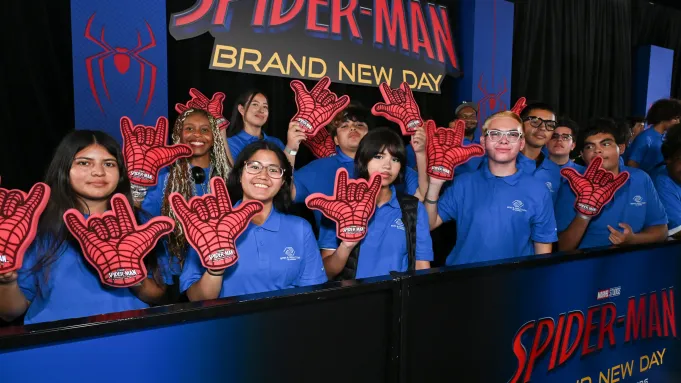
Led by the record-shattering debut of Marvel and Sony’s Spider-Man: Brand New Day alongside Christopher Nolan’s epic action fantasy The Odyssey, North American theaters just recorded the biggest collective box office weekend in cinematic history, pulling in a mind-boggling $430 million in a single three-day period.
Spider-Man: Brand New Day shocked analysts by posting a phenomenal $360 million domestic opening—officially topping Avengers: Endgame’s North American record—while rocketing past $930 million globally in its opening weekend. Meanwhile, The Odyssey pushed past $920 million worldwide, Pixar’s Toy Story 5 crossed the $1 billion threshold, and indie phenomena like The Backrooms and Curry Barker’s Obsession continue to leg out historic runs.
This sudden surge isn’t an anomaly. It is the definitive proof of a fundamental industry truth that studio executives spent half a decade ignoring: audiences didn’t stop going to the movies—they just stopped paying for mediocrity.
While these massive blockbusters have colossal budgets, they succeed because they are made with heart and genuine craft. Directors were willing to think outside the box and shoot on real locations—like Nolan building practical ships in the Mediterranean for The Odyssey—proving to Hollywood that the old-school commitment to physical filmmaking creates vastly superior movies that audiences genuinely adore over digital CGI noise.
This surge in director-driven epics continues a massive trend we explored in our breakdown of the Top 10 Book-to-Screen Adaptations Coming in 2026 & 2027, where filmmakers are given full creative license to re-imagine classic literary worlds.
The Director’s Insight
1. The Quality Filter: Why 2026 Hits Differently Than 2019
While reaching 2019’s pre-pandemic total revenue seemed impossible, 2026 is proving that audiences still love the multiplex when the film is truly worth their time and money.
To understand why 2026 is threatening historic benchmarks, look closely at the creative choices driving the momentum:
Uncompromising Auteur Vision: In 2019, the box office was propelled by sheer franchise volume and corporate dominance. In contrast, 2026’s biggest winners share a distinct creative thread: director-led artistic risk.
Grounded Character Work:Spider-Man: Brand New Day didn’t succeed simply because of iconic Marvel branding; it succeeded because critics and moviegoers are hailing it as the absolute peak of the Tom Holland era. Directorially grounded, character-focused, and emotionally raw, the film strips away multiverse gimmicks to focus on Peter Parker’s human isolation.
Pure Physical Spectacle: Christopher Nolan’s The Odyssey turned a 2,700-year-old mythic poem into a $900M+ event by relying on physical filmmaking, sync-sound 70mm IMAX cameras, and real aquatic sets rather than assembly-line post-production effects. Moviegoers consistently show up for Nolan—whether it’s The Dark Knight, Dunkirk, or Oppenheimer—because they know his name guarantees an authentic, uncompromising theatrical experience.
Indie Respect: On the indie front, films like The Backrooms and Obsession proved that original, lower-budget storytelling can command full auditoriums when a director treats the audience’s intelligence with respect.
When faced with steep ticket and concession prices, moviegoers treat theatrical outings as deliberate event choices. If a movie feels like generic “content” manufactured for a television screen, they wait for streaming. If it offers a true cinematic experience, they turn out in historic numbers.
2. Re-Engineering the Modern Blockbuster
The lessons of 2026 are already reshaping how studios approach their upcoming tentpoles. The success of this summer proves that nostalgia alone is no longer enough to print money. Audiences demanded substance, forcing Hollywood to adapt:
The Auteur Upgrade: Studios are giving visionary directors actual creative freedom rather than micromanaging projects through corporate committees.
Respecting Narrative Weight: Whether it’s the emotional sacrifice in Spider-Man or Pixar’s renewed focus on story depth in Toy Story 5, genuine narrative consequences are back.
The Event Format: Premium formats like IMAX 70mm and Dolby Cinema are no longer optional extras; they are driving a massive percentage of total opening weekend grosses.
Looking Ahead: Can 2026 Topple the Record Books?
As we highlighted in our June 2026 Movie Releases Guide, the summer slate was stacked with high-stakes releases, but only the films prioritizing story over studio formula managed to break out.
With two full quarters remaining, 2026 is primed to finish as one of the most transformative years in cinema history.
The momentum shows no signs of slowing down. This winter, Denis Villeneuve’s anticipated Dune: Part Three promises to deliver another IMAX-driven sci-fi milestone, while Marvel Studios prepares to close out the year with the release of Avengers: Doomsday. Combined with crowd-pleasers like The Super Mario Galaxy Movie, Project Hail Mary, and Jumanji: Open World, the blockbuster slate is firing on all cylinders because the stories are actually right.
Conclusion
While 2019’s all-time global totals remain a monumental high bar, 2026 is officially the strongest post-pandemic year on record. Its true legacy goes far beyond box office numbers: it proves that audiences are eager to return to movie theaters when love for the craft is up on screen.
If previous years were defined by Hollywood questioning its own future, 2026 will be remembered as the year the multiplex struck back. By discarding lazy tropes, embracing director-driven vision, and respecting the audience’s intelligence, the film industry didn’t just recover—it conquered a box office horizon once thought out of reach.
What about you? Do you think 2026 will surpass the box office numbers of 2019? Let us know in the comments section!