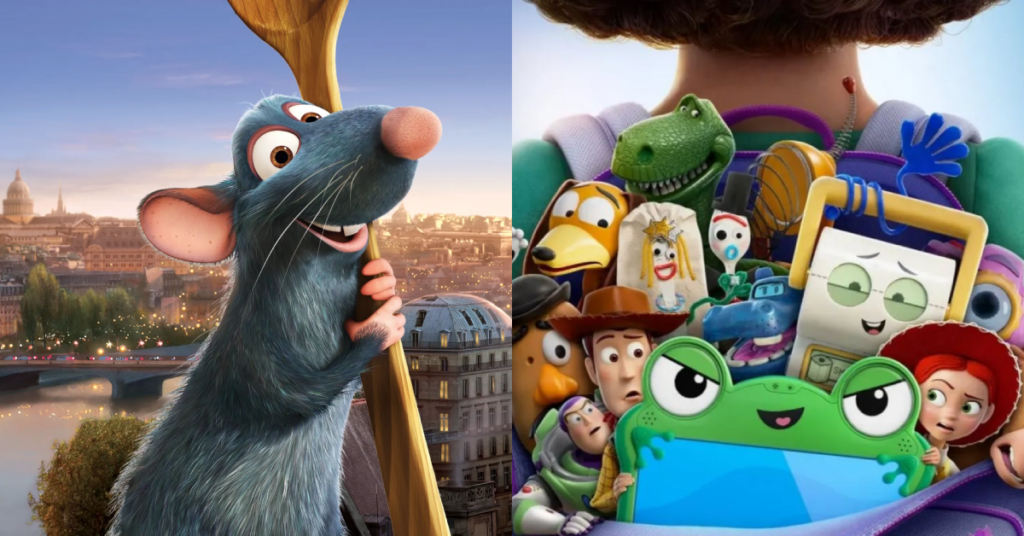
This week, corporate executives at Disney and Pixar are popping champagne as Toy Story 5 completely dominates the global box office. In its first seven days, the film has hauled in a staggering $214.6 million domestically and a massive $366.6 million worldwide. While it represents an unmitigated commercial triumph, this golden weekend simultaneously illuminates a glaring creative reality: Pixar’s modern financial survival depends almost entirely on mining its past.
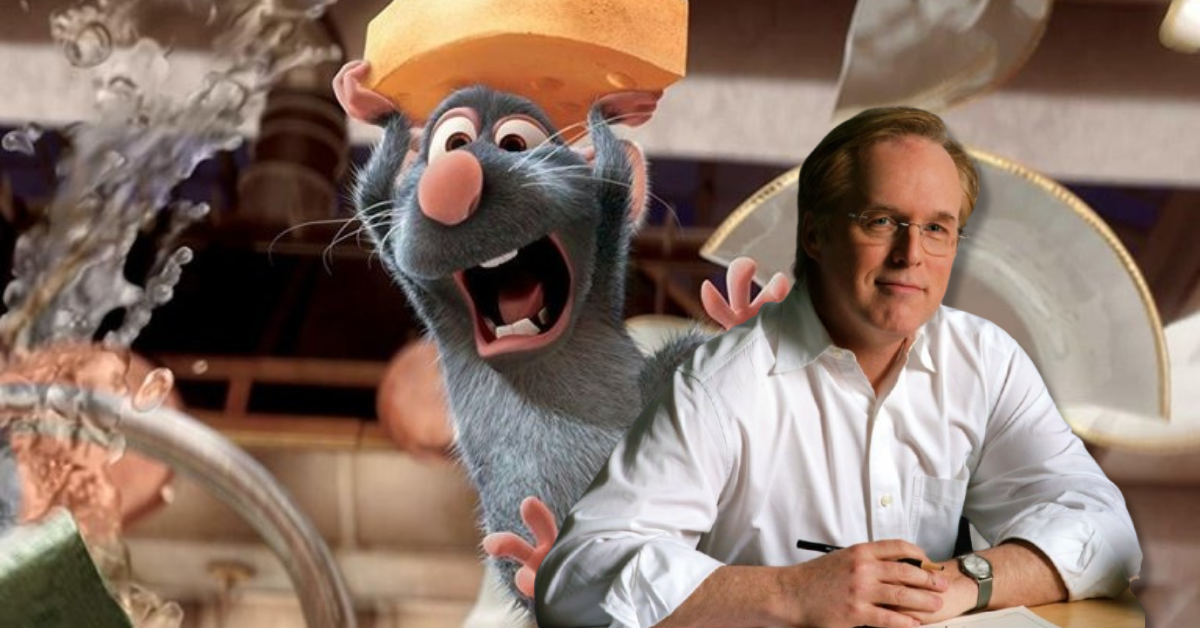
Yet, in the dead center of this franchise gold rush, Academy Award®-winning director Brad Bird has drawn a definitive line in the sand. When asked about the possibility of cooking up a Ratatouille 2, Bird revealed that despite studio leadership dropping serious hints to get him back in the kitchen, his answer remains a flat rejection: “No, we told that story.”
In an era where every single scrap of intellectual property is aggressively optimized for a trilogy or streaming spin-off, Bird’s firm stance exposes a fascinating philosophical divide at Pixar: the structural battle between concepts built to expand naturally, and the “Sacred Standalones” whose artistic perfection relies entirely on being left alone.
Is Pixar Over-Mining the Toy Box?
The brain trust at Pixar has stated for years that they will only return to the Toy Story universe if there is a profound narrative justification. While the franchise continues to secure strong reviews, a growing segment of critics and audiences believe the studio is over-monetizing its flagship brand.
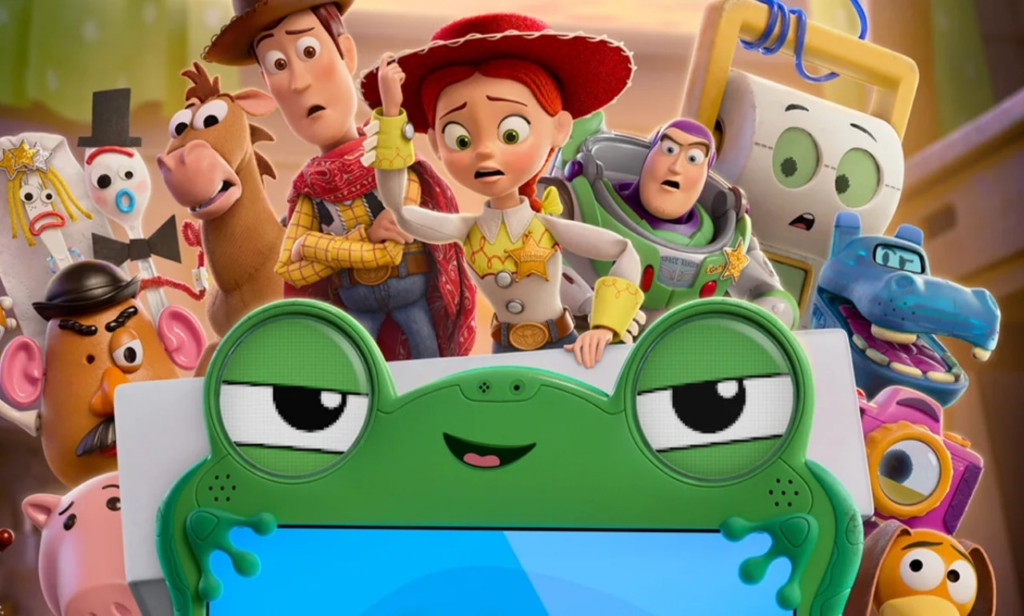
For many, the narrative arc reached an all-time pinnacle with Toy Story 3, closing out one of the greatest cinematic trilogies ever made. While Toy Story 4 managed to justify its existence through beautiful character animation, Toy Story 5 has drawn criticism for leaning on recycled plot devices. By centering the conflict on aging toys resisting modern smart-device screen addiction, the film frequently echoes the structural beats of the earlier installments, despite shifting its thematic spotlight onto Jessie. Hardcore animation enthusiasts are left wondering: when will the studio step away from the security blanket of sequels and return to the ground-breaking originality that defined its golden era?
The Filmmaker’s Insight: The Two Halves of the Pixar Catalog
1. Franchise Pipelines vs. Absolute Character Arcs
To understand why a Ratatouillesequel is a bridge too far for Brad Bird, you have to analyze how the Pixar catalog is structurally divided. On one side sits the episodic architecture built for infinite expansion. The sandbox physics of Toy Story or the expanding superhero universe of The Incredibles (with Incredibles 3 officially slated for a 2028 theatrical release) are naturally built to accommodate new chapters without breaking their foundational logic.
On the other side of the studio aisle sit the lightning-in-a-bottle masterpieces whose thematic arcs are entirely absolute. Think of WALL-E, Up, or Ratatouille.
Remy’s journey is not a standard adventure about defending a territory; it is a singular, poetic thesis on the nature of art, institutional criticism, and artistic ego. Forcing Remy back into a kitchen to navigate a secondary culinary crisis isn’t genuine storytelling—it is corporate manufacturing. Bird understands that protecting the ending of the 2007 classic is a vital directorial boundary.
2. The Iron Giant Lesson
Bird pointed out the absurdity of modern sequel culture by referencing his 1999 masterpiece The Iron Giant. Despite that film initially bombing at the box office before achieving legendary cult status over decades, people still regularly demand a second chapter.
Bird’s counter-argument is essential for the long-term health of theatrical animation: a happy resolution or a fully completed character arc should never be treated as a cliffhanger for a sequel. By intentionally keeping Ratatouille pristine, Bird protects the integrity of the original art, proving that sometimes the ultimate directorial flex in Hollywood is knowing exactly when to walk away from the table.
The Definitive Blueprint: The Franchises vs. The Standalones
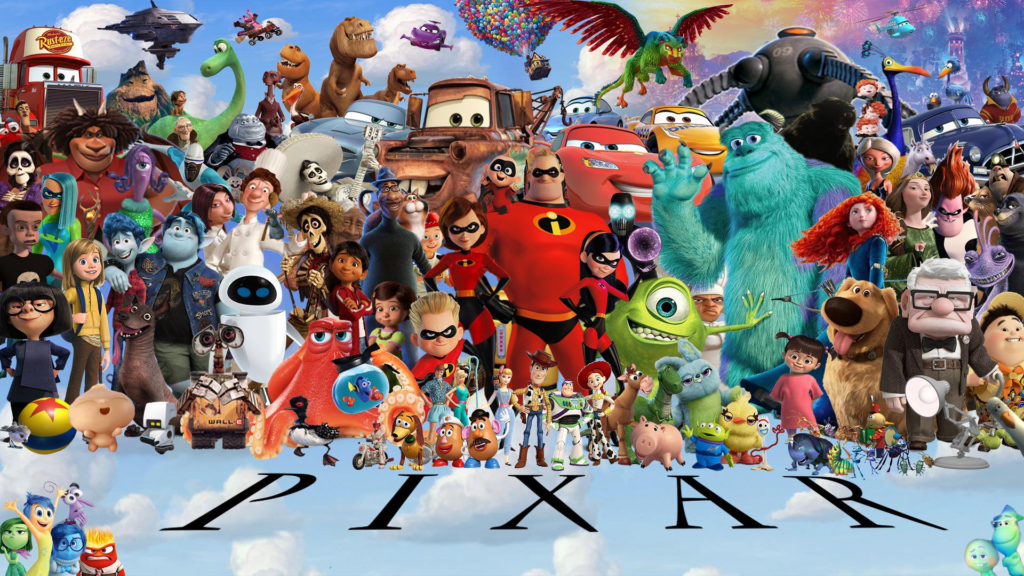
To see where Pixar’s creative priorities lie, one only has to look at how the studio treats its two distinct categories of films:
The Sequential Giants
Toy Story (5 Entries): The seminal bedrock of the studio. Despite critiques of narrative repetition, its unmatched box office pull proves that the core series remains immune to franchise fatigue, completely overshadowing the theatrical misstep of the Lightyear spin-off.
Inside Out (2 Entries): A modern powerhouse that naturally allows for growth, as the narrative engine can seamlessly evolve alongside Riley’s psychological development.
The Incredibles (Heading to 3 Entries): Often hailed as the ultimate Fantastic Four film without the official Marvel branding, its action-heavy world-building makes its upcoming 2028 sequel highly anticipated.
Monsters, Inc. & Finding Nemo (2 Entries each): Highly lucrative properties that utilized prequels (Monsters University) and perspective shifts (Finding Dory) to expand their worlds without completely overwriting the original magic.
Cars (3 Entries): While it sat on the lower tier of critical reception, its multi-billion-dollar global consumer merchandising ecosystem made a trilogy and various streaming shorts an economic necessity.
The Standalone Safeties & Financial Anomalies
A Bug’s Life (1998): Pixar’s highly underrated sophomore effort. Lacking a massive merchandising engine, the studio wisely chose to leave this charming, Kurosawa-inspired insect adventure as a complete standalone.
WALL-E (2008) & Up (2009): Two masterpieces from the studio’s peak creative run. Both remain entirely un-sequeled because their endings are so narratively conclusive that any continuation would actively damage their legacy.
Coco (2017) & Brave (2012): Culturally specific, singular folklore adventures. While a Coco follow-up remains in early developmental discussions, their strengths lie in their self-contained execution.
The Flops & Pandemic Casualties (The Good Dinosaur, Onward, Soul, Luca, Turning Red): A string of projects hit by intense production re-writes or forced directly onto Disney+ streaming during the pandemic. Lacking traditional theatrical box office revenue data to justify high-budget sequels, these original concepts are largely locked as permanent standalones.
Elemental (2023) & Elio (2025): While Elemental used stellar word-of-mouth to achieve late profitability, Elio suffered an immense box office blow, grossing just $154 million globally against a $200 million budget, permanently halting any franchise aspirations.
Hoppers (2026): Pixar’s latest original success. Pulling in over $388 million globally this spring and dominating PVOD markets, its high return on investment makes it the premier original candidate to be developed into Pixar’s next major multi-season franchise.
Conclusion
As Toy Story 5 continues to rewrite box office records, Pixar’s corporate path is clear. But Brad Bird’s refusal to dilute Ratatouille stands as a beautiful reminder of what made Pixar legendary in the first place. Some stories are meant to be infinite, but the truly great ones understand that a perfect meal doesn’t need a second helping. For more check out our June’s 2026 movie guide.
So, what about you? Are you glad Ratatouille 2 isn’t happening, or were you hoping for a sequel? Let us know in the comments!