Often described as the modern Twilight Zone, Black Mirror has built its reputation on unsettling, standalone stories that explore the darkest consequences of technology. While many episodes lean into extreme science fiction or dystopian horror, few feel as disturbingly plausible as “The Entire History of You,” the third episode of the show’s first season.
More than a decade after its release, this episode remains one of the most talked-about entries in the series—not because of shocking visuals or futuristic spectacle, but because of how uncomfortably close it feels to our current reality.
A Black Mirror Episode That Hits Close to Home
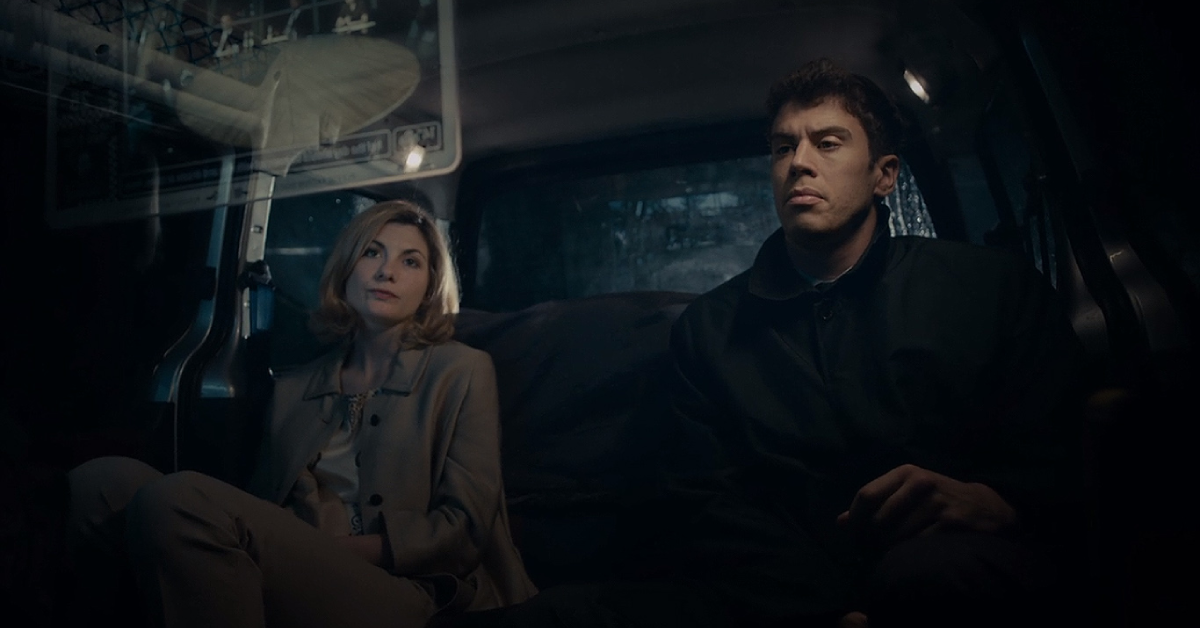
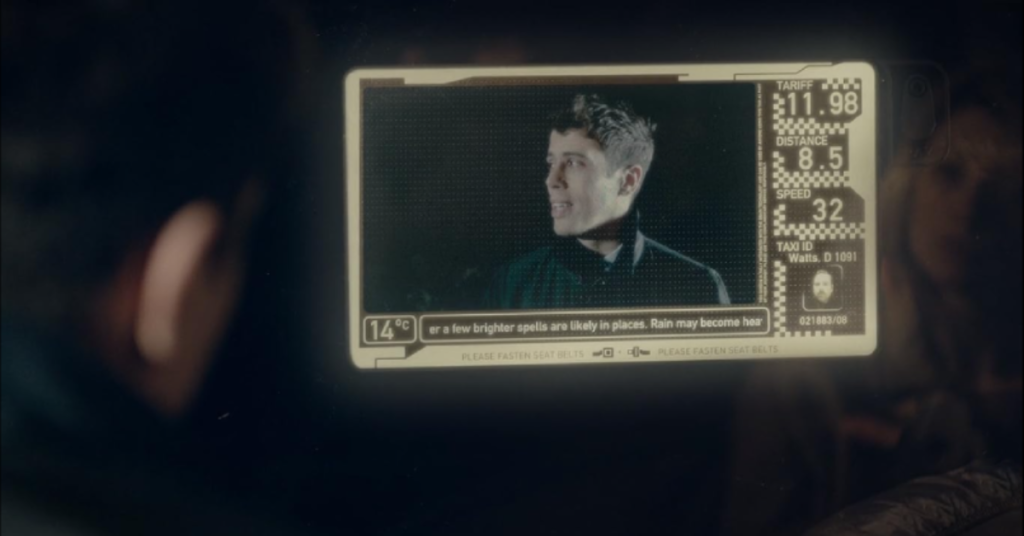
Directed by Brian Welsh and written by Jesse Armstrong, The Entire History of You stars Toby Kebbell, Jodie Whittaker, and Tom Cullen. The episode is set in a future where people use a small implant called a grain, a device that records everything they see and hear, allowing them to replay their memories at any time.
At first glance, the premise might evoke comparisons to Total Recall or other memory-based science fiction stories. However, this episode quickly proves it’s not interested in action or high-concept twists. Instead, it focuses on something far more unsettling: how perfect memory can destroy intimacy, trust, and emotional stability.
Although the story was originally designed to take place around 2050, it already feels eerily familiar. We may not have memory implants, but we constantly record our lives through smartphones, social media, cloud storage, and surveillance cameras. In many ways, we have already begun outsourcing memory to technology.
Jealousy, Obsession, and the Cost of Remembering Everything
The story follows Liam, a lawyer who attends a dinner party with his wife Ffion. After noticing her unusually affectionate interaction with an old friend, Jonas, Liam becomes consumed by suspicion. Using his grain, he begins replaying past moments—scrutinizing facial expressions, conversations, and gestures—searching for signs of betrayal.
This is where The Entire History of You truly shines.
Rather than presenting technology as an external villain, the episode shows how human flaws—jealousy, insecurity, obsession—are amplified when forgetting is no longer possible. What begins as curiosity quickly becomes compulsion, turning memory into a weapon against both others and oneself.
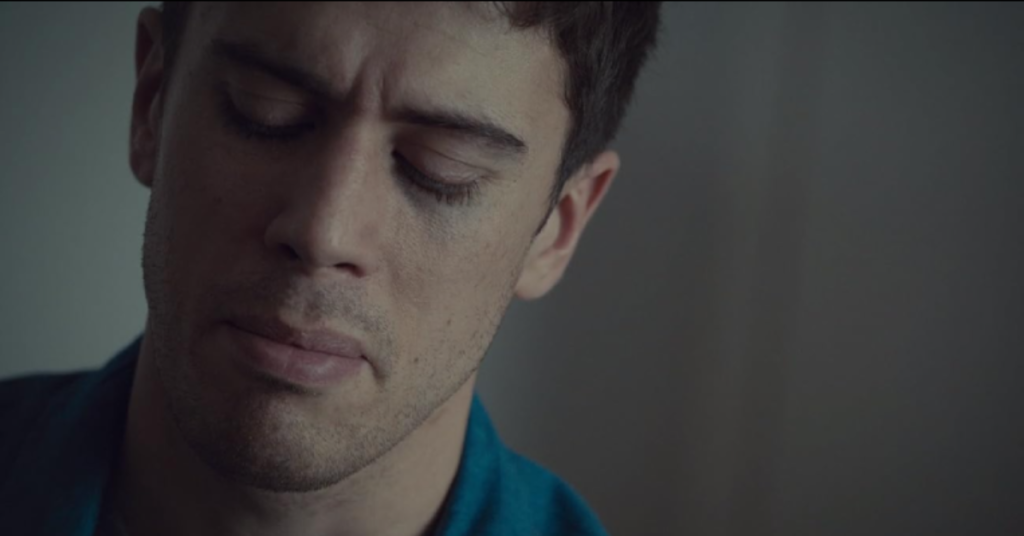
Toby Kebbell’s performance is especially powerful, capturing a slow psychological unraveling that feels painfully authentic. The emotional collapse at the center of the episode doesn’t feel exaggerated or futuristic—it feels uncomfortably real.
The Cinematic Choice: Memory as a Weapon
From a directorial perspective, Brian Welsh makes a brilliant choice in how he handles the “Re-dos” (the memory replays). Instead of using flashy holographic effects, the memories are often replayed directly in the characters’ eyes, which turn a milky, vacant white.
It’s a haunting visual metaphor: while they are looking at the past, they are completely blind to the person standing right in front of them. It turns a “superpower” into a disability, perfectly capturing the episode’s theme that perfect memory is the enemy of the present moment.
One of Black Mirror’s Most Grounded and Mature Stories
Unlike many other episodes in the series, The Entire History of You avoids satire, dark comedy, or mystery-driven storytelling. Instead, it unfolds as a tense psychological drama, driven almost entirely by character interaction and emotional fallout.
Visually, the episode reinforces this grounded approach. The production design favors stone, wood, and metal, creating a cold, minimalist world that reflects the emotional distance growing between the characters. Jesse Armstrong has stated that the episode was conceived as a story about relationships and the importance—and difficulty—of letting things go.
That thematic focus is precisely why the episode has endured.
Legacy: A Decade of Digital Scars
As we look back from 2026, the “Grain” feels less like science fiction and more like a logical evolution of our current hardware. With the recent release of Season 7, which brought back the “USS Callister” crew, fans have been debating which “classic” era episodes still hold up.
“The Entire History of You” doesn’t just hold up—it has become the blueprint for the series. While the long-rumored Robert Downey Jr. film adaptation famously stalled in “development hell” years ago, the episode’s DNA can be seen in almost every modern tech-thriller, including 2021’s I Care a Lot.
Final Verdict
The Entire History of You remains one of Black Mirror’s strongest and most relevant episodes. It may not rely on shocking imagery or traditional horror, but its implications are deeply unsettling. The episode suggests that the greatest danger of advanced technology isn’t control or surveillance—it’s what happens when we lose the ability to forget.
Verdict: As our world moves closer to constant documentation and permanent digital memory, this episode feels more prophetic than ever. For more TV Recommendations click here.
Rating: 8.5/10
A standout entry in Black Mirror and one of the best explorations of technology’s impact on human relationships in modern television.






1 thought on “The Entire History of You Review: The Black Mirror Episode That Feels Too Real”