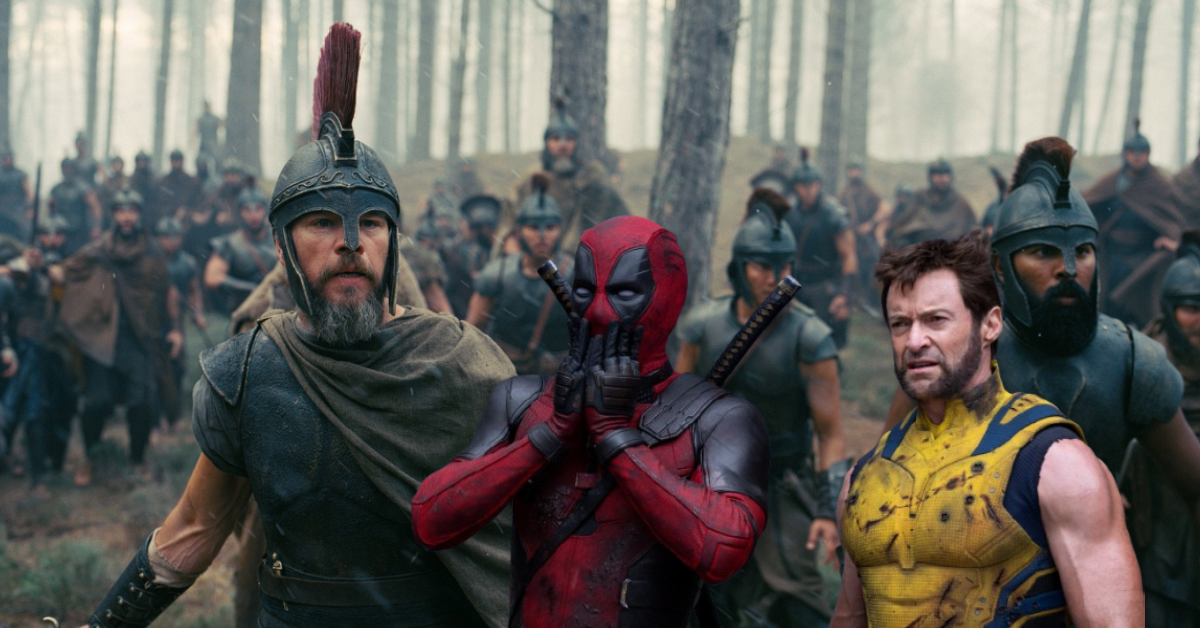
When Christopher Nolan’s The Odyssey crossed the global threshold to become the #1 highest-grossing R-rated movie in cinema history—officially surpassing Deadpool & Wolverine ($1.338 billion)—industry analysts rushed to label it as definitive proof of “superhero fatigue.” But framing this milestone merely as a decline in Marvel enthusiasm misses the real cinematic story.
Audiences aren’t tired of massive blockbusters; they are starving for auteur conviction, tangible craft, and stories told with real heart.
After all, Deadpool & Wolverine proved that an R-rated Marvel entry can easily shatter the billion-dollar mark, while Marvel and Sony’s Spider-Man: Brand New Day has smashed four-quadrant records. That is precisely what makes Nolan’s achievement with The Odyssey so historic.
Christopher Nolan is, without a doubt, one of the most prolific modern directors working today. His distinct auteur vision connects with a massive global audience that craves quality art over empty, CGI-heavy spectacles, generic scripts, and uninspired writing. This milestone demonstrates that moviegoers don’t just want recognizable brand names; they want quality, original execution, and genuine event cinema.
2026 has proven that Hollywood can thrive across every level: from big studio IP handling stories properly to epic historical spectacles crafted with an old-school artistic feel, and even micro-budget indie horror breakout hits like The Backrooms and Curry Barker’s Obsession.
The Odyssey’s Box Office Milestone: A Historic R-Rated Achievement
The Odyssey has officially pushed past $1.34 billion worldwide, taking down Deadpool & Wolverine to claim the crown as the highest-grossing R-rated film of all time.
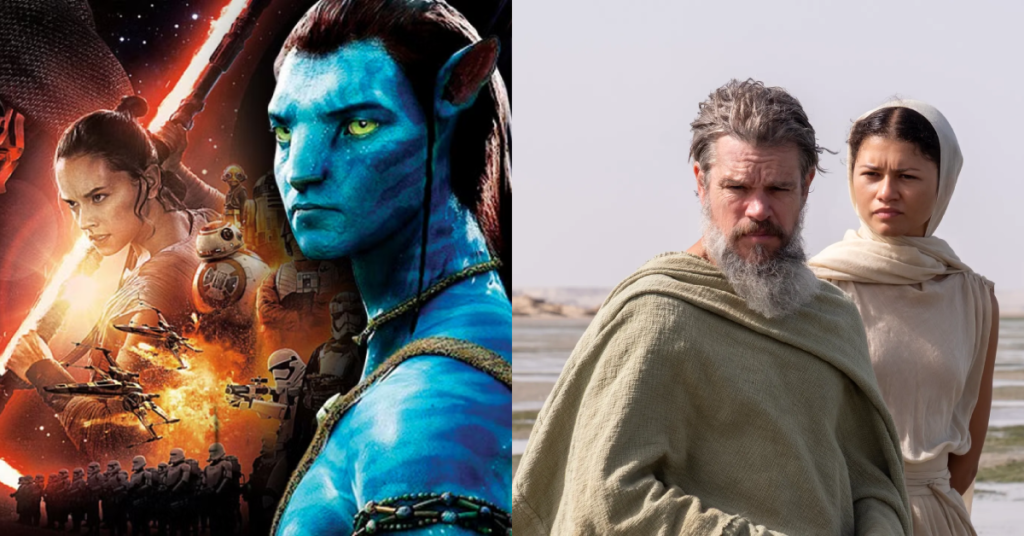
In a modern media landscape where billion-dollar runs are often treated as standard for PG-13 franchise staples—fromSpider-Man to Avatar—achieving this number with an R-rating is a monumental feat.
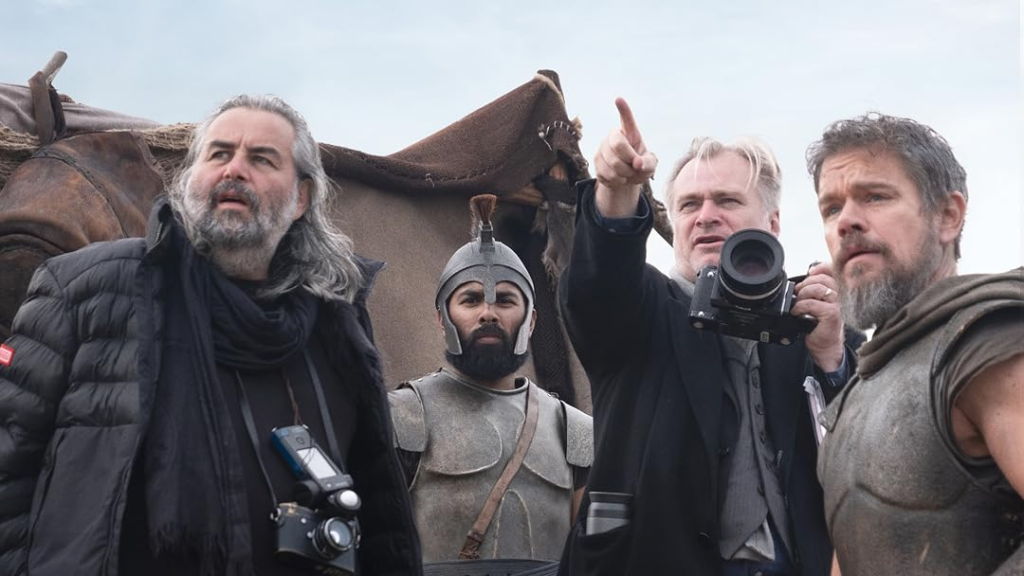
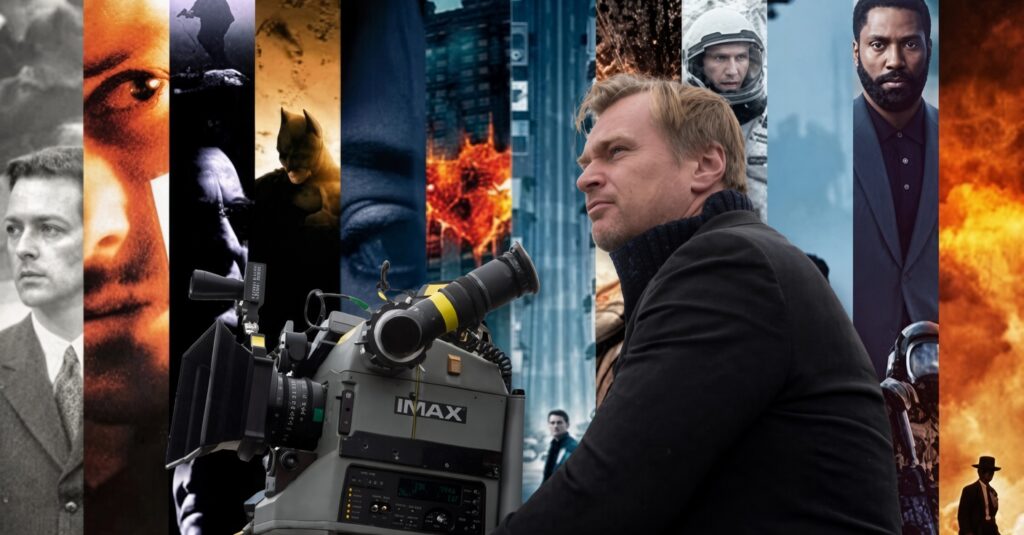
Say whatever you want about Christopher Nolan, but he remains one of the last major studio directors dedicated to keeping the physical art of cinema alive:
Physical Celluloid: Refusing digital shortcuts, he continues to shoot on physical film stock.
Practical Mastery: He insists on capturing as much as humanly possible on-camera through mechanical effects, real locations, and practical stunt work.
Format Innovations: He pushed cinematic boundaries by shooting The Odyssey entirely on custom-engineered IMAX 70mm cameras, embracing all the physical constraints that come with the format.
Nolan pulled off what felt almost impossible in 2026: a self-contained, three-hour historical-mythic epic that relies on narrative weight and visual craftsmanship rather than multiverse cameos or gag-filled comedy. Audiences are starving for true experiential cinema, and no one understands that better than Nolan. Despite early social media debates surrounding his casting choices, the sheer quality of the finished film completely silenced the noise and drove historical turnout.
Mythic Storytelling vs. Assembly-Line IP
Ever since Avengers: Endgame battled Avatar for the top spot on the all-time charts, a narrative has persisted that audiences are suffering from “superhero fatigue.” But as industry analysts and moviegoers are discovering, the issue isn’t the genre—it’s mediocrity fatigue.
In the wake of Marvel’s success, every major studio attempted to force their intellectual properties into interconnected cinematic universes. Instead of prioritizing script development and directorial vision, executives churned out prefabricated CGI battles and soulless studio templates that treated audiences like consumers rather than spectators.
That is why visionary directors are reshaping the theatrical landscape:
Christopher Nolan with The Odyssey
Denis Villeneuve with his Dune franchise
Breakout Auteurs like Curry Barker (Obsession) and Kane Parsons (The Backrooms)
Destin Daniel Cretton with Spider-Man: Brand New Day
These filmmakers understand the assignment. Movies built with genuine heart, strong scripts, and a clear reason to exist will always win at the box office.
The Nolan Paradox: Consistency as a Studio Franchise
In this evolving landscape, Christopher Nolan has successfully built the ultimate modern cinematic brand. By refusing to compromise on practical scale, thematic depth, and physical craft across Inception, Oppenheimer, and now The Odyssey, his name on a poster guarantees an event experience that streaming at home simply cannot replicate.
We saw this exact pattern with Oppenheimer. A three-hour, dialogue-heavy historical biopic—a genre studios typically write off as commercial risk—transformed into a multi-Oscar-winning global phenomenon because Nolan’s name promised an uncompromising big-screen experience. The Odyssey takes that exact brand trust and scales it to mythic proportions.
Conclusion: What Hollywood Needs to Learn
The ultimate takeaway from The Odyssey’s record-breaking run is simple: viewers want grand, immersive spectacles built with heart, craft, and directorial vision. Auteur-driven cinema isn’t dead—it is currently driving the global box office.
An incredible ensemble cast (featuring Matt Damon, Tom Holland, Anne Hathaway, Robert Pattinson, and Zendaya) and jaw-dropping visual scale certainly help, but when a director makes you care deeply about the human beings inside the story, the material ascends. 2026 is officially proving that when Hollywood respects the audience’s intelligence, the audience will show up in historic numbers.
Is Christopher Nolan one of the best modern auteur directors? Are audiences experiencing fatigue with mediocre movies? Let us know what you think in the comments!